

Give the Gift of Choice!
Too many options? Treat your friends and family to their favourite stores with a Bayshore Shopping Centre gift card, redeemable at participating retailers throughout the centre. Click below to purchase yours today!Purchase HereHome
Culinary Cinema: Appetite, Narrative, and Community Contemporary Film
Coles
Loading Inventory...
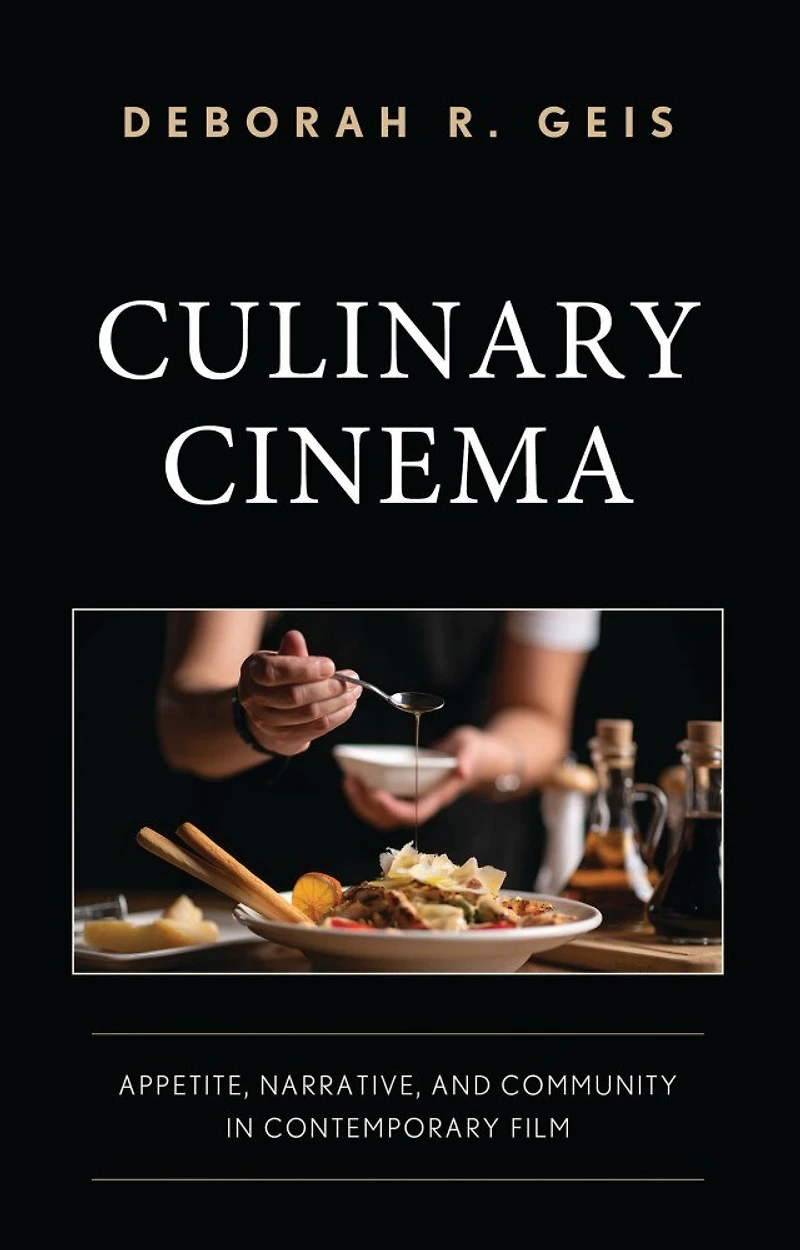
Culinary Cinema: Appetite, Narrative, and Community Contemporary Film in Ottawa, ON
Current price: $160.95

Culinary Cinema: Appetite, Narrative, and Community Contemporary Film in Ottawa, ON
Current price: $160.95
Loading Inventory...
Size: Hardcover
*Product information may vary - to confirm product availability, pricing, shipping and return information please contact Coles
In this book, Deborah Geis offers a new approach to the evolving genre of culinary films that center on the acts of eating and cooking through close analyses of ten different films. These films range from the classics, like Big Night (1996) and Babette's Feast (1987) to later box-office hits, like Chef (2014) and to films that deserve a second look, like East Side Sushi (2014), Burnt (2015), and Mid-August Lunch (2008). Throughout these analyses, the book focuses on tropes including the "big dinner" as it connects to intercultural and transcultural communities; the self-destructive perfectionism of the obsessive chef; and the craft of cooking in relation to aging and mortality. Geis invites readers and viewers to experience food-driven narrative films with an appetite for appreciating the visual ingredients and the ways in which they construct pleasure through the act of looking as a vicarious approach to consuming the actual food. Drawing on the work of film theorist Christian Metz, Geis ultimately poses a new paradigm for watching and understanding culinary cinema as a significant - and constantly-evolving - genre that comes with its own conventions and contemporary filmmakers who seek to expand and transform those conventions in surprising ways.
In this book, Deborah Geis offers a new approach to the evolving genre of culinary films that center on the acts of eating and cooking through close analyses of ten different films. These films range from the classics, like Big Night (1996) and Babette's Feast (1987) to later box-office hits, like Chef (2014) and to films that deserve a second look, like East Side Sushi (2014), Burnt (2015), and Mid-August Lunch (2008). Throughout these analyses, the book focuses on tropes including the "big dinner" as it connects to intercultural and transcultural communities; the self-destructive perfectionism of the obsessive chef; and the craft of cooking in relation to aging and mortality. Geis invites readers and viewers to experience food-driven narrative films with an appetite for appreciating the visual ingredients and the ways in which they construct pleasure through the act of looking as a vicarious approach to consuming the actual food. Drawing on the work of film theorist Christian Metz, Geis ultimately poses a new paradigm for watching and understanding culinary cinema as a significant - and constantly-evolving - genre that comes with its own conventions and contemporary filmmakers who seek to expand and transform those conventions in surprising ways.
You May Also Like















More About Coles at Bayshore Shopping Centre
Coles is renowned for its outstanding customer service and great selection of books. Along with the vast array of magazines, stationary, audio-books, children's literature, fiction, non-fiction and reference books, you can find accessories to make your reading experience more pleasurable. We can recommend the very best in reading today. We will help you search our titles for exactly what you need, and if we do not have it in stock, we will order it for you.
100 Bayshore Dr, Nepean, ON K2B 8C1, Canada
Find Coles at Bayshore Shopping Centre in Ottawa, ON
Visit Coles at Bayshore Shopping Centre in Ottawa, ON