

Give the Gift of Choice!
Too many options? Treat your friends and family to their favourite stores with a Bayshore Shopping Centre gift card, redeemable at participating retailers throughout the centre. Click below to purchase yours today!Purchase HereHome
Cultivating the City in Early Medieval Italy
Coles
Loading Inventory...
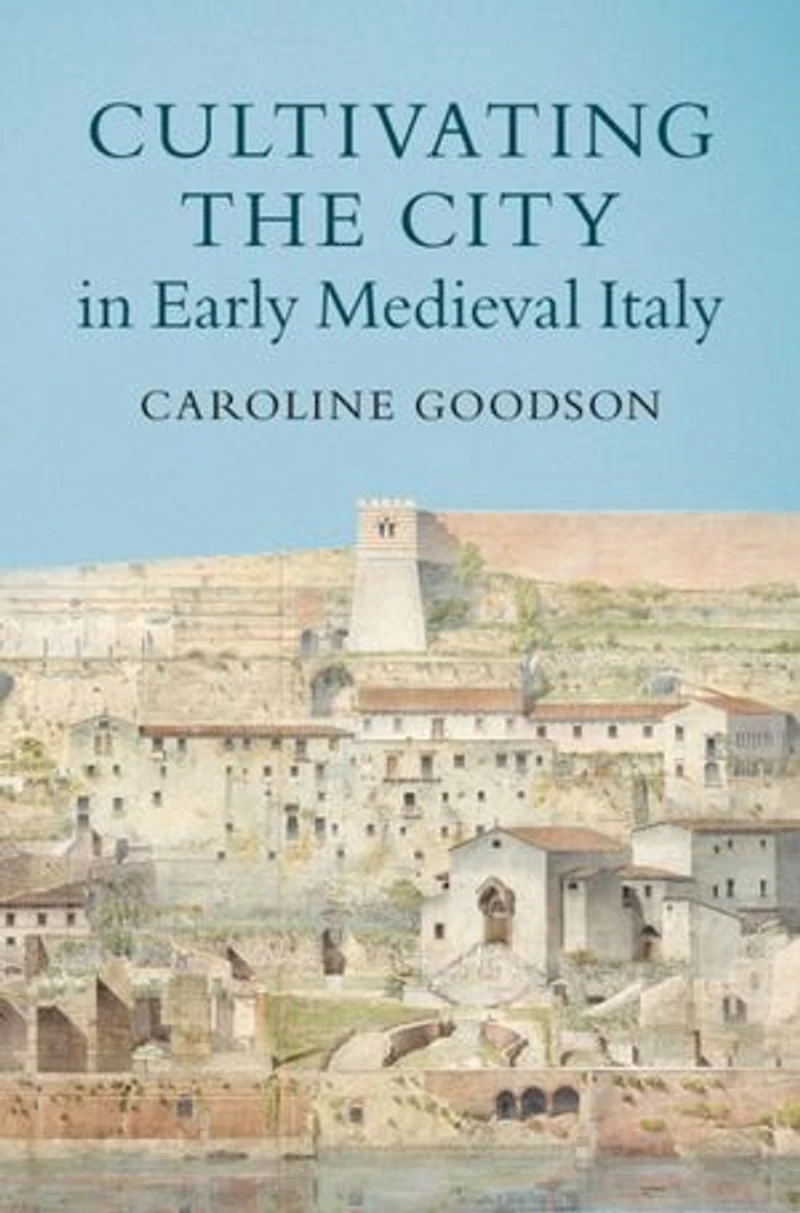
Cultivating the City in Early Medieval Italy in Ottawa, ON
Current price: $31.99
Original price: $39.95

Cultivating the City in Early Medieval Italy in Ottawa, ON
Current price: $31.99
Original price: $39.95
Loading Inventory...
Size: Kobo eBook
*Product information may vary - to confirm product availability, pricing, shipping and return information please contact Coles
Food-growing gardens first appeared in early medieval cities during a period of major social, economic, and political change in the Italian peninsula, and they quickly took on a critical role in city life. The popularity of urban gardens in the medieval city during this period has conventionally been understood as a sign of decline in the post-Roman world, signalling a move towards a subsistence economy. Caroline Goodson challenges this interpretation, demonstrating how urban gardens came to perform essential roles not only in the economy, but also in cultural, religious, and political developments in the emerging early medieval world. Observing changes in how people interacted with each other and their environments from the level of individual households to their neighbourhoods, and the wider countryside, Goodson draws on documentary, archival, and archaeological evidence to reveal how urban gardening reconfigured Roman ideas and economic structures into new, medieval values.
Food-growing gardens first appeared in early medieval cities during a period of major social, economic, and political change in the Italian peninsula, and they quickly took on a critical role in city life. The popularity of urban gardens in the medieval city during this period has conventionally been understood as a sign of decline in the post-Roman world, signalling a move towards a subsistence economy. Caroline Goodson challenges this interpretation, demonstrating how urban gardens came to perform essential roles not only in the economy, but also in cultural, religious, and political developments in the emerging early medieval world. Observing changes in how people interacted with each other and their environments from the level of individual households to their neighbourhoods, and the wider countryside, Goodson draws on documentary, archival, and archaeological evidence to reveal how urban gardening reconfigured Roman ideas and economic structures into new, medieval values.
You May Also Like














More About Coles at Bayshore Shopping Centre
Coles is renowned for its outstanding customer service and great selection of books. Along with the vast array of magazines, stationary, audio-books, children's literature, fiction, non-fiction and reference books, you can find accessories to make your reading experience more pleasurable. We can recommend the very best in reading today. We will help you search our titles for exactly what you need, and if we do not have it in stock, we will order it for you.
100 Bayshore Dr, Nepean, ON K2B 8C1, Canada
Find Coles at Bayshore Shopping Centre in Ottawa, ON
Visit Coles at Bayshore Shopping Centre in Ottawa, ON