

Give the Gift of Choice!
Too many options? Treat your friends and family to their favourite stores with a Bayshore Shopping Centre gift card, redeemable at participating retailers throughout the centre. Click below to purchase yours today!Purchase HereHome
Cultural Differences and Economic Globalization: Effects on trade, foreign direct investment, migration
Coles
Loading Inventory...
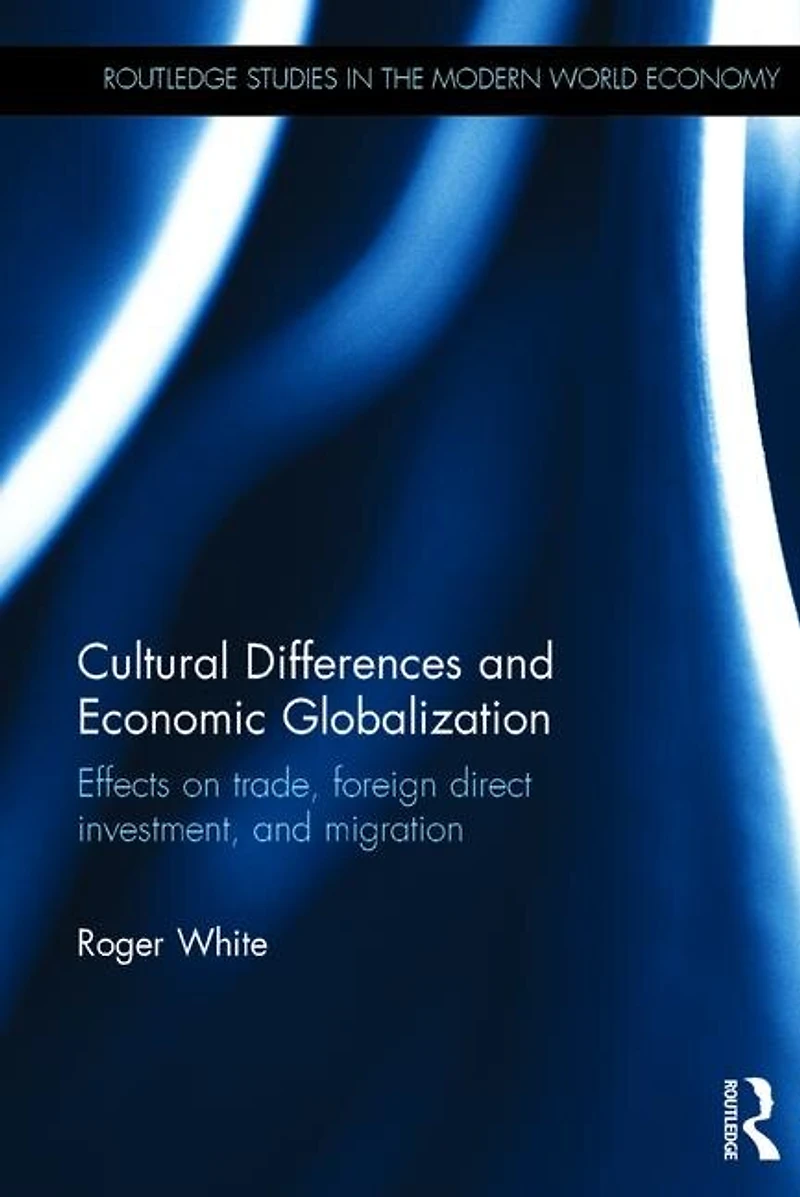
Cultural Differences and Economic Globalization: Effects on trade, foreign direct investment, migration in Ottawa, ON
Current price: $333.50

Cultural Differences and Economic Globalization: Effects on trade, foreign direct investment, migration in Ottawa, ON
Current price: $333.50
Loading Inventory...
Size: Hardcover
*Product information may vary - to confirm product availability, pricing, shipping and return information please contact Coles
Economic globalization is the process of increased integration among nations, characterized and fostered by three elements of international trade- goods and services, international capital flows, and international migration. In recent decades, international economic integration has increased both in depth (more pronounced bilateral connections) and in breadth (connections have become more commonplace), thus, the global economy has become increasingly integrated. Societies receive tremendous net benefits from economic globalization, however, accessing these benefits may be limited by cross-societal cultural differences. This book examines cultural differences as a potential impediment to economic integration. Relying on rigorous statistical and econometric techniques, the analyses indicate that higher transaction costs, due to greater cultural distance, inhibit both the volume of trade flows and the successful completion of trade deals. Cultural distance appears to reduce foreign direct investment, as well as divert investment to less culturally-distant destinations. This book finds a negative relationship between migration flows and cultural distance. It considers the common criticism that repeated and intensified integration diminishes cultural differences, resulting in cultural homogeneity. This book offers the first comprehensive examination of the relationships between cross-societal cultural differences and economic globalization. It will be of great interest to scholars and students who study globalization, international economics, and cultural studies.
Economic globalization is the process of increased integration among nations, characterized and fostered by three elements of international trade- goods and services, international capital flows, and international migration. In recent decades, international economic integration has increased both in depth (more pronounced bilateral connections) and in breadth (connections have become more commonplace), thus, the global economy has become increasingly integrated. Societies receive tremendous net benefits from economic globalization, however, accessing these benefits may be limited by cross-societal cultural differences. This book examines cultural differences as a potential impediment to economic integration. Relying on rigorous statistical and econometric techniques, the analyses indicate that higher transaction costs, due to greater cultural distance, inhibit both the volume of trade flows and the successful completion of trade deals. Cultural distance appears to reduce foreign direct investment, as well as divert investment to less culturally-distant destinations. This book finds a negative relationship between migration flows and cultural distance. It considers the common criticism that repeated and intensified integration diminishes cultural differences, resulting in cultural homogeneity. This book offers the first comprehensive examination of the relationships between cross-societal cultural differences and economic globalization. It will be of great interest to scholars and students who study globalization, international economics, and cultural studies.
You May Also Like
















More About Coles at Bayshore Shopping Centre
Coles is renowned for its outstanding customer service and great selection of books. Along with the vast array of magazines, stationary, audio-books, children's literature, fiction, non-fiction and reference books, you can find accessories to make your reading experience more pleasurable. We can recommend the very best in reading today. We will help you search our titles for exactly what you need, and if we do not have it in stock, we will order it for you.
100 Bayshore Dr, Nepean, ON K2B 8C1, Canada
Find Coles at Bayshore Shopping Centre in Ottawa, ON
Visit Coles at Bayshore Shopping Centre in Ottawa, ON