

Give the Gift of Choice!
Too many options? Treat your friends and family to their favourite stores with a Bayshore Shopping Centre gift card, redeemable at participating retailers throughout the centre. Click below to purchase yours today!Purchase HereHome
Cultural Perspectives on Aging: A Different Approach to Old Age and Aging
Coles
Loading Inventory...
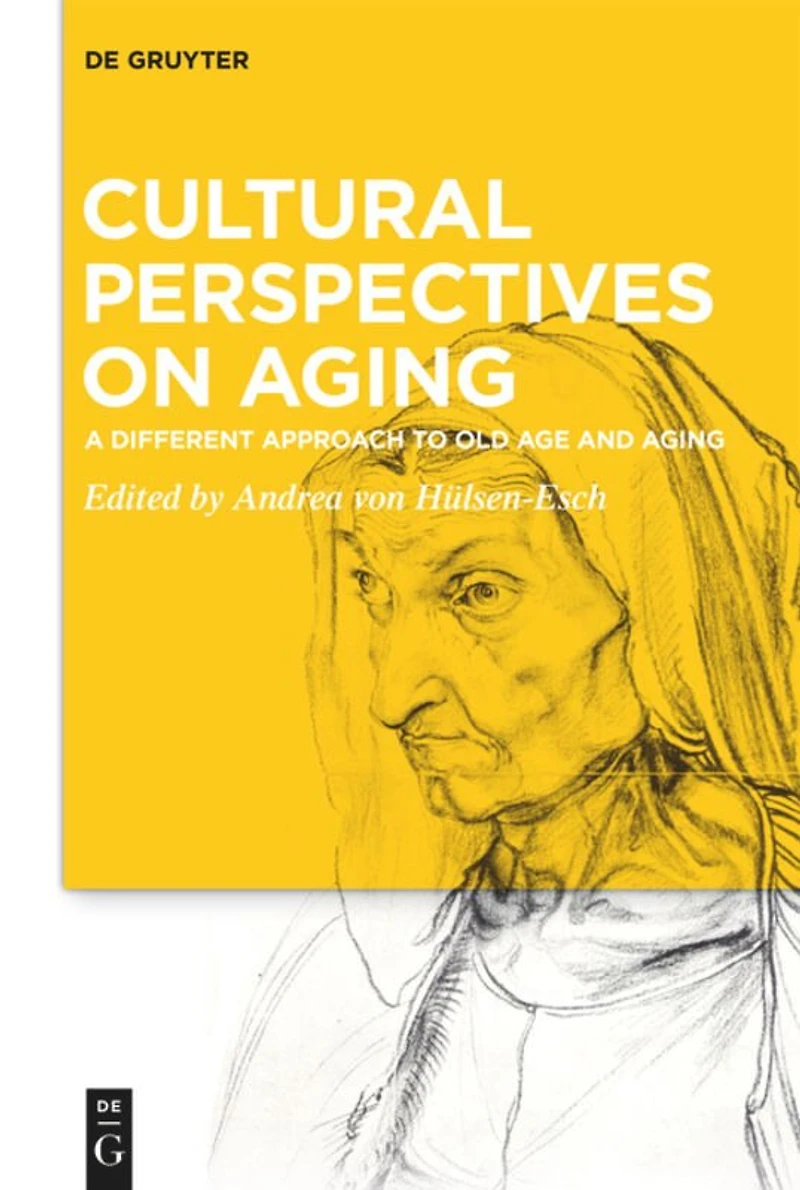
Cultural Perspectives on Aging: A Different Approach to Old Age and Aging in Ottawa, ON
Current price: $126.99

Cultural Perspectives on Aging: A Different Approach to Old Age and Aging in Ottawa, ON
Current price: $126.99
Loading Inventory...
Size: Hardcover
*Product information may vary - to confirm product availability, pricing, shipping and return information please contact Coles
Current demographic developments and change due to long life expectancies, low birth rates, changing family structures, and economic and political crises causing migration and flight are having a significant impact on intergenerational relationships, the social welfare system, the job market and what elderly people (can) expect from their retirement and environment. The socio-political relevance of the categories of ‘age’ and ‘ageing’ have been increasing and gaining much attention within different scholarly fields. However, none of the efforts to identify age-related diseases or the processes of ageing in order to develop suitable strategies for prevention and therapy have had any effect on the fact that attitudes against the elderly are based on patterns that are determined by parameters that or not biological or sociological: age(ing) is also a cultural fact. This book reveals the importance of cultural factors in order to build a framework for analyzing and understanding cultural constructions of ageing, bringing together scholarly discourses from the arts and humanities as well as social, medical and psychological fields of study. The contributions pave the way for new strategies of caring for elderly people.
Current demographic developments and change due to long life expectancies, low birth rates, changing family structures, and economic and political crises causing migration and flight are having a significant impact on intergenerational relationships, the social welfare system, the job market and what elderly people (can) expect from their retirement and environment. The socio-political relevance of the categories of ‘age’ and ‘ageing’ have been increasing and gaining much attention within different scholarly fields. However, none of the efforts to identify age-related diseases or the processes of ageing in order to develop suitable strategies for prevention and therapy have had any effect on the fact that attitudes against the elderly are based on patterns that are determined by parameters that or not biological or sociological: age(ing) is also a cultural fact. This book reveals the importance of cultural factors in order to build a framework for analyzing and understanding cultural constructions of ageing, bringing together scholarly discourses from the arts and humanities as well as social, medical and psychological fields of study. The contributions pave the way for new strategies of caring for elderly people.
You May Also Like












More About Coles at Bayshore Shopping Centre
Coles is renowned for its outstanding customer service and great selection of books. Along with the vast array of magazines, stationary, audio-books, children's literature, fiction, non-fiction and reference books, you can find accessories to make your reading experience more pleasurable. We can recommend the very best in reading today. We will help you search our titles for exactly what you need, and if we do not have it in stock, we will order it for you.
100 Bayshore Dr, Nepean, ON K2B 8C1, Canada
Find Coles at Bayshore Shopping Centre in Ottawa, ON
Visit Coles at Bayshore Shopping Centre in Ottawa, ON