

Give the Gift of Choice!
Too many options? Treat your friends and family to their favourite stores with a Bayshore Shopping Centre gift card, redeemable at participating retailers throughout the centre. Click below to purchase yours today!Purchase HereHome
Cured: The Power Of Forgiveness
Coles
Loading Inventory...
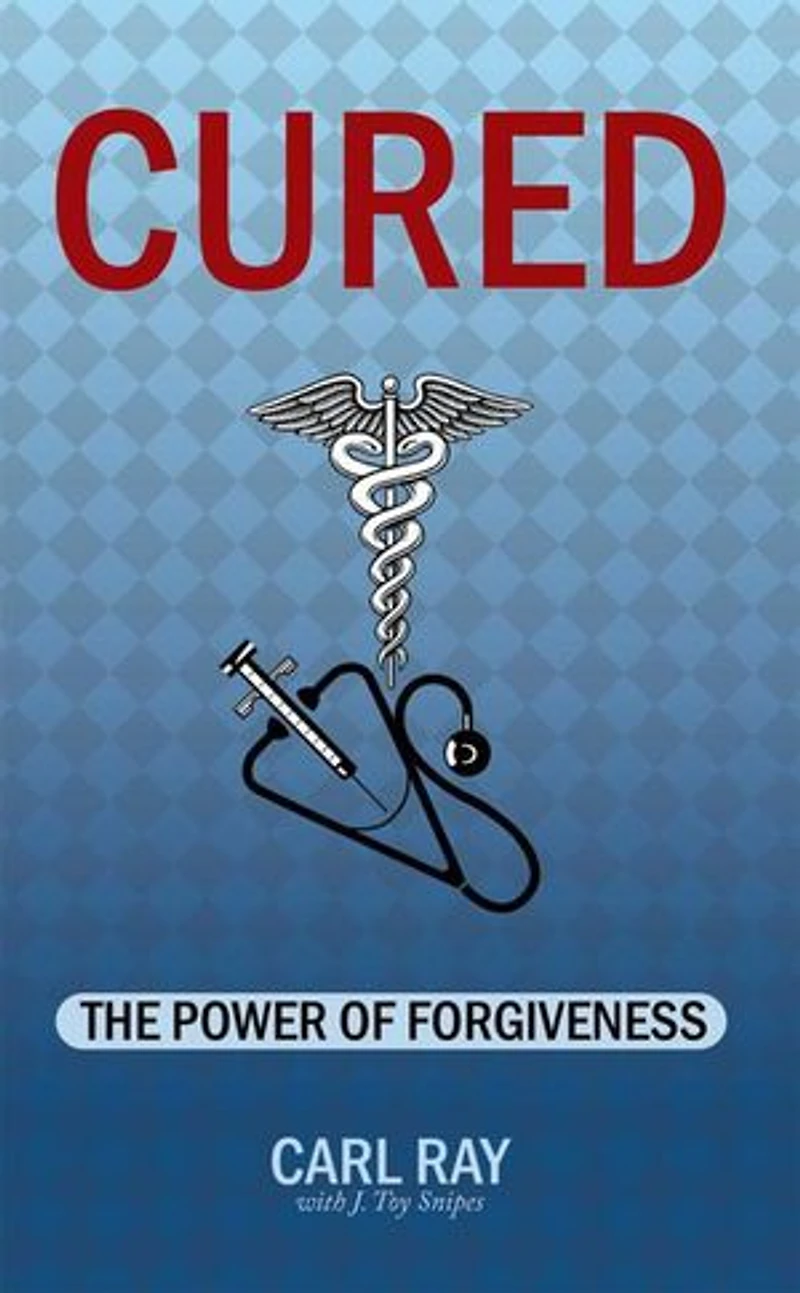
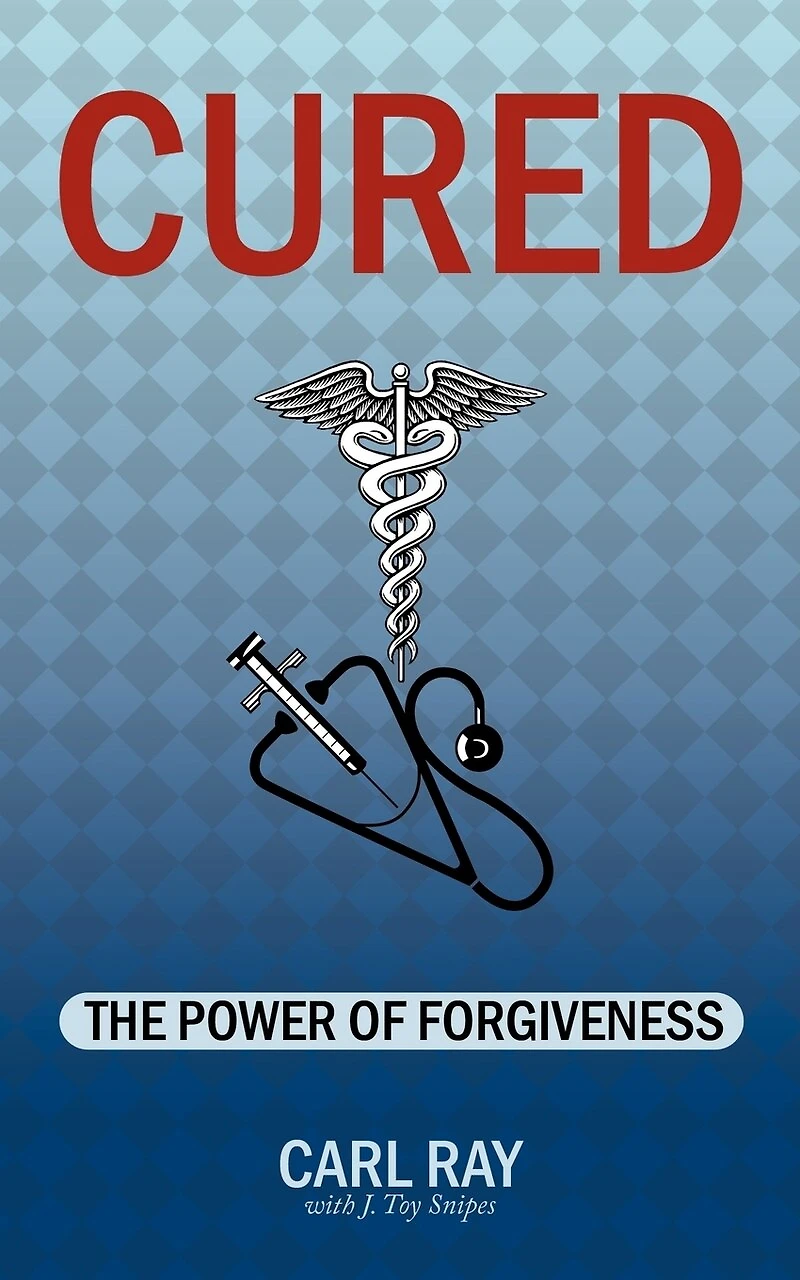
Cured: The Power Of Forgiveness in Ottawa, ON
Current price: $6.29
Original price: $6.99

Cured: The Power Of Forgiveness in Ottawa, ON
Current price: $6.29
Original price: $6.99
Loading Inventory...
Size: Kobo eBook
*Product information may vary - to confirm product availability, pricing, shipping and return information please contact Coles
"Cured" is truly a story about the power of forgiveness. In 1962 in Choctaw County, Alabama, Carl Ray an 18-year-old black man was questioned by an older white man; but when responding, he failed to address the man as "sir" as was then customary when speaking to white men. The man severely beat him for being disrespectful. Still enraged, the man later showed up at Ray's home, and shot his father eight times on his front porch steps; murdered him in cold blood as the terrified youth looked on helplessly. During the farce of a murder trial that followed, the white man's lawyers blamed Ray for causing his own father's death because he had failed to be respectful. The man was charged with second degree manslaughter. However, he never served a day in prison for the murder. Ray was burdened with the guilt of causing his father's murder; his life would never be the same. In 1984, he was released from his self made prison of guilt when he forgave his father's murderer. Ray attributes the act of forgiving the man to have been his own life saver.
"Cured" is truly a story about the power of forgiveness. In 1962 in Choctaw County, Alabama, Carl Ray an 18-year-old black man was questioned by an older white man; but when responding, he failed to address the man as "sir" as was then customary when speaking to white men. The man severely beat him for being disrespectful. Still enraged, the man later showed up at Ray's home, and shot his father eight times on his front porch steps; murdered him in cold blood as the terrified youth looked on helplessly. During the farce of a murder trial that followed, the white man's lawyers blamed Ray for causing his own father's death because he had failed to be respectful. The man was charged with second degree manslaughter. However, he never served a day in prison for the murder. Ray was burdened with the guilt of causing his father's murder; his life would never be the same. In 1984, he was released from his self made prison of guilt when he forgave his father's murderer. Ray attributes the act of forgiving the man to have been his own life saver.
You May Also Like










More About Coles at Bayshore Shopping Centre
Coles is renowned for its outstanding customer service and great selection of books. Along with the vast array of magazines, stationary, audio-books, children's literature, fiction, non-fiction and reference books, you can find accessories to make your reading experience more pleasurable. We can recommend the very best in reading today. We will help you search our titles for exactly what you need, and if we do not have it in stock, we will order it for you.
100 Bayshore Dr, Nepean, ON K2B 8C1, Canada
Find Coles at Bayshore Shopping Centre in Ottawa, ON
Visit Coles at Bayshore Shopping Centre in Ottawa, ON