

Give the Gift of Choice!
Too many options? Treat your friends and family to their favourite stores with a Bayshore Shopping Centre gift card, redeemable at participating retailers throughout the centre. Click below to purchase yours today!Purchase HereHome
Current Perspectives on the Treatment of Obstructive Sleep Apnea: Part II
Coles
Loading Inventory...
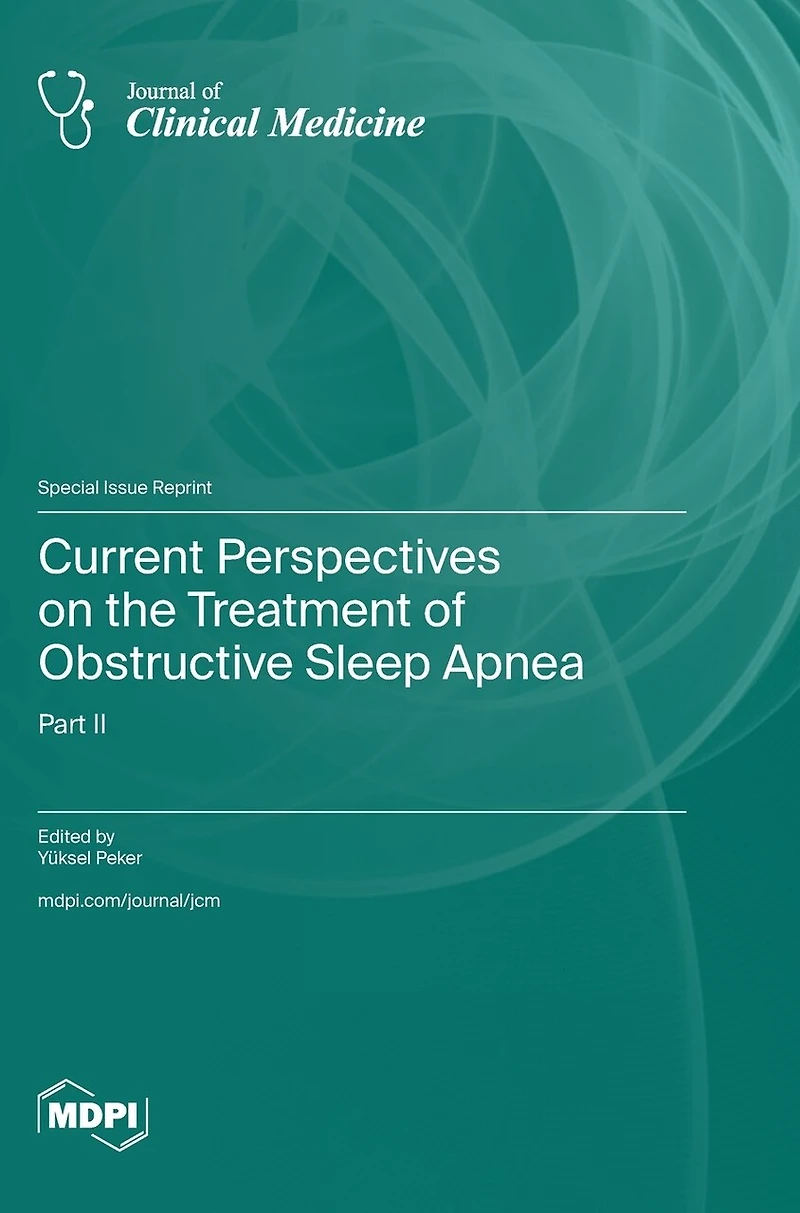
Current Perspectives on the Treatment of Obstructive Sleep Apnea: Part II in Ottawa, ON
Current price: $118.17

Current Perspectives on the Treatment of Obstructive Sleep Apnea: Part II in Ottawa, ON
Current price: $118.17
Loading Inventory...
Size: Hardcover
*Product information may vary - to confirm product availability, pricing, shipping and return information please contact Coles
Obstructive sleep apnea (OSA) is a common disorder with strong associations with cardiovascular, cerebrovascular, metabolic, and cognitive consequences. Continuous Positive Airway Pressure (CPAP) treatment is the first-line therapy for adults with OSA who are symptomatic. However, many individuals with comorbidities do not report symptoms associated with OSA, and adherence to CPAP is poor, especially in individuals with the non-sleepy OSA phenotype. This reprint contains further updates on the current perspectives on the treatment of OSA in order to highlight multidisciplinary approaches, personalized treatment strategies, and identification of the predictors of response to treatment, both in the general population and in clinical cohorts. Reviews regarding the present and future of physiological traits and the use of telemedicine and machine learning are of particular interest.
Obstructive sleep apnea (OSA) is a common disorder with strong associations with cardiovascular, cerebrovascular, metabolic, and cognitive consequences. Continuous Positive Airway Pressure (CPAP) treatment is the first-line therapy for adults with OSA who are symptomatic. However, many individuals with comorbidities do not report symptoms associated with OSA, and adherence to CPAP is poor, especially in individuals with the non-sleepy OSA phenotype. This reprint contains further updates on the current perspectives on the treatment of OSA in order to highlight multidisciplinary approaches, personalized treatment strategies, and identification of the predictors of response to treatment, both in the general population and in clinical cohorts. Reviews regarding the present and future of physiological traits and the use of telemedicine and machine learning are of particular interest.
You May Also Like










More About Coles at Bayshore Shopping Centre
Coles is renowned for its outstanding customer service and great selection of books. Along with the vast array of magazines, stationary, audio-books, children's literature, fiction, non-fiction and reference books, you can find accessories to make your reading experience more pleasurable. We can recommend the very best in reading today. We will help you search our titles for exactly what you need, and if we do not have it in stock, we will order it for you.
100 Bayshore Dr, Nepean, ON K2B 8C1, Canada
Find Coles at Bayshore Shopping Centre in Ottawa, ON
Visit Coles at Bayshore Shopping Centre in Ottawa, ON