

Give the Gift of Choice!
Too many options? Treat your friends and family to their favourite stores with a Bayshore Shopping Centre gift card, redeemable at participating retailers throughout the centre. Click below to purchase yours today!Purchase HereHome
Dealing with Dictators: The United States, Hungary, and East Central Europe, 1942-1989
Coles
Loading Inventory...
Dealing with Dictators: The United States, Hungary, and East Central Europe, 1942-1989 in Ottawa, ON
Current price: $88.95

Dealing with Dictators: The United States, Hungary, and East Central Europe, 1942-1989 in Ottawa, ON
Current price: $88.95
Loading Inventory...
Size: Hardcover
*Product information may vary - to confirm product availability, pricing, shipping and return information please contact Coles
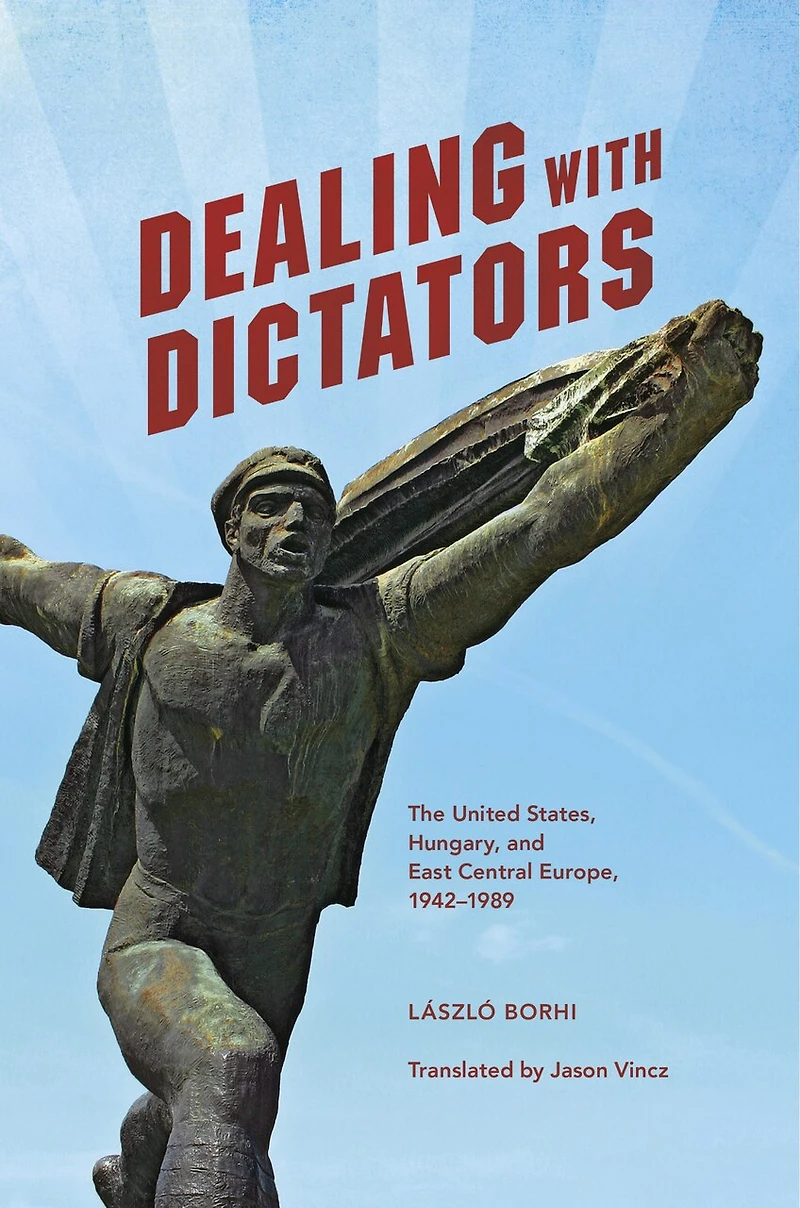
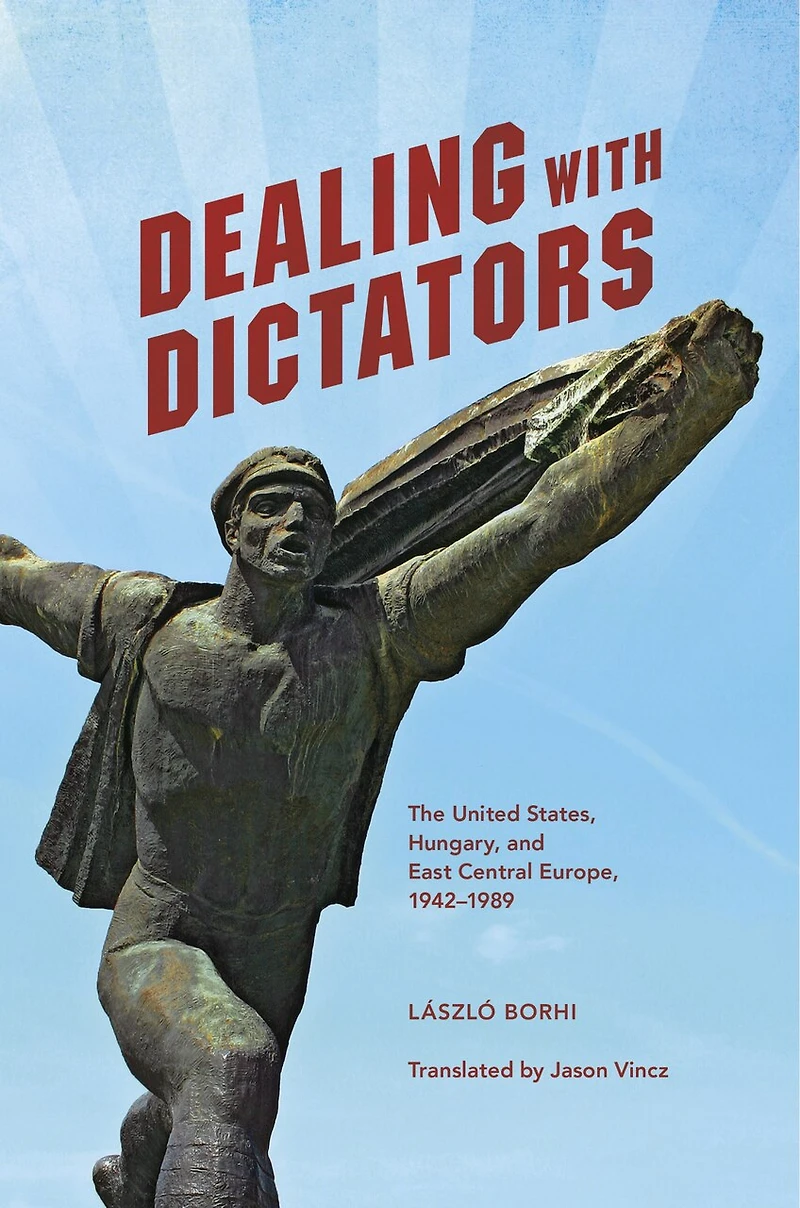
Dealing with Dictators explores America's Cold War efforts to make the dictatorships of Eastern Europe less tyrannical and more responsive to the country's international interests. During this period, US policies were a mix of economic and psychological warfare, subversion, cultural and economic penetration, and coercive diplomacy. Through careful examination of American and Hungarian sources, Lszl Borhi assesses why some policies toward Hungary achieved their goals while others were not successful. When George H. W. Bush exclaimed to Mikhail Gorbachev on the day the Soviet Union collapsed, "Together we liberated Eastern Europe and unified Germany," he was hardly doing justice to the complicated history of the era. The story of the process by which the transition from Soviet satellite to independent state occurred in Hungary sheds light on the dynamics of systemic change in international politics at the end of the Cold War.
Dealing with Dictators explores America's Cold War efforts to make the dictatorships of Eastern Europe less tyrannical and more responsive to the country's international interests. During this period, US policies were a mix of economic and psychological warfare, subversion, cultural and economic penetration, and coercive diplomacy. Through careful examination of American and Hungarian sources, Lszl Borhi assesses why some policies toward Hungary achieved their goals while others were not successful. When George H. W. Bush exclaimed to Mikhail Gorbachev on the day the Soviet Union collapsed, "Together we liberated Eastern Europe and unified Germany," he was hardly doing justice to the complicated history of the era. The story of the process by which the transition from Soviet satellite to independent state occurred in Hungary sheds light on the dynamics of systemic change in international politics at the end of the Cold War.
You May Also Like










More About Coles at Bayshore Shopping Centre
Coles is renowned for its outstanding customer service and great selection of books. Along with the vast array of magazines, stationary, audio-books, children's literature, fiction, non-fiction and reference books, you can find accessories to make your reading experience more pleasurable. We can recommend the very best in reading today. We will help you search our titles for exactly what you need, and if we do not have it in stock, we will order it for you.
100 Bayshore Dr, Nepean, ON K2B 8C1, Canada
Find Coles at Bayshore Shopping Centre in Ottawa, ON
Visit Coles at Bayshore Shopping Centre in Ottawa, ON