

Give the Gift of Choice!
Too many options? Treat your friends and family to their favourite stores with a Bayshore Shopping Centre gift card, redeemable at participating retailers throughout the centre. Click below to purchase yours today!Purchase HereHome
Death and Burial Socialist Yugoslavia: the Politicization of Cemeteries Ethnic Conflict Balkans
Coles
Loading Inventory...
Death and Burial Socialist Yugoslavia: the Politicization of Cemeteries Ethnic Conflict Balkans in Ottawa, ON
Current price: $42.19
Original price: $52.65

Death and Burial Socialist Yugoslavia: the Politicization of Cemeteries Ethnic Conflict Balkans in Ottawa, ON
Current price: $42.19
Original price: $52.65
Loading Inventory...
Size: Kobo eBook
*Product information may vary - to confirm product availability, pricing, shipping and return information please contact Coles
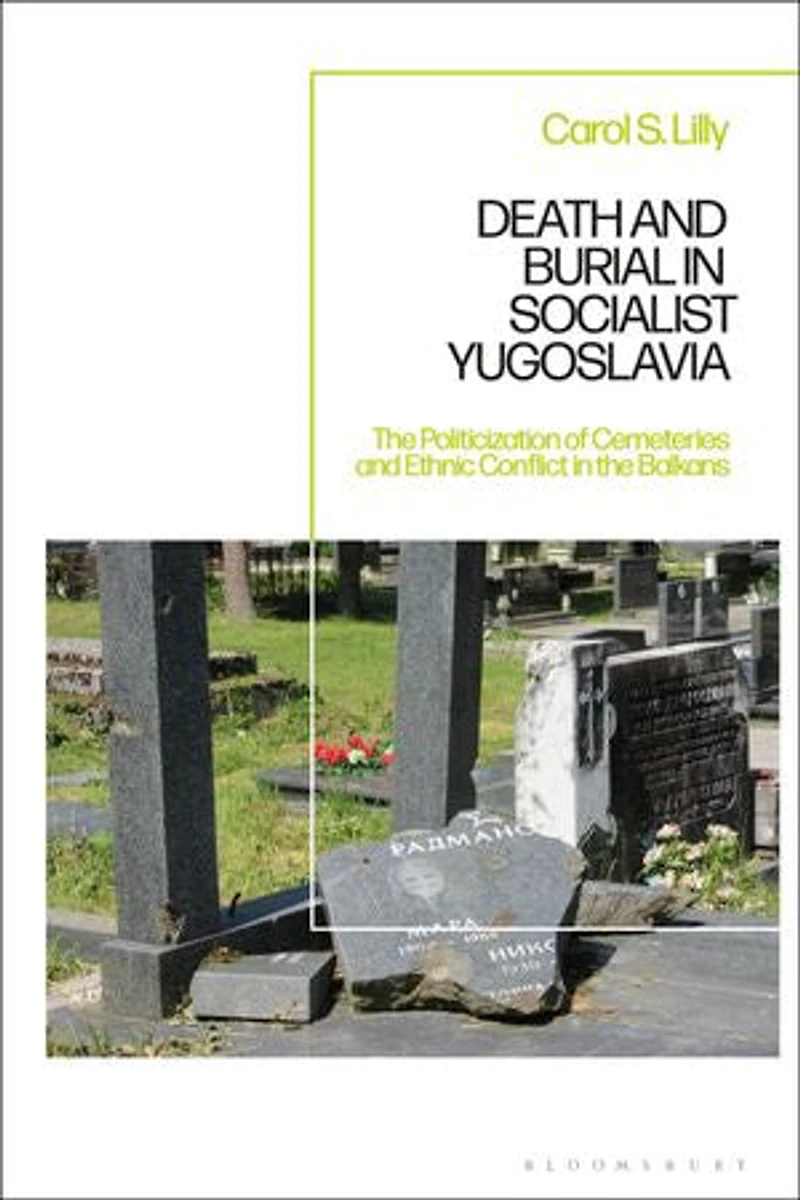
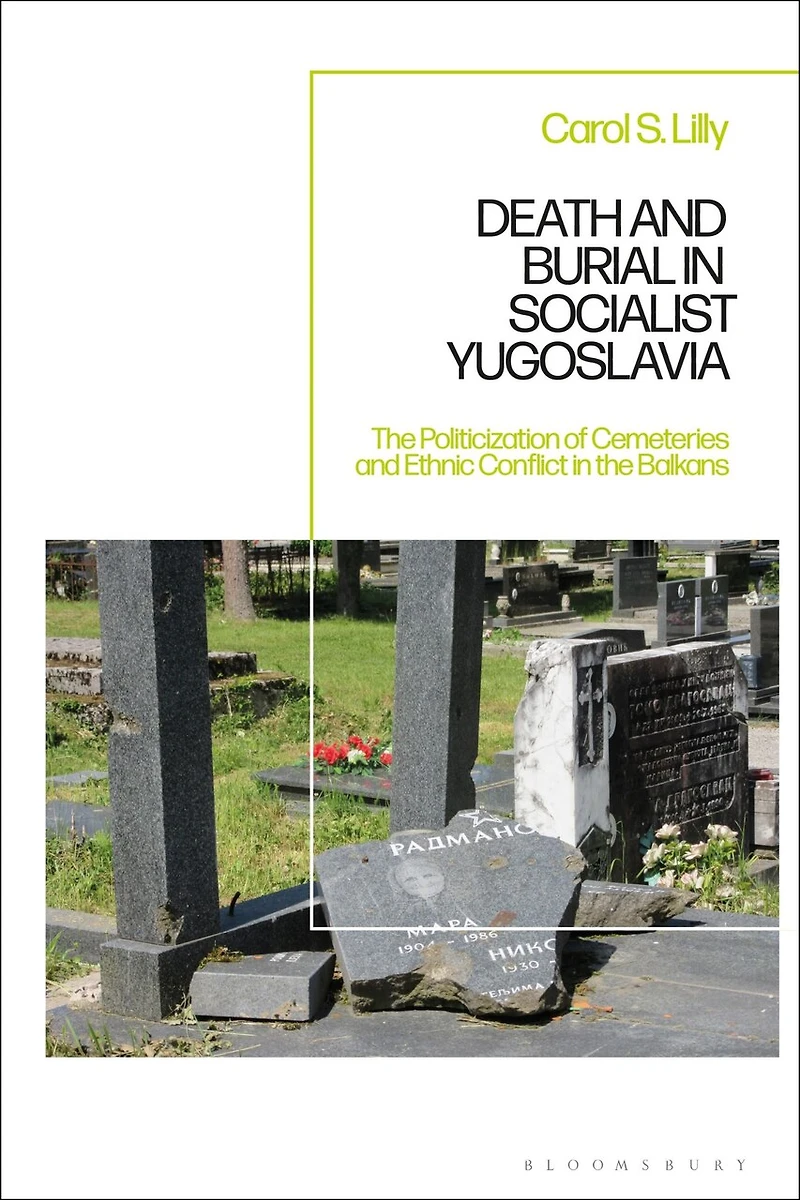
Across the globe, memorial and grave sites are being increasingly weaponized in conflicts and politicized by parties to advance agendas. Here, Carol S. Lilly examines ideas of death, politics, memory, ideology and nationalism in the former Yugoslav republics of Bosnia & Hercegovina, Croatia, and Serbia to shine fresh light on cemetery culture in 20th-century Europe. More specifically, Death and Burial in Socialist Yugoslavia argues that while the CPY created its own communities of the dead in postwar Partisan Cemeteries, it failed to do the same for civilian cemeteries in ways that might reinforce its ideals of secularism, pluralism, and brotherhood and unity. Moreover, the communist regime left the previous system of ethno-religious segregation in place, further isolating Catholics, Orthodox, Muslims and Jews who continued to be buried in separate locations. Finally, it explicitly politicized burial rites and grave markers, making cemeteries into legitimate spaces of political discourse. As a result, by the time Yugoslavia disintegrated in the early 1990s, dead bodies and cemeteries had become a concerted weapon of war in the ongoing ethnic conflict. Ultimately, then, this timely study reveals for the first time the extent to which the communist regime not only failed to created their own communities of the dead but also further divided and alienated living communities in Yugoslavia.
Across the globe, memorial and grave sites are being increasingly weaponized in conflicts and politicized by parties to advance agendas. Here, Carol S. Lilly examines ideas of death, politics, memory, ideology and nationalism in the former Yugoslav republics of Bosnia & Hercegovina, Croatia, and Serbia to shine fresh light on cemetery culture in 20th-century Europe. More specifically, Death and Burial in Socialist Yugoslavia argues that while the CPY created its own communities of the dead in postwar Partisan Cemeteries, it failed to do the same for civilian cemeteries in ways that might reinforce its ideals of secularism, pluralism, and brotherhood and unity. Moreover, the communist regime left the previous system of ethno-religious segregation in place, further isolating Catholics, Orthodox, Muslims and Jews who continued to be buried in separate locations. Finally, it explicitly politicized burial rites and grave markers, making cemeteries into legitimate spaces of political discourse. As a result, by the time Yugoslavia disintegrated in the early 1990s, dead bodies and cemeteries had become a concerted weapon of war in the ongoing ethnic conflict. Ultimately, then, this timely study reveals for the first time the extent to which the communist regime not only failed to created their own communities of the dead but also further divided and alienated living communities in Yugoslavia.
You May Also Like








More About Coles at Bayshore Shopping Centre
Coles is renowned for its outstanding customer service and great selection of books. Along with the vast array of magazines, stationary, audio-books, children's literature, fiction, non-fiction and reference books, you can find accessories to make your reading experience more pleasurable. We can recommend the very best in reading today. We will help you search our titles for exactly what you need, and if we do not have it in stock, we will order it for you.
100 Bayshore Dr, Nepean, ON K2B 8C1, Canada
Find Coles at Bayshore Shopping Centre in Ottawa, ON
Visit Coles at Bayshore Shopping Centre in Ottawa, ON