

Give the Gift of Choice!
Too many options? Treat your friends and family to their favourite stores with a Bayshore Shopping Centre gift card, redeemable at participating retailers throughout the centre. Click below to purchase yours today!Purchase HereHome
Debussy's Late Style
Coles
Loading Inventory...
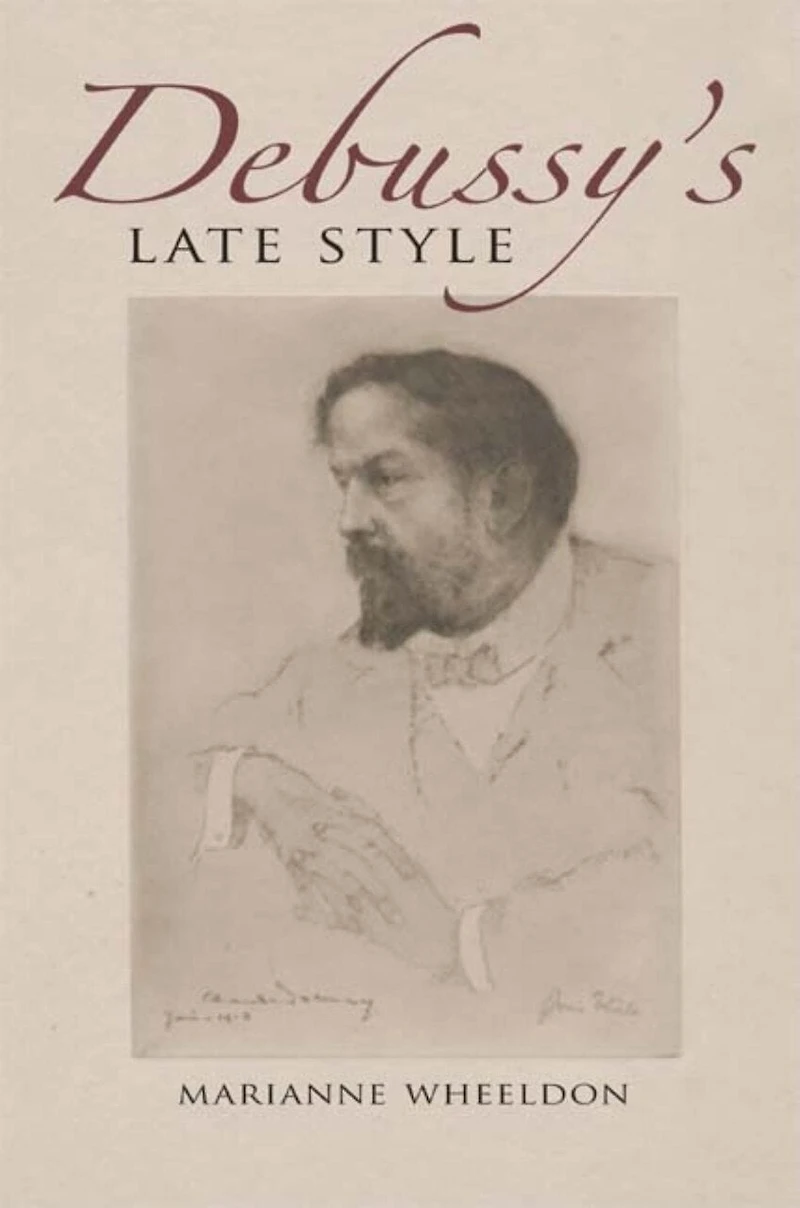
Debussy's Late Style in Ottawa, ON
Current price: $45.95

Debussy's Late Style in Ottawa, ON
Current price: $45.95
Loading Inventory...
Size: Hardcover
*Product information may vary - to confirm product availability, pricing, shipping and return information please contact Coles
Debussy's Late Style explores Claude Debussy's musical responses to World War I. This period of composition encompasses the duration of the war and the last four years of Debussy's life. The works that emerged during this time reflect both wartime events and the composer's self-conscious desire to define his own musical legacy as he felt his life nearing its end. Debussy's complete wartime compositions comprise a small but significant body of works, some little known and some now acknowledged to be among the masterpieces of his career. These include the Berceuse hroque, En Blanc et noir, the Douze tudes, the "Nol des enfants qui n'ont plus de maisons," and the three instrumental sonatas (the Cello Sonata; the Sonata for Flute, Viola, and Harp; and the Violin Sonata). Through music analysis, musicology, and cultural history, this study offers interpretive readings of Debussy's late works, focusing in particular on how they reflect the unique cultural milieu of wartime Paris.
Debussy's Late Style explores Claude Debussy's musical responses to World War I. This period of composition encompasses the duration of the war and the last four years of Debussy's life. The works that emerged during this time reflect both wartime events and the composer's self-conscious desire to define his own musical legacy as he felt his life nearing its end. Debussy's complete wartime compositions comprise a small but significant body of works, some little known and some now acknowledged to be among the masterpieces of his career. These include the Berceuse hroque, En Blanc et noir, the Douze tudes, the "Nol des enfants qui n'ont plus de maisons," and the three instrumental sonatas (the Cello Sonata; the Sonata for Flute, Viola, and Harp; and the Violin Sonata). Through music analysis, musicology, and cultural history, this study offers interpretive readings of Debussy's late works, focusing in particular on how they reflect the unique cultural milieu of wartime Paris.
You May Also Like








More About Coles at Bayshore Shopping Centre
Coles is renowned for its outstanding customer service and great selection of books. Along with the vast array of magazines, stationary, audio-books, children's literature, fiction, non-fiction and reference books, you can find accessories to make your reading experience more pleasurable. We can recommend the very best in reading today. We will help you search our titles for exactly what you need, and if we do not have it in stock, we will order it for you.
100 Bayshore Dr, Nepean, ON K2B 8C1, Canada
Find Coles at Bayshore Shopping Centre in Ottawa, ON
Visit Coles at Bayshore Shopping Centre in Ottawa, ON