

Give the Gift of Choice!
Too many options? Treat your friends and family to their favourite stores with a Bayshore Shopping Centre gift card, redeemable at participating retailers throughout the centre. Click below to purchase yours today!Purchase HereHome
Deception and Abuse at the Fed: Henry B. Gonzalez Battles Alan Greenspan's Bank
Coles
Loading Inventory...
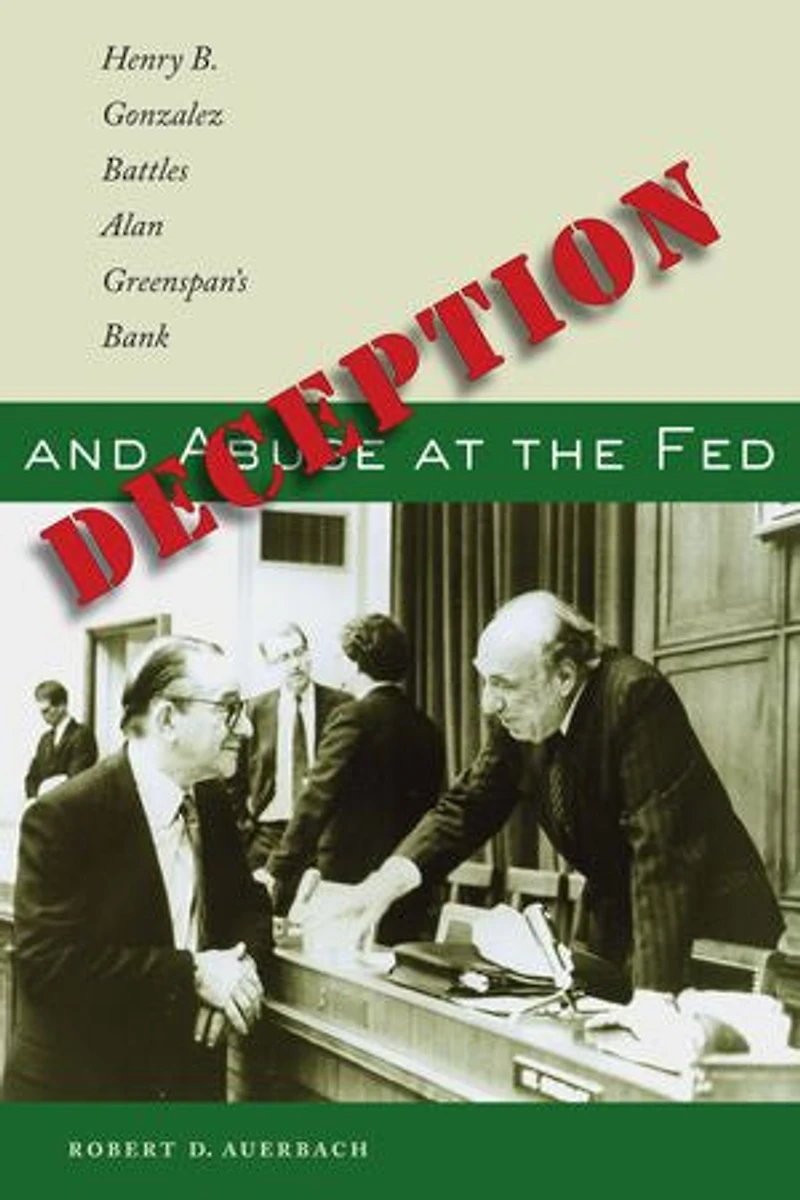
Deception and Abuse at the Fed: Henry B. Gonzalez Battles Alan Greenspan's Bank in Ottawa, ON
Current price: $24.79
Original price: $30.95

Deception and Abuse at the Fed: Henry B. Gonzalez Battles Alan Greenspan's Bank in Ottawa, ON
Current price: $24.79
Original price: $30.95
Loading Inventory...
Size: Kobo eBook
*Product information may vary - to confirm product availability, pricing, shipping and return information please contact Coles
The Federal Reserve—the central bank of the United States—is the most powerful peacetime bureaucracy in the federal government. Under the chairmanship of Alan Greenspan (1987-2006), the Fed achieved near mythical status for its part in managing the economy, and Greenspan was lauded as a genius. Few seemed to notice or care that Fed officials operated secretly with almost no public accountability. There was a courageous exception to this lack of oversight, however: Henry B. Gonzalez (D-TX)—chairman of the U.S. House of Representatives Financial Services (banking) Committee.
In Deception and Abuse at the Fed , Robert Auerbach, a former banking committee investigator, recounts major instances of Fed mismanagement and abuse of power that were exposed by Rep. Gonzalez, including:
Blocking Congress and the public from holding powerful Fed officials accountable by falsely declaring—for 17 years—it had no transcripts of its meetings;
Manipulating the stock and bond markets in 1994 under cover of a preemptive strike against inflation;
Allowing $5.5 billion to be sent to Saddam Hussein from a small Atlanta branch of a foreign bank—the result of faulty bank examination practices by the Fed;
Stonewalling Congressional investigations and misleading the Washington Post about the $6,300 found on the Watergate burglars.
Auerbach provides documentation of these and other abuses at the Fed, which confirms Rep. Gonzalez's belief that no government agency should be allowed to operate with the secrecy and independence in which the Federal Reserve has shrouded itself. Auerbach concludes with recommendations for specific, broad-ranging reforms that will make the Fed accountable to the government and the people of the United States.
The Federal Reserve—the central bank of the United States—is the most powerful peacetime bureaucracy in the federal government. Under the chairmanship of Alan Greenspan (1987-2006), the Fed achieved near mythical status for its part in managing the economy, and Greenspan was lauded as a genius. Few seemed to notice or care that Fed officials operated secretly with almost no public accountability. There was a courageous exception to this lack of oversight, however: Henry B. Gonzalez (D-TX)—chairman of the U.S. House of Representatives Financial Services (banking) Committee.
In Deception and Abuse at the Fed , Robert Auerbach, a former banking committee investigator, recounts major instances of Fed mismanagement and abuse of power that were exposed by Rep. Gonzalez, including:
Blocking Congress and the public from holding powerful Fed officials accountable by falsely declaring—for 17 years—it had no transcripts of its meetings;
Manipulating the stock and bond markets in 1994 under cover of a preemptive strike against inflation;
Allowing $5.5 billion to be sent to Saddam Hussein from a small Atlanta branch of a foreign bank—the result of faulty bank examination practices by the Fed;
Stonewalling Congressional investigations and misleading the Washington Post about the $6,300 found on the Watergate burglars.
Auerbach provides documentation of these and other abuses at the Fed, which confirms Rep. Gonzalez's belief that no government agency should be allowed to operate with the secrecy and independence in which the Federal Reserve has shrouded itself. Auerbach concludes with recommendations for specific, broad-ranging reforms that will make the Fed accountable to the government and the people of the United States.
You May Also Like


















More About Coles at Bayshore Shopping Centre
Coles is renowned for its outstanding customer service and great selection of books. Along with the vast array of magazines, stationary, audio-books, children's literature, fiction, non-fiction and reference books, you can find accessories to make your reading experience more pleasurable. We can recommend the very best in reading today. We will help you search our titles for exactly what you need, and if we do not have it in stock, we will order it for you.
100 Bayshore Dr, Nepean, ON K2B 8C1, Canada
Find Coles at Bayshore Shopping Centre in Ottawa, ON
Visit Coles at Bayshore Shopping Centre in Ottawa, ON