

Give the Gift of Choice!
Too many options? Treat your friends and family to their favourite stores with a Bayshore Shopping Centre gift card, redeemable at participating retailers throughout the centre. Click below to purchase yours today!Purchase HereHome
Decolonising English Studies from the Semi-Periphery
Coles
Loading Inventory...
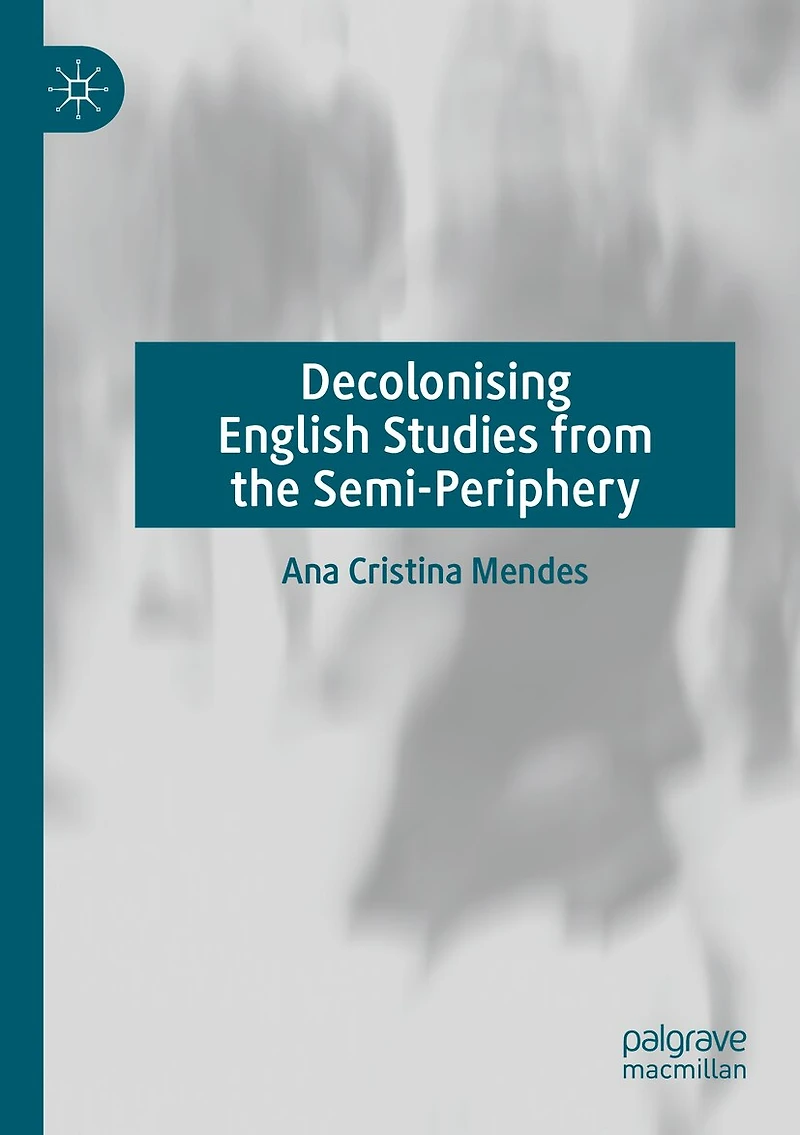
Decolonising English Studies from the Semi-Periphery in Ottawa, ON
By None
Current price: $189.95

By None
Decolonising English Studies from the Semi-Periphery in Ottawa, ON
Current price: $189.95
Loading Inventory...
Size: Paperback
*Product information may vary - to confirm product availability, pricing, shipping and return information please contact Coles
This book investigates how decolonising the curriculum might work in English studies - one of the fields that bears the most robust traces of its imperial and colonial roots - from the perspective of the semi-periphery of the academic world- system. It takes the University of Lisbon as a point of departure to explore broader questions of how the field can be rethought from within, through Anglophone (post)coloniality and an institutional location in a department of English, while also considering forces from without, as the arguments in this book issue from a specific, liminal positionality outside the Anglosphere. The first half of the book examines the critical practice of and the political push for decolonising the university and the curriculum, advancing existing scholarship with this focus on semi-peripheral perspectives. The second half comprises two theoretically-informed and classroom-oriented case studies of adaptation of the literary canon, a part of model syllabi that aredesigned to raise awareness of and encourage an understanding of a global, pluriversal literary history.
This book investigates how decolonising the curriculum might work in English studies - one of the fields that bears the most robust traces of its imperial and colonial roots - from the perspective of the semi-periphery of the academic world- system. It takes the University of Lisbon as a point of departure to explore broader questions of how the field can be rethought from within, through Anglophone (post)coloniality and an institutional location in a department of English, while also considering forces from without, as the arguments in this book issue from a specific, liminal positionality outside the Anglosphere. The first half of the book examines the critical practice of and the political push for decolonising the university and the curriculum, advancing existing scholarship with this focus on semi-peripheral perspectives. The second half comprises two theoretically-informed and classroom-oriented case studies of adaptation of the literary canon, a part of model syllabi that aredesigned to raise awareness of and encourage an understanding of a global, pluriversal literary history.
You May Also Like












More About Coles at Bayshore Shopping Centre
Coles is renowned for its outstanding customer service and great selection of books. Along with the vast array of magazines, stationary, audio-books, children's literature, fiction, non-fiction and reference books, you can find accessories to make your reading experience more pleasurable. We can recommend the very best in reading today. We will help you search our titles for exactly what you need, and if we do not have it in stock, we will order it for you.
100 Bayshore Dr, Nepean, ON K2B 8C1, Canada
Find Coles at Bayshore Shopping Centre in Ottawa, ON
Visit Coles at Bayshore Shopping Centre in Ottawa, ON