

Give the Gift of Choice!
Too many options? Treat your friends and family to their favourite stores with a Bayshore Shopping Centre gift card, redeemable at participating retailers throughout the centre. Click below to purchase yours today!Purchase HereHome
Decolonizing African Knowledge: Autoethnography and Epistemologies
Coles
Loading Inventory...
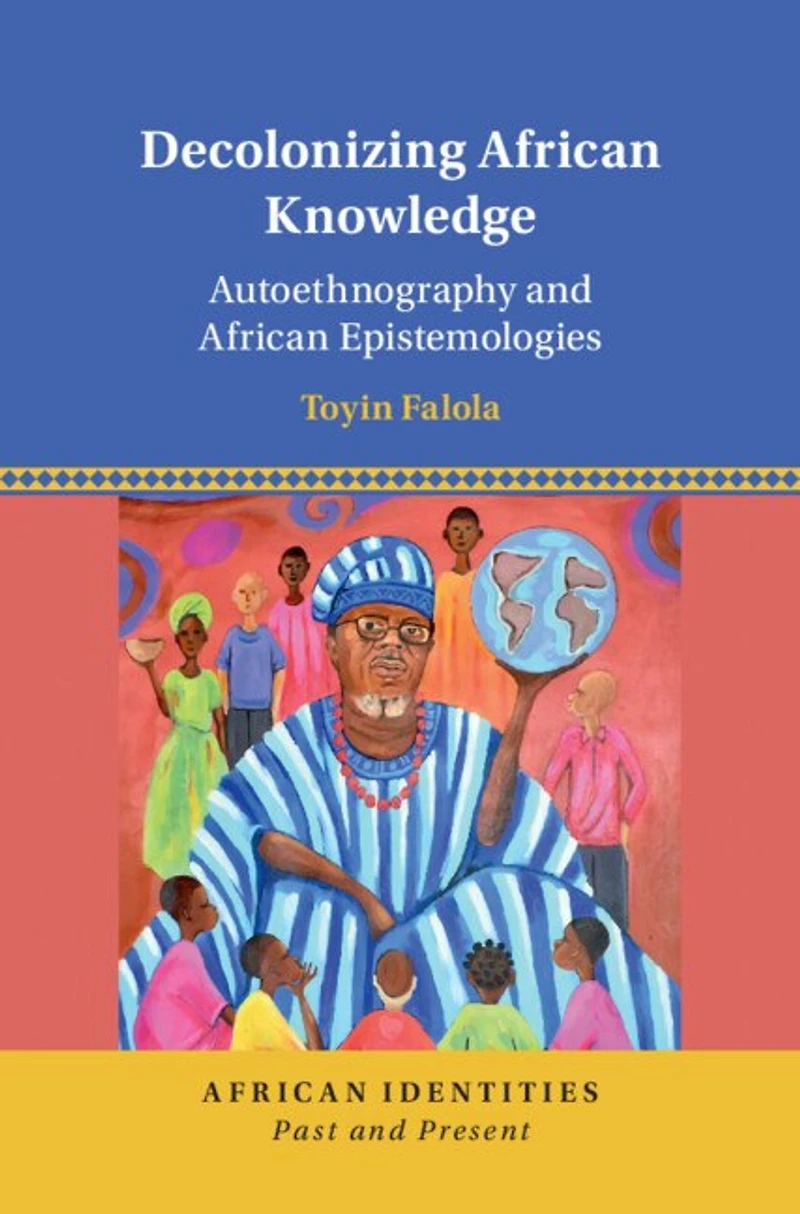
Decolonizing African Knowledge: Autoethnography and Epistemologies in Ottawa, ON
Current price: $50.95

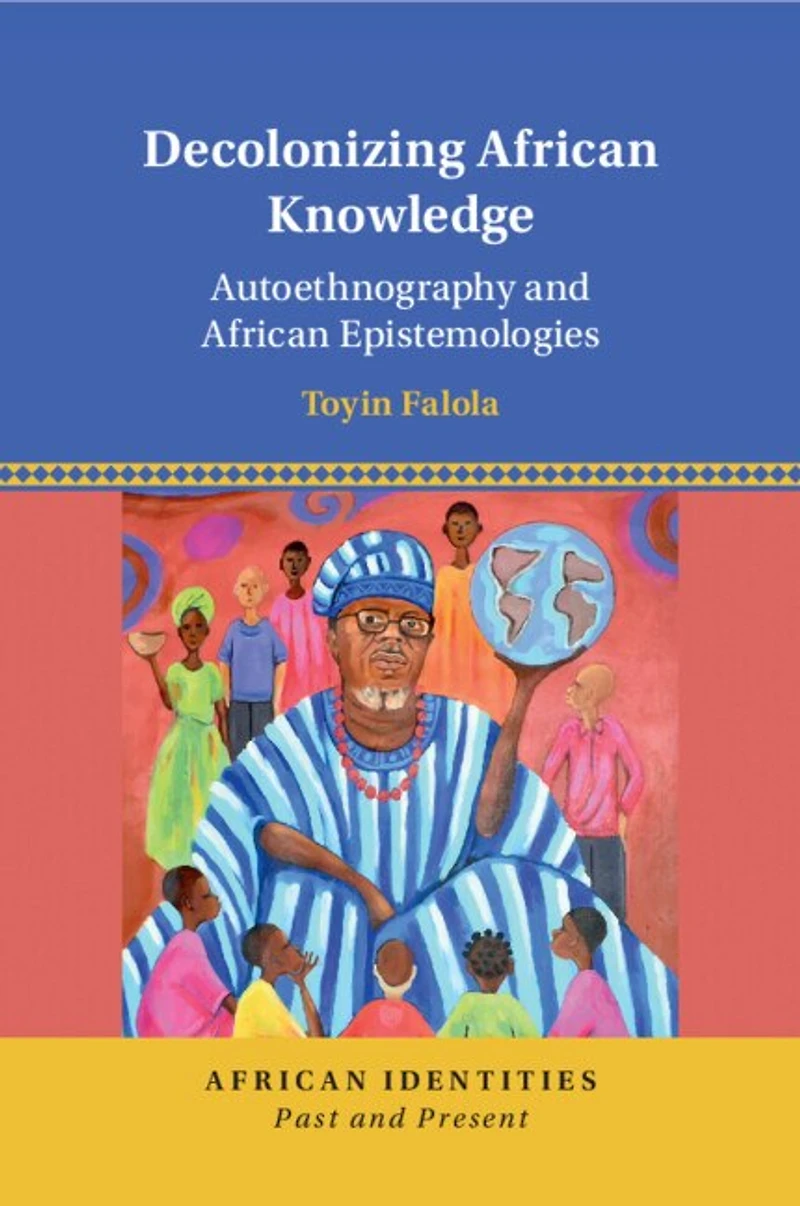
Decolonizing African Knowledge: Autoethnography and Epistemologies in Ottawa, ON
Current price: $50.95
Loading Inventory...
Size: Hardcover
*Product information may vary - to confirm product availability, pricing, shipping and return information please contact Coles
Addressing the consequences of European slavery, colonialism, and neo-colonialism on African history, knowledge and its institutions, this innovative book applies autoethnography to the understanding of African knowledge systems. Considering the 'Self' and Yoruba Being (the individual and the collective) in the context of the African decolonial project, Falola strips away Eurocentric influences and interruptions from African epistemology. Avoiding colonial archival sources, it grounds itself in alternative archives created by memory, spoken words, images and photographs to look at the themes of politics, culture, nation, ethnicity, satire, poetics, magic, myth, metaphor, sculpture, textiles, hair and gender. Vividly illustrated in colour, it uses diverse and novel methods to access an African way of knowing. Exploring the different ways that a society understands and presents itself, this book highlights convergence, enmeshing private and public data to provide a comprehensive understanding of society, public consciousness, and cultural identity.
Addressing the consequences of European slavery, colonialism, and neo-colonialism on African history, knowledge and its institutions, this innovative book applies autoethnography to the understanding of African knowledge systems. Considering the 'Self' and Yoruba Being (the individual and the collective) in the context of the African decolonial project, Falola strips away Eurocentric influences and interruptions from African epistemology. Avoiding colonial archival sources, it grounds itself in alternative archives created by memory, spoken words, images and photographs to look at the themes of politics, culture, nation, ethnicity, satire, poetics, magic, myth, metaphor, sculpture, textiles, hair and gender. Vividly illustrated in colour, it uses diverse and novel methods to access an African way of knowing. Exploring the different ways that a society understands and presents itself, this book highlights convergence, enmeshing private and public data to provide a comprehensive understanding of society, public consciousness, and cultural identity.
You May Also Like







More About Coles at Bayshore Shopping Centre
Coles is renowned for its outstanding customer service and great selection of books. Along with the vast array of magazines, stationary, audio-books, children's literature, fiction, non-fiction and reference books, you can find accessories to make your reading experience more pleasurable. We can recommend the very best in reading today. We will help you search our titles for exactly what you need, and if we do not have it in stock, we will order it for you.
100 Bayshore Dr, Nepean, ON K2B 8C1, Canada
Find Coles at Bayshore Shopping Centre in Ottawa, ON
Visit Coles at Bayshore Shopping Centre in Ottawa, ON