

Give the Gift of Choice!
Too many options? Treat your friends and family to their favourite stores with a Bayshore Shopping Centre gift card, redeemable at participating retailers throughout the centre. Click below to purchase yours today!Purchase HereHome
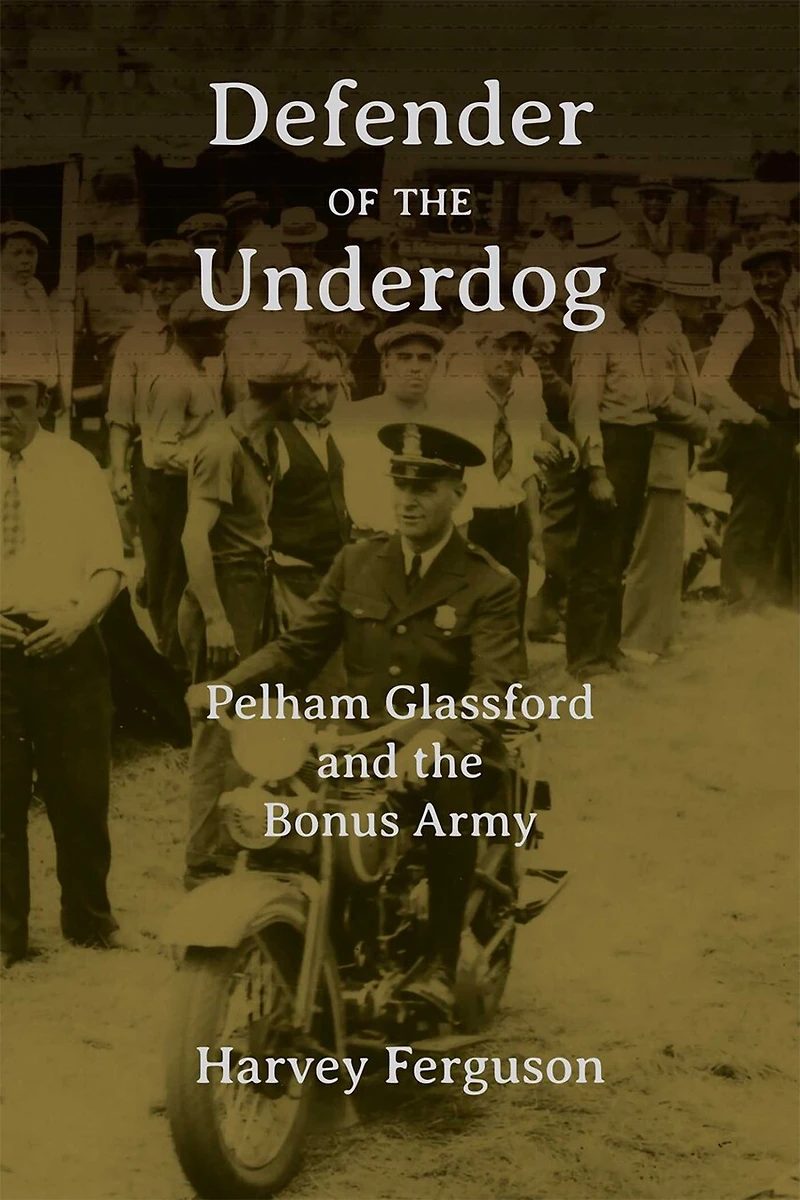
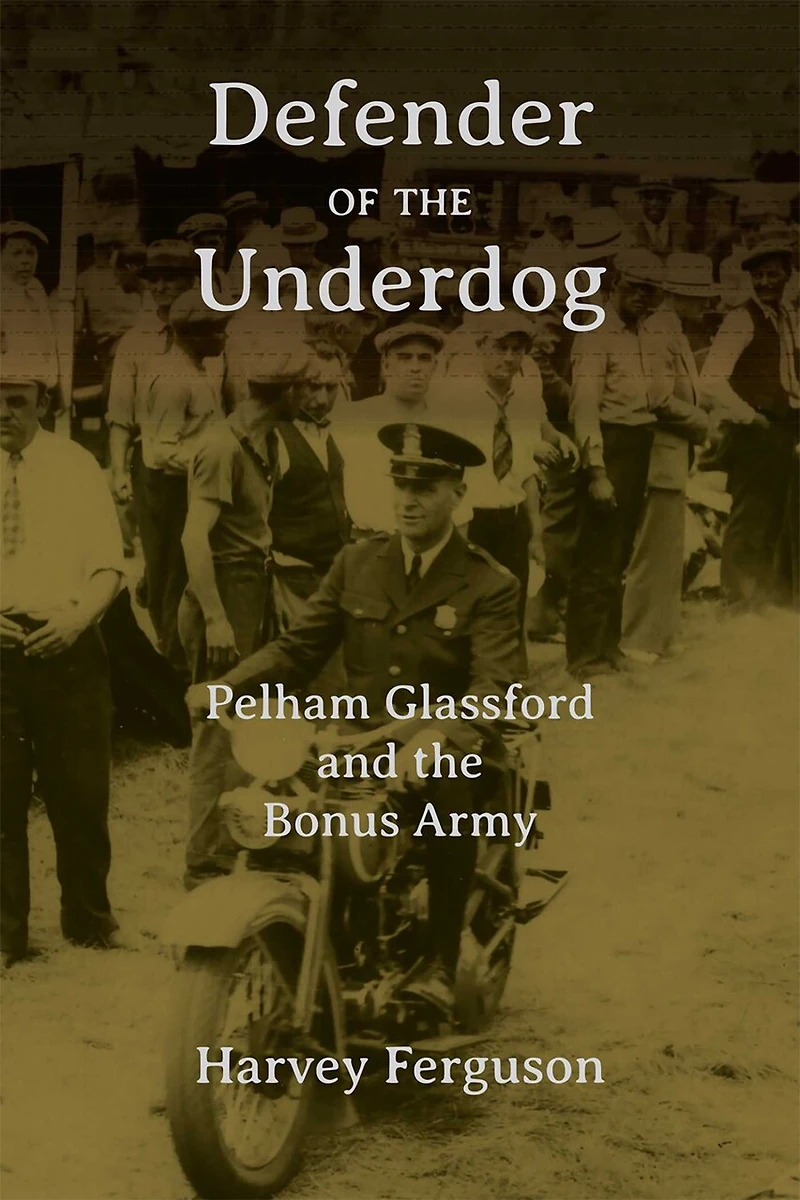
Defender of the Underdog: Pelham Glassford and Bonus Army
Coles
Loading Inventory...
Defender of the Underdog: Pelham Glassford and Bonus Army in Ottawa, ON
Current price: $46.95

Defender of the Underdog: Pelham Glassford and Bonus Army in Ottawa, ON
Current price: $46.95
Loading Inventory...
Size: Hardcover
*Product information may vary - to confirm product availability, pricing, shipping and return information please contact Coles
In 1932, the worst year of the Great Depression, more than twenty thousand mostly homeless World War I veterans trekked to the nation's capital to petition Congress to grant them early payment of a promised bonus. The Hoover Administration and the local government urged Washington, DC, police chief Pelham Glassford to forcefully drive this bonus army out of the city. Instead, he defied both governments for months and found food and shelter for the veterans until Congress voted on their request.
Glassford's efforts to persuade federal and local officials to deal sympathetically with the protesters were ultimately in vain, but his proposed solutions, though disregarded by his supervisors, demonstrate that compassion and empathy could be more effective ways of dealing with radical protests than violent suppression.
In 1932, the worst year of the Great Depression, more than twenty thousand mostly homeless World War I veterans trekked to the nation's capital to petition Congress to grant them early payment of a promised bonus. The Hoover Administration and the local government urged Washington, DC, police chief Pelham Glassford to forcefully drive this bonus army out of the city. Instead, he defied both governments for months and found food and shelter for the veterans until Congress voted on their request.
Glassford's efforts to persuade federal and local officials to deal sympathetically with the protesters were ultimately in vain, but his proposed solutions, though disregarded by his supervisors, demonstrate that compassion and empathy could be more effective ways of dealing with radical protests than violent suppression.
You May Also Like

















More About Coles at Bayshore Shopping Centre
Coles is renowned for its outstanding customer service and great selection of books. Along with the vast array of magazines, stationary, audio-books, children's literature, fiction, non-fiction and reference books, you can find accessories to make your reading experience more pleasurable. We can recommend the very best in reading today. We will help you search our titles for exactly what you need, and if we do not have it in stock, we will order it for you.
100 Bayshore Dr, Nepean, ON K2B 8C1, Canada
Find Coles at Bayshore Shopping Centre in Ottawa, ON
Visit Coles at Bayshore Shopping Centre in Ottawa, ON