

Give the Gift of Choice!
Too many options? Treat your friends and family to their favourite stores with a Bayshore Shopping Centre gift card, redeemable at participating retailers throughout the centre. Click below to purchase yours today!Purchase HereHome
Deleuze and Transcendental Empiricism
Coles
Loading Inventory...
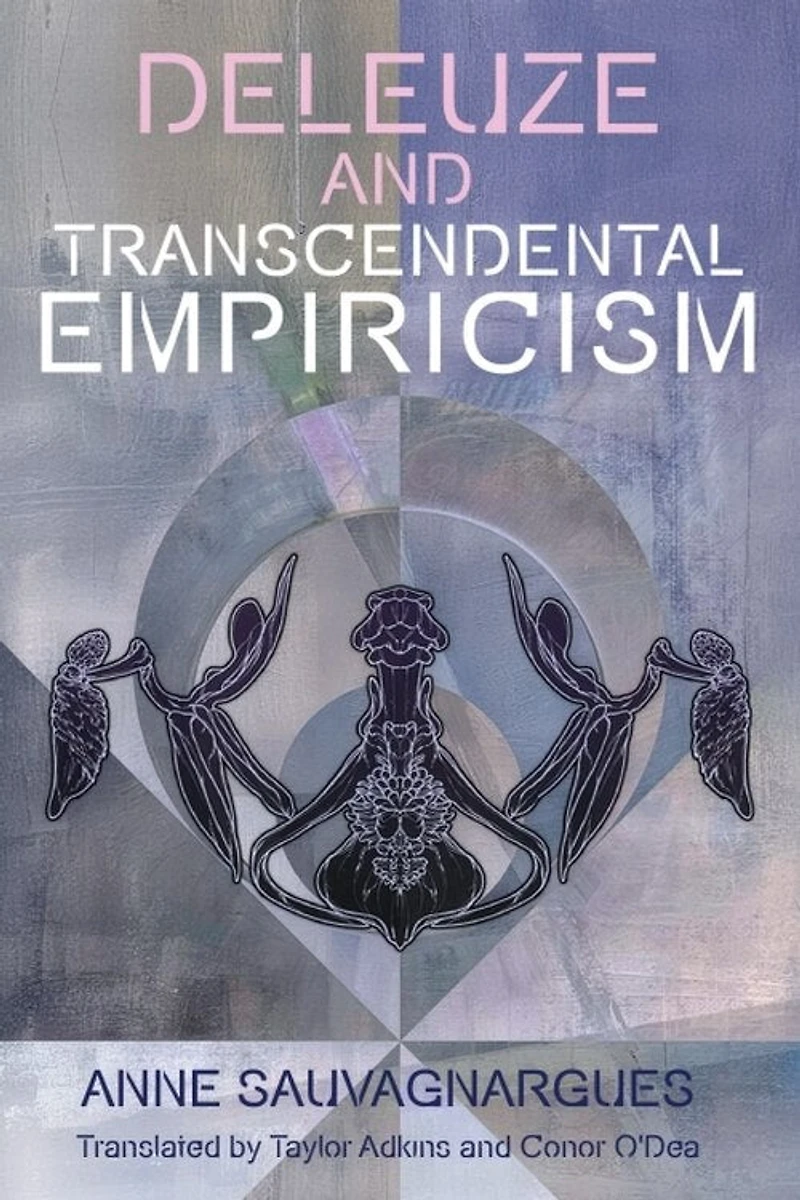
Deleuze and Transcendental Empiricism in Ottawa, ON
Current price: $188.99

Deleuze and Transcendental Empiricism in Ottawa, ON
Current price: $188.99
Loading Inventory...
Size: Hardcover
*Product information may vary - to confirm product availability, pricing, shipping and return information please contact Coles
The work of Deleuze immerses Kantian transcendental criticism into the dissolving bath of a renewed form of empiricism. Anne Sauvagnargues sets out to reconstruct this undertaking, and to analyse the astonishing creation of the concept of transcendental empiricism, which Deleuze pursues from his first monographs in 1953 to Différence et Répétition (1968), engaging in fertile debate and dialogue with the history of philosophy.
How does Deleuze use distortion and collage to combine Hume's empiricism, Nietzsche's theory of the sign as force, Bergson's virtuality and multiplicities, Spinoza's modes and Simondon's impersonal individuation to renew Kantian theory of the transcendental? This is the overarching purpose of Sauvagnargues’ investigation, which takes us into the thinker's laboratory in order to grasp philosophy in the making and helps to explain the insistence of the transcendental in all of Deleuze’s work.
The work of Deleuze immerses Kantian transcendental criticism into the dissolving bath of a renewed form of empiricism. Anne Sauvagnargues sets out to reconstruct this undertaking, and to analyse the astonishing creation of the concept of transcendental empiricism, which Deleuze pursues from his first monographs in 1953 to Différence et Répétition (1968), engaging in fertile debate and dialogue with the history of philosophy.
How does Deleuze use distortion and collage to combine Hume's empiricism, Nietzsche's theory of the sign as force, Bergson's virtuality and multiplicities, Spinoza's modes and Simondon's impersonal individuation to renew Kantian theory of the transcendental? This is the overarching purpose of Sauvagnargues’ investigation, which takes us into the thinker's laboratory in order to grasp philosophy in the making and helps to explain the insistence of the transcendental in all of Deleuze’s work.
You May Also Like







More About Coles at Bayshore Shopping Centre
Coles is renowned for its outstanding customer service and great selection of books. Along with the vast array of magazines, stationary, audio-books, children's literature, fiction, non-fiction and reference books, you can find accessories to make your reading experience more pleasurable. We can recommend the very best in reading today. We will help you search our titles for exactly what you need, and if we do not have it in stock, we will order it for you.
100 Bayshore Dr, Nepean, ON K2B 8C1, Canada
Find Coles at Bayshore Shopping Centre in Ottawa, ON
Visit Coles at Bayshore Shopping Centre in Ottawa, ON