

Give the Gift of Choice!
Too many options? Treat your friends and family to their favourite stores with a Bayshore Shopping Centre gift card, redeemable at participating retailers throughout the centre. Click below to purchase yours today!Purchase HereHome
Deliberation with Chinese Characteristics: A Tale of Two Cities' Participatory Budgeting Experiences
Coles
Loading Inventory...
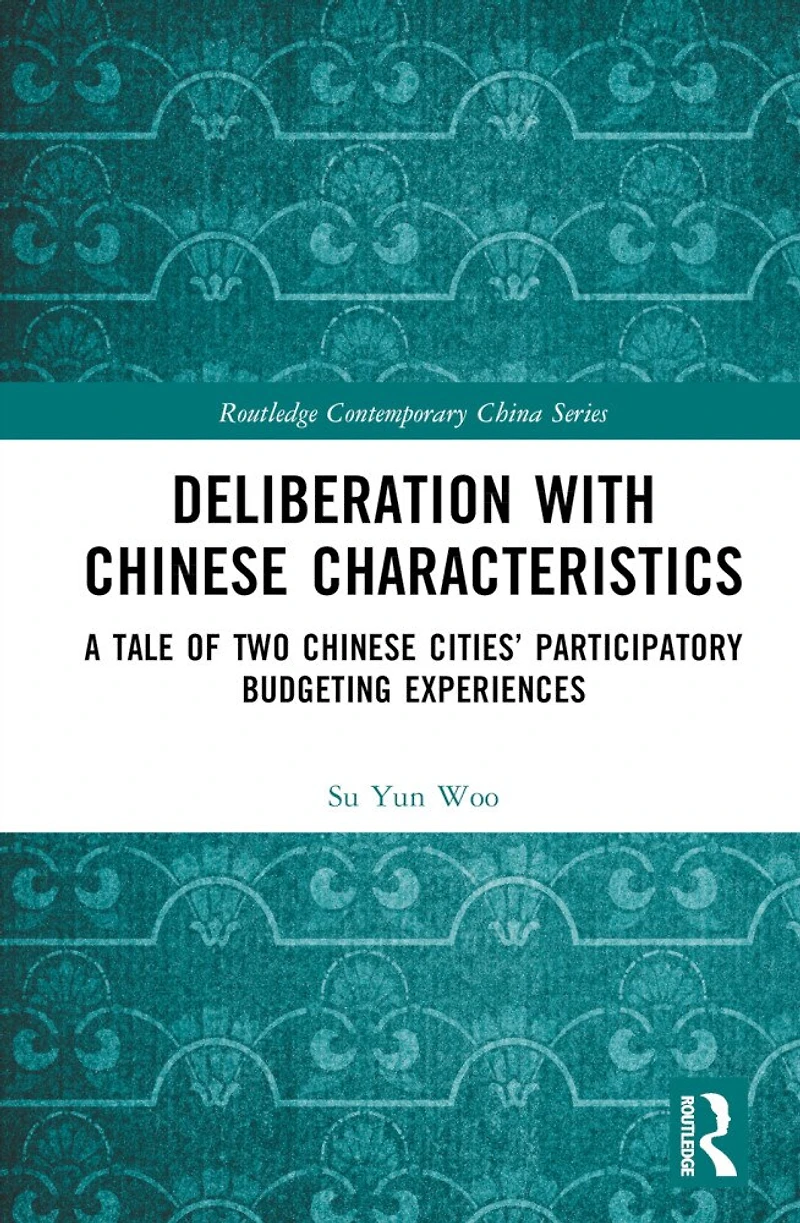
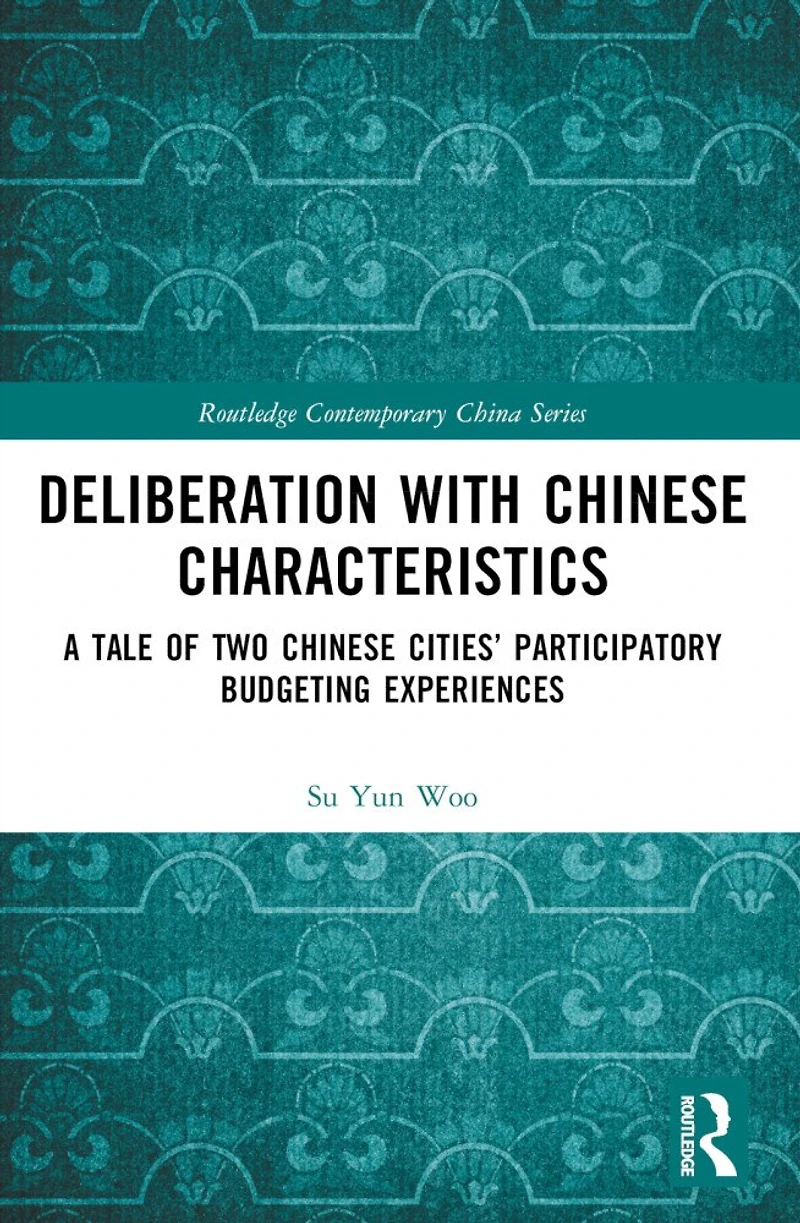
Deliberation with Chinese Characteristics: A Tale of Two Cities' Participatory Budgeting Experiences in Ottawa, ON
Current price: $266.50

Deliberation with Chinese Characteristics: A Tale of Two Cities' Participatory Budgeting Experiences in Ottawa, ON
Current price: $266.50
Loading Inventory...
Size: Hardcover
*Product information may vary - to confirm product availability, pricing, shipping and return information please contact Coles
Woo investigates examples of the Chinese government using methods normally associated with deliberative democracy to involve their citizenry in decision-making at a sub-national level. Despite the tightening of civil society under Xi there are still some opportunities for the Chinese people to articulate their opinions and participate in decision-making. The proliferation of deliberative democratic practices is motivated by the Communist Party of China's (CCP) strong governance logic, to strengthen regime legitimacy and stability. Woo examines deliberative participation through the lens of participatory budgeting in China, and investigates its impact on local governance. To make sense of this model of deliberative democratic governance in China, she unpacks the relationship between deliberative democracy and governance. This requires delving into the forms and functions of deliberation with Chinese characteristics, especially to show how they depart from the Western deliberative democratic experiences. What is the Chinese deliberative discourse in relation to the Western conception of deliberative democracy? How can the Chinese deliberative experience contribute to the concept of deliberative governance? How does deliberation impact upon local governance in China? An intriguing read both for scholars of Chinese politics and for political scientists looking at comparative examples of deliberative governance.
Woo investigates examples of the Chinese government using methods normally associated with deliberative democracy to involve their citizenry in decision-making at a sub-national level. Despite the tightening of civil society under Xi there are still some opportunities for the Chinese people to articulate their opinions and participate in decision-making. The proliferation of deliberative democratic practices is motivated by the Communist Party of China's (CCP) strong governance logic, to strengthen regime legitimacy and stability. Woo examines deliberative participation through the lens of participatory budgeting in China, and investigates its impact on local governance. To make sense of this model of deliberative democratic governance in China, she unpacks the relationship between deliberative democracy and governance. This requires delving into the forms and functions of deliberation with Chinese characteristics, especially to show how they depart from the Western deliberative democratic experiences. What is the Chinese deliberative discourse in relation to the Western conception of deliberative democracy? How can the Chinese deliberative experience contribute to the concept of deliberative governance? How does deliberation impact upon local governance in China? An intriguing read both for scholars of Chinese politics and for political scientists looking at comparative examples of deliberative governance.
You May Also Like

















More About Coles at Bayshore Shopping Centre
Coles is renowned for its outstanding customer service and great selection of books. Along with the vast array of magazines, stationary, audio-books, children's literature, fiction, non-fiction and reference books, you can find accessories to make your reading experience more pleasurable. We can recommend the very best in reading today. We will help you search our titles for exactly what you need, and if we do not have it in stock, we will order it for you.
100 Bayshore Dr, Nepean, ON K2B 8C1, Canada
Find Coles at Bayshore Shopping Centre in Ottawa, ON
Visit Coles at Bayshore Shopping Centre in Ottawa, ON