

Give the Gift of Choice!
Too many options? Treat your friends and family to their favourite stores with a Bayshore Shopping Centre gift card, redeemable at participating retailers throughout the centre. Click below to purchase yours today!Purchase HereHome
Depersonalized Bullying at Work: From Evidence to Conceptualization
Coles
Loading Inventory...
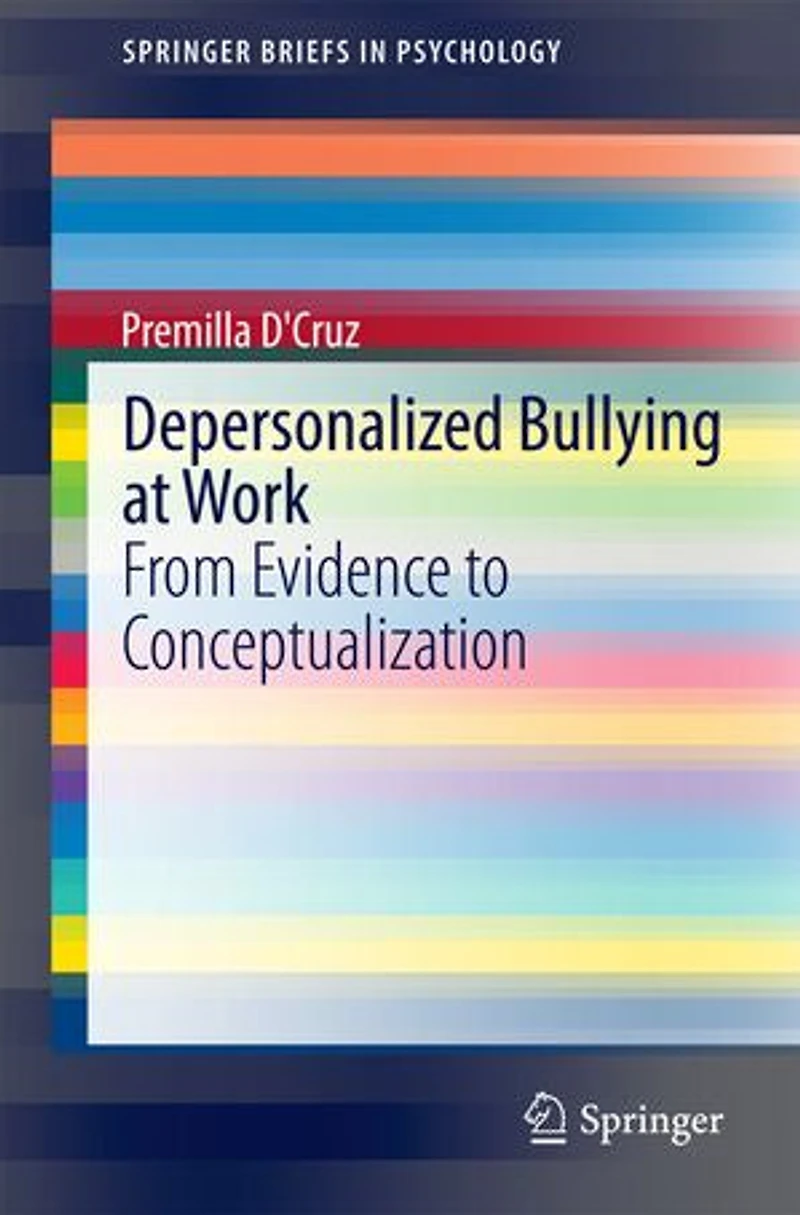
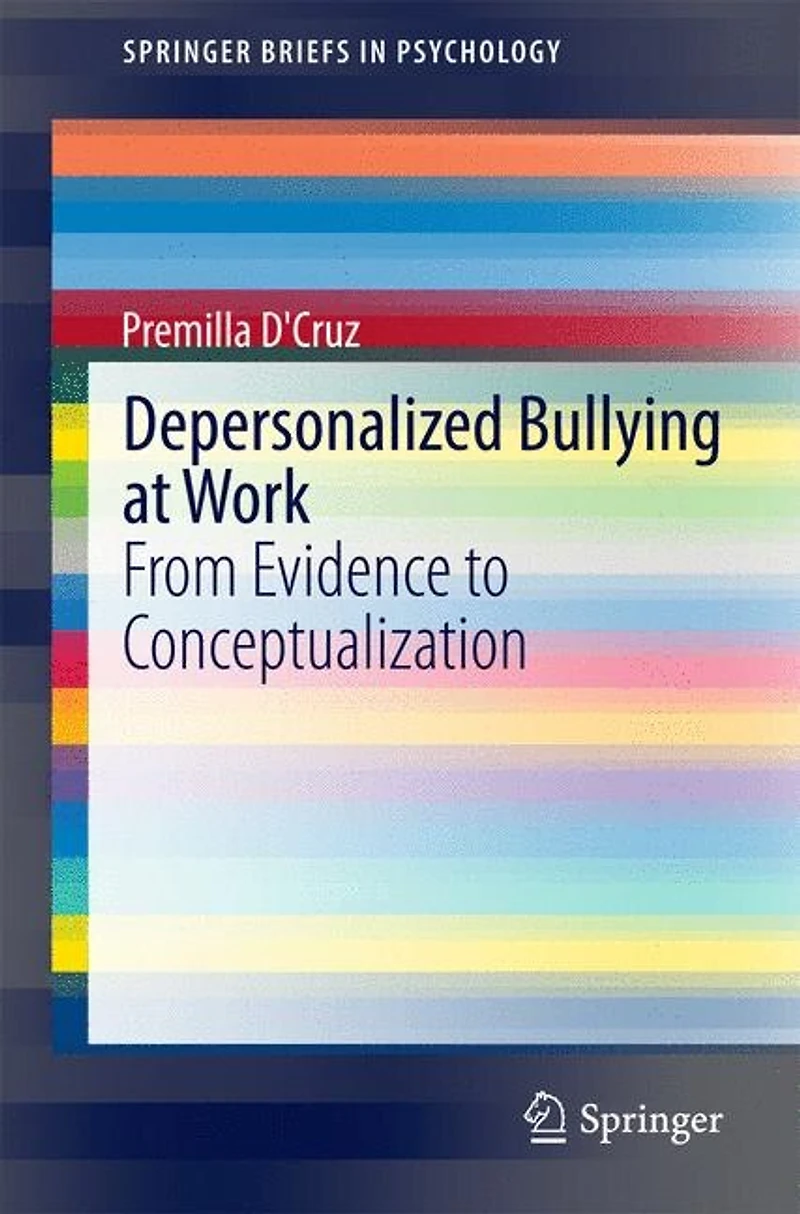
Depersonalized Bullying at Work: From Evidence to Conceptualization in Ottawa, ON
Current price: $64.49
Original price: $80.62

Depersonalized Bullying at Work: From Evidence to Conceptualization in Ottawa, ON
Current price: $64.49
Original price: $80.62
Loading Inventory...
Size: Kobo eBook
*Product information may vary - to confirm product availability, pricing, shipping and return information please contact Coles
The book advances the nascent concept of depersonalized workplace bullying, highlighting its distinctive features, proposing a theoretical framework and making recommendations for intervention. Furthering insights into depersonalized bullying at work is critical due to the anticipated increased incidence of the phenomenon in the light of the competitive contemporary business economy, which complicates organizational survival. Drawing on two hermeneutic phenomenological inquiries set in India focusing on targets and bullies, the book evidences that depersonalized bullying is a sociostructural entity that resides in an organization's structural, processual and contextual design. Enacted by supervisors and managers through the engagement of abusive and aggressive behaviours, depersonalized bullying is resorted to in the pursuit of competitive advantage as organizations seek to ensure their continuity and success. Given the instrumentalism associated with the world of work, targets and bullies encountering depersonalized bullying display largely ambivalent responses to their predicament. Ironically, then, organizations' gains in terms of effectiveness are offset by the strains experienced by these protagonists. The theoretical generalizability of the findings reported in the book facilitates the development of an integrated framework of depersonalized workplace bullying, laying the foundations for forthcoming empirical and measurement endeavours that progress the concept. The book recognizes that whereas primary level interventions mandate repositioning the extra-organizational environment and/or recasting organizational goals to balance business and employee interests, secondary level and tertiary level interventions encompass various types of formal and informal social support to address targets' and bullies' interface with depersonalized bullying at work.
The book advances the nascent concept of depersonalized workplace bullying, highlighting its distinctive features, proposing a theoretical framework and making recommendations for intervention. Furthering insights into depersonalized bullying at work is critical due to the anticipated increased incidence of the phenomenon in the light of the competitive contemporary business economy, which complicates organizational survival. Drawing on two hermeneutic phenomenological inquiries set in India focusing on targets and bullies, the book evidences that depersonalized bullying is a sociostructural entity that resides in an organization's structural, processual and contextual design. Enacted by supervisors and managers through the engagement of abusive and aggressive behaviours, depersonalized bullying is resorted to in the pursuit of competitive advantage as organizations seek to ensure their continuity and success. Given the instrumentalism associated with the world of work, targets and bullies encountering depersonalized bullying display largely ambivalent responses to their predicament. Ironically, then, organizations' gains in terms of effectiveness are offset by the strains experienced by these protagonists. The theoretical generalizability of the findings reported in the book facilitates the development of an integrated framework of depersonalized workplace bullying, laying the foundations for forthcoming empirical and measurement endeavours that progress the concept. The book recognizes that whereas primary level interventions mandate repositioning the extra-organizational environment and/or recasting organizational goals to balance business and employee interests, secondary level and tertiary level interventions encompass various types of formal and informal social support to address targets' and bullies' interface with depersonalized bullying at work.


















More About Coles at Bayshore Shopping Centre
Coles is renowned for its outstanding customer service and great selection of books. Along with the vast array of magazines, stationary, audio-books, children's literature, fiction, non-fiction and reference books, you can find accessories to make your reading experience more pleasurable. We can recommend the very best in reading today. We will help you search our titles for exactly what you need, and if we do not have it in stock, we will order it for you.
100 Bayshore Dr, Nepean, ON K2B 8C1, Canada
Find Coles at Bayshore Shopping Centre in Ottawa, ON
Visit Coles at Bayshore Shopping Centre in Ottawa, ON