

Give the Gift of Choice!
Too many options? Treat your friends and family to their favourite stores with a Bayshore Shopping Centre gift card, redeemable at participating retailers throughout the centre. Click below to purchase yours today!Purchase HereHome
Design Automation for Field-coupled Nanotechnologies
Coles
Loading Inventory...
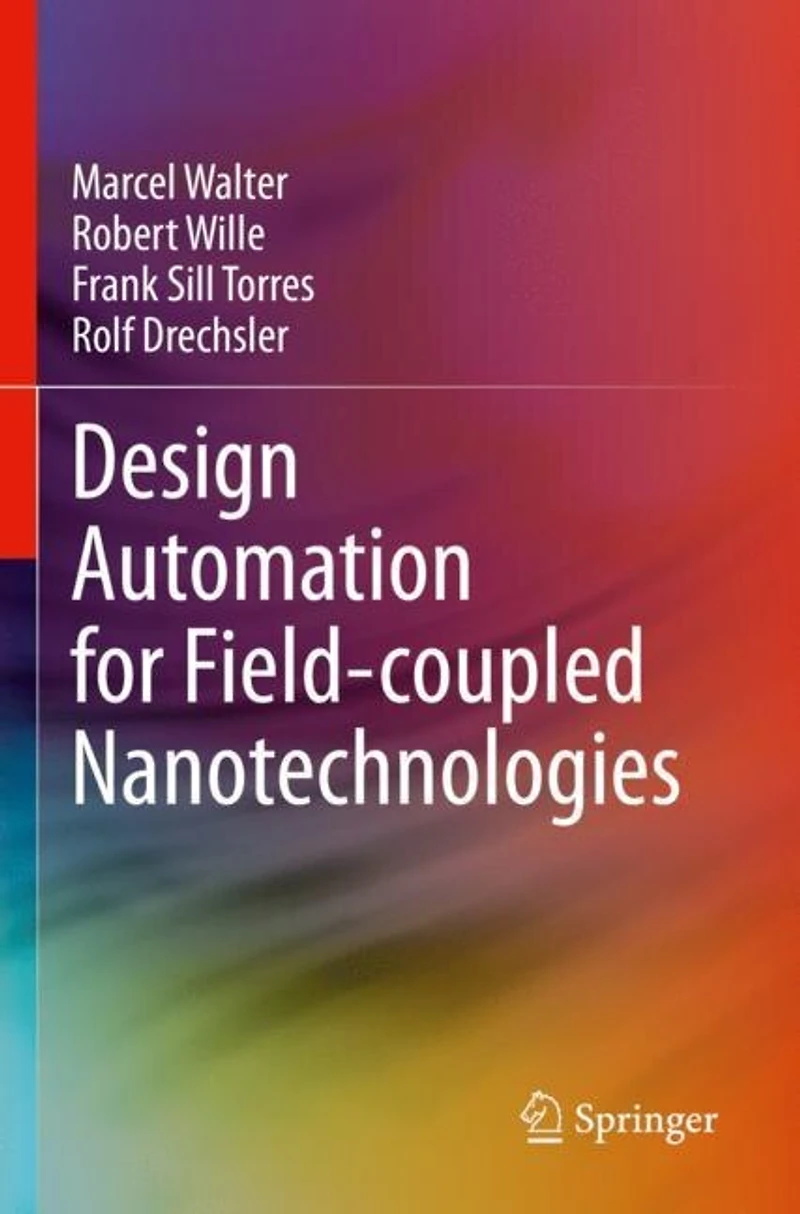
Design Automation for Field-coupled Nanotechnologies in Ottawa, ON
Current price: $160.95

Design Automation for Field-coupled Nanotechnologies in Ottawa, ON
Current price: $160.95
Loading Inventory...
Size: Paperback
*Product information may vary - to confirm product availability, pricing, shipping and return information please contact Coles
This book discusses the main tasks of Design Automation for Field-coupled Nanocomputing (FCN) technologies, in order to enable large-scale composition of elementary building blocks, that obtain correct systems from given function specifications. To this end, a holistic design flow is described, which covers exact and scalable placement & routing, one-pass logic synthesis, novel clocking mechanisms for data synchronization, and formal verification for obtained circuit layouts. Additionally, theoretical groundwork is presented that lays the foundation for any algorithmic consideration in the future. Furthermore, an open-source FCN design framework called fiction, which contains implementations of all proposed techniques, is presented and made publicly available. The approaches discussed in this book address obstacles that have existed since the conceptualization of the FCN paradigm and could not be resolved since then. As a result, this book substantially advances the state of the artin design automation for FCN technologies.
This book discusses the main tasks of Design Automation for Field-coupled Nanocomputing (FCN) technologies, in order to enable large-scale composition of elementary building blocks, that obtain correct systems from given function specifications. To this end, a holistic design flow is described, which covers exact and scalable placement & routing, one-pass logic synthesis, novel clocking mechanisms for data synchronization, and formal verification for obtained circuit layouts. Additionally, theoretical groundwork is presented that lays the foundation for any algorithmic consideration in the future. Furthermore, an open-source FCN design framework called fiction, which contains implementations of all proposed techniques, is presented and made publicly available. The approaches discussed in this book address obstacles that have existed since the conceptualization of the FCN paradigm and could not be resolved since then. As a result, this book substantially advances the state of the artin design automation for FCN technologies.
You May Also Like









More About Coles at Bayshore Shopping Centre
Coles is renowned for its outstanding customer service and great selection of books. Along with the vast array of magazines, stationary, audio-books, children's literature, fiction, non-fiction and reference books, you can find accessories to make your reading experience more pleasurable. We can recommend the very best in reading today. We will help you search our titles for exactly what you need, and if we do not have it in stock, we will order it for you.
100 Bayshore Dr, Nepean, ON K2B 8C1, Canada
Find Coles at Bayshore Shopping Centre in Ottawa, ON
Visit Coles at Bayshore Shopping Centre in Ottawa, ON