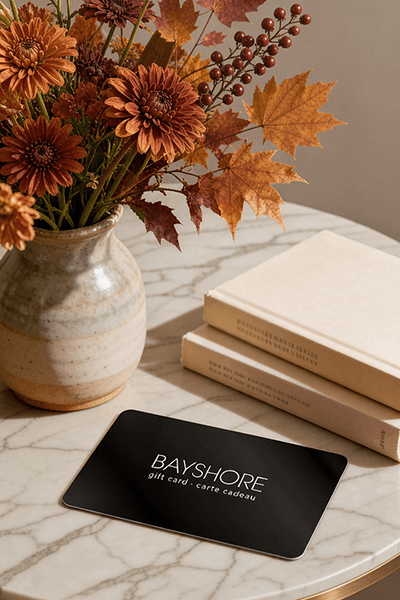
Too many options? Treat your friends and family to their favourite stores with a Bayshore Shopping Centre gift card, redeemable at participating retailers throughout the centre. Click below to purchase yours today!Purchase Here
Coles Desire: Love Stories in Western Culture at Bayshore Shopping Centre in Ottawa, ON
*Product information may vary - to confirm product availability, pricing, shipping and return information please contact Coles
In the light of poststructuralist theory, and with reference to the work of Lacan and Derrida in particular, Catherine Belsey argues that fiction - including poetry, drama and film - is paradoxically the most serious location of writing about desire in Western cultura. Beginning with the celebration of true love in contemporary popular romance, and the reluctant scepticism of postmodern novels, she goes on to explore past representation of passion by Chretien de Troyes, Malory, Spenser, Donne, Keats, Edgar Allan Poe, Tennyson and Bram Stoker. Belsey also discusses the role of desire in the utopian writings of Plato, More and William Morris, as well as its treatment by a range of speculative feminists, from Charlotte perkins Gilman to Marge Piercy.
In the light of poststructuralist theory, and with reference to the work of Lacan and Derrida in particular, Catherine Belsey argues that fiction - including poetry, drama and film - is paradoxically the most serious location of writing about desire in Western cultura. Beginning with the celebration of true love in contemporary popular romance, and the reluctant scepticism of postmodern novels, she goes on to explore past representation of passion by Chretien de Troyes, Malory, Spenser, Donne, Keats, Edgar Allan Poe, Tennyson and Bram Stoker. Belsey also discusses the role of desire in the utopian writings of Plato, More and William Morris, as well as its treatment by a range of speculative feminists, from Charlotte perkins Gilman to Marge Piercy.
Coles is renowned for its outstanding customer service and great selection of books. Along with the vast array of magazines, stationary, audio-books, children's literature, fiction, non-fiction and reference books, you can find accessories to make your reading experience more pleasurable. We can recommend the very best in reading today. We will help you search our titles for exactly what you need, and if we do not have it in stock, we will order it for you.