

Give the Gift of Choice!
Too many options? Treat your friends and family to their favourite stores with a Bayshore Shopping Centre gift card, redeemable at participating retailers throughout the centre. Click below to purchase yours today!Purchase HereHome
Developing a Model for Culturally Responsive Experiential Education: Teachers as Allies Student Journeys of Decolonization
Coles
Loading Inventory...
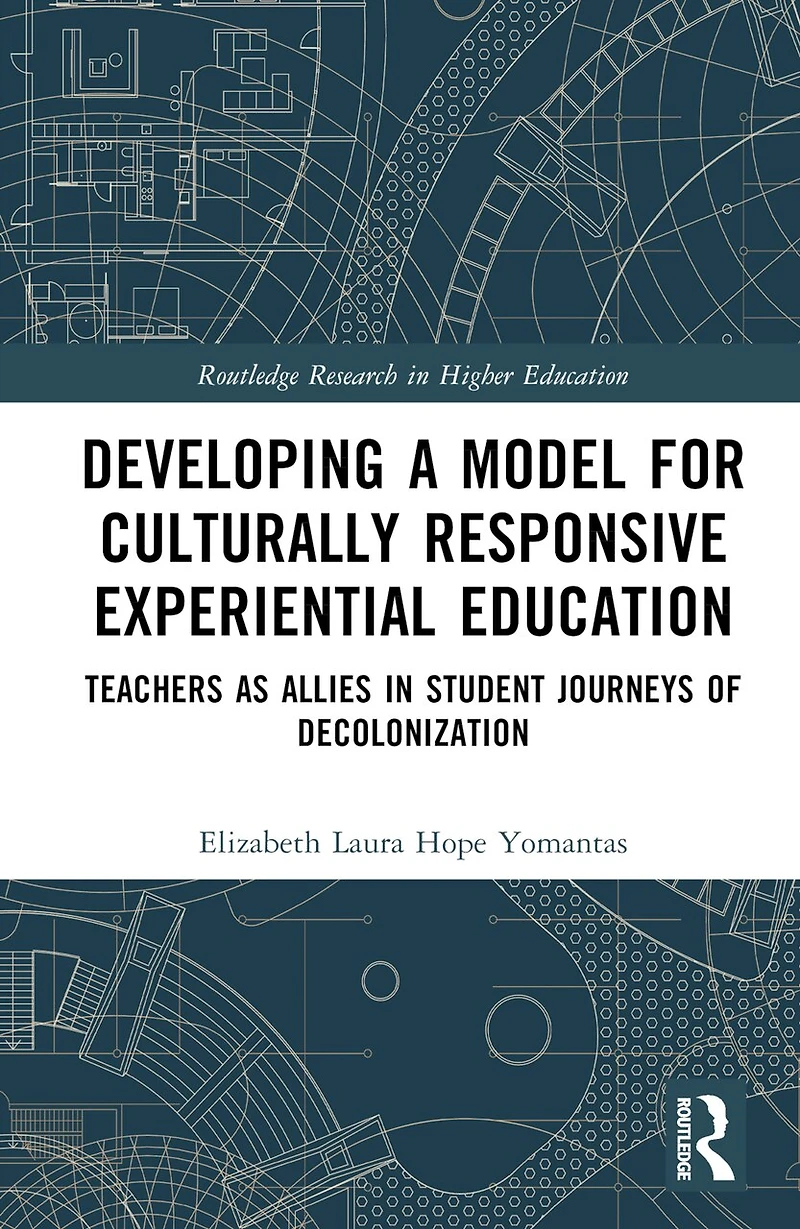
Developing a Model for Culturally Responsive Experiential Education: Teachers as Allies Student Journeys of Decolonization in Ottawa, ON
Current price: $296.50

Developing a Model for Culturally Responsive Experiential Education: Teachers as Allies Student Journeys of Decolonization in Ottawa, ON
Current price: $296.50
Loading Inventory...
Size: Hardcover
*Product information may vary - to confirm product availability, pricing, shipping and return information please contact Coles
This book provides a new, empirically informed framework designed to equip higher education faculty with the tools to help students engage in humanizing, mutually beneficial, and anti-colonial experiential education alongside other students and communities around the world. The author maps the conceptual development of culturally responsive experiential education (CREE) as a novel framework, situated at the nexus of culturally responsive research methodologies, the Indigenous research paradigm, critical service learning, and critical pedagogy in experiential education. The chapters detail qualitative research findings from an undergraduate CREE program in rural Fiji to illustrate the implementation of the novel CREE framework and discuss post-program possibilities based on the research study findings. Situated in narrative inquiry, the book also includes interspersed participant vignettes in order to center student voices and illuminate the research study findings. With attention to themes including emergent critical consciousness, critical allyship, and personal journeys of decolonization as experienced through the CREE framework, it will be of benefit to both education scholars and higher education faculty interested in experiential education and culturally responsive pedagogies.
This book provides a new, empirically informed framework designed to equip higher education faculty with the tools to help students engage in humanizing, mutually beneficial, and anti-colonial experiential education alongside other students and communities around the world. The author maps the conceptual development of culturally responsive experiential education (CREE) as a novel framework, situated at the nexus of culturally responsive research methodologies, the Indigenous research paradigm, critical service learning, and critical pedagogy in experiential education. The chapters detail qualitative research findings from an undergraduate CREE program in rural Fiji to illustrate the implementation of the novel CREE framework and discuss post-program possibilities based on the research study findings. Situated in narrative inquiry, the book also includes interspersed participant vignettes in order to center student voices and illuminate the research study findings. With attention to themes including emergent critical consciousness, critical allyship, and personal journeys of decolonization as experienced through the CREE framework, it will be of benefit to both education scholars and higher education faculty interested in experiential education and culturally responsive pedagogies.
You May Also Like









More About Coles at Bayshore Shopping Centre
Coles is renowned for its outstanding customer service and great selection of books. Along with the vast array of magazines, stationary, audio-books, children's literature, fiction, non-fiction and reference books, you can find accessories to make your reading experience more pleasurable. We can recommend the very best in reading today. We will help you search our titles for exactly what you need, and if we do not have it in stock, we will order it for you.
100 Bayshore Dr, Nepean, ON K2B 8C1, Canada
Find Coles at Bayshore Shopping Centre in Ottawa, ON
Visit Coles at Bayshore Shopping Centre in Ottawa, ON