

Give the Gift of Choice!
Too many options? Treat your friends and family to their favourite stores with a Bayshore Shopping Centre gift card, redeemable at participating retailers throughout the centre. Click below to purchase yours today!Purchase HereHome
Dewey, Heidegger, and the Future of Education: Beyondness and Becoming
Coles
Loading Inventory...
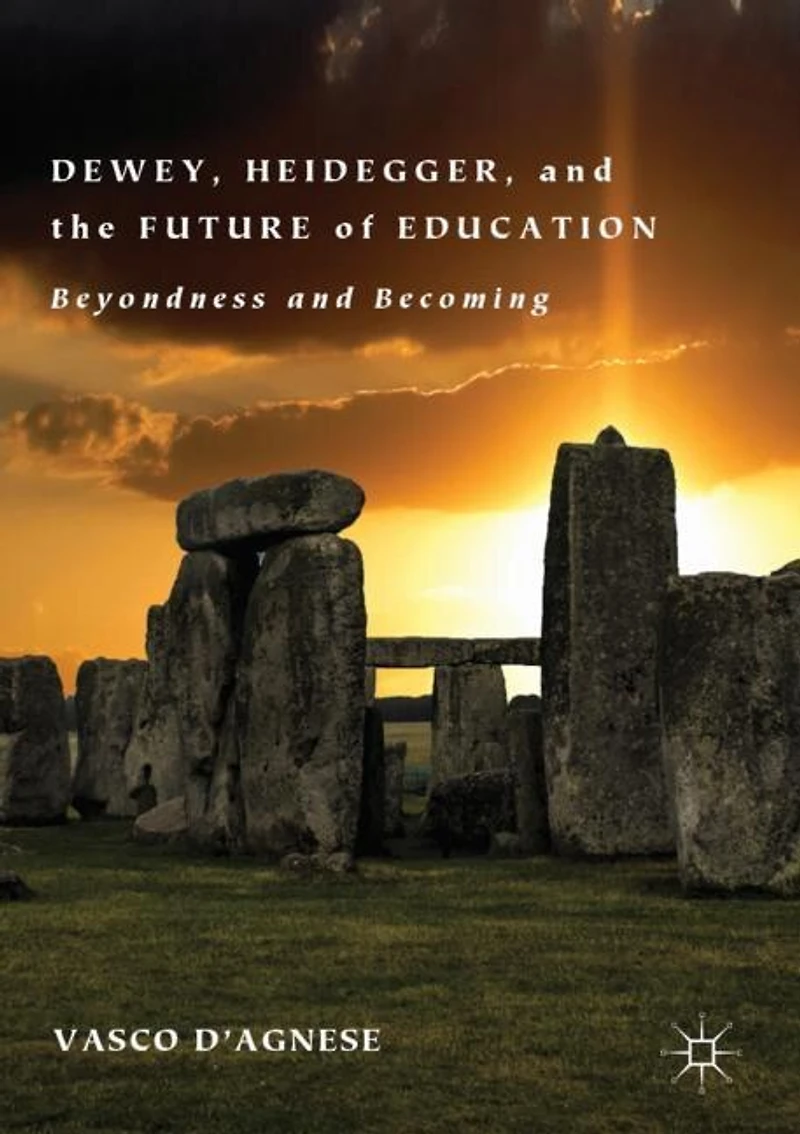
Dewey, Heidegger, and the Future of Education: Beyondness and Becoming in Ottawa, ON
Current price: $80.50

Dewey, Heidegger, and the Future of Education: Beyondness and Becoming in Ottawa, ON
Current price: $80.50
Loading Inventory...
Size: Paperback
*Product information may vary - to confirm product availability, pricing, shipping and return information please contact Coles
Drawing on insights into the philosophies of Dewey and Heidegger, this book moves forward the greater philosophical discourse surrounding education. It illuminates deep affinities between the corresponding traditions of Dewey and Heidegger, broadly labeled hermeneutics and pragmatism, and in doing so reveals the potential of the Dewey-Heidegger comparison for the future of education. To accomplish this task, Vasco d'Agnese explores the Deweyan and Heideggerian understanding of existence and experience. Both thinkers believed that humans are vulnerable from the very beginning, delivered to an uncanny and uncertain condition. On the other hand, such an uncanniness and dependency, rather than flowing in nihilistic defeat of educational purposes, puts radical responsibility on the side of the subject. It is, then, educationally promising. The book explains that for both Dewey and Heidegger, being a subject means being-with-others while transcending and advancing one's boundaries, thus challenging the managerial framework of education that currently dominates educational institutions throughout the world.
Drawing on insights into the philosophies of Dewey and Heidegger, this book moves forward the greater philosophical discourse surrounding education. It illuminates deep affinities between the corresponding traditions of Dewey and Heidegger, broadly labeled hermeneutics and pragmatism, and in doing so reveals the potential of the Dewey-Heidegger comparison for the future of education. To accomplish this task, Vasco d'Agnese explores the Deweyan and Heideggerian understanding of existence and experience. Both thinkers believed that humans are vulnerable from the very beginning, delivered to an uncanny and uncertain condition. On the other hand, such an uncanniness and dependency, rather than flowing in nihilistic defeat of educational purposes, puts radical responsibility on the side of the subject. It is, then, educationally promising. The book explains that for both Dewey and Heidegger, being a subject means being-with-others while transcending and advancing one's boundaries, thus challenging the managerial framework of education that currently dominates educational institutions throughout the world.
You May Also Like













More About Coles at Bayshore Shopping Centre
Coles is renowned for its outstanding customer service and great selection of books. Along with the vast array of magazines, stationary, audio-books, children's literature, fiction, non-fiction and reference books, you can find accessories to make your reading experience more pleasurable. We can recommend the very best in reading today. We will help you search our titles for exactly what you need, and if we do not have it in stock, we will order it for you.
100 Bayshore Dr, Nepean, ON K2B 8C1, Canada
Find Coles at Bayshore Shopping Centre in Ottawa, ON
Visit Coles at Bayshore Shopping Centre in Ottawa, ON