

Give the Gift of Choice!
Too many options? Treat your friends and family to their favourite stores with a Bayshore Shopping Centre gift card, redeemable at participating retailers throughout the centre. Click below to purchase yours today!Purchase HereHome
Differing Views of the O. J. Simpson Trial - A Social Identity Perspective
Coles
Loading Inventory...
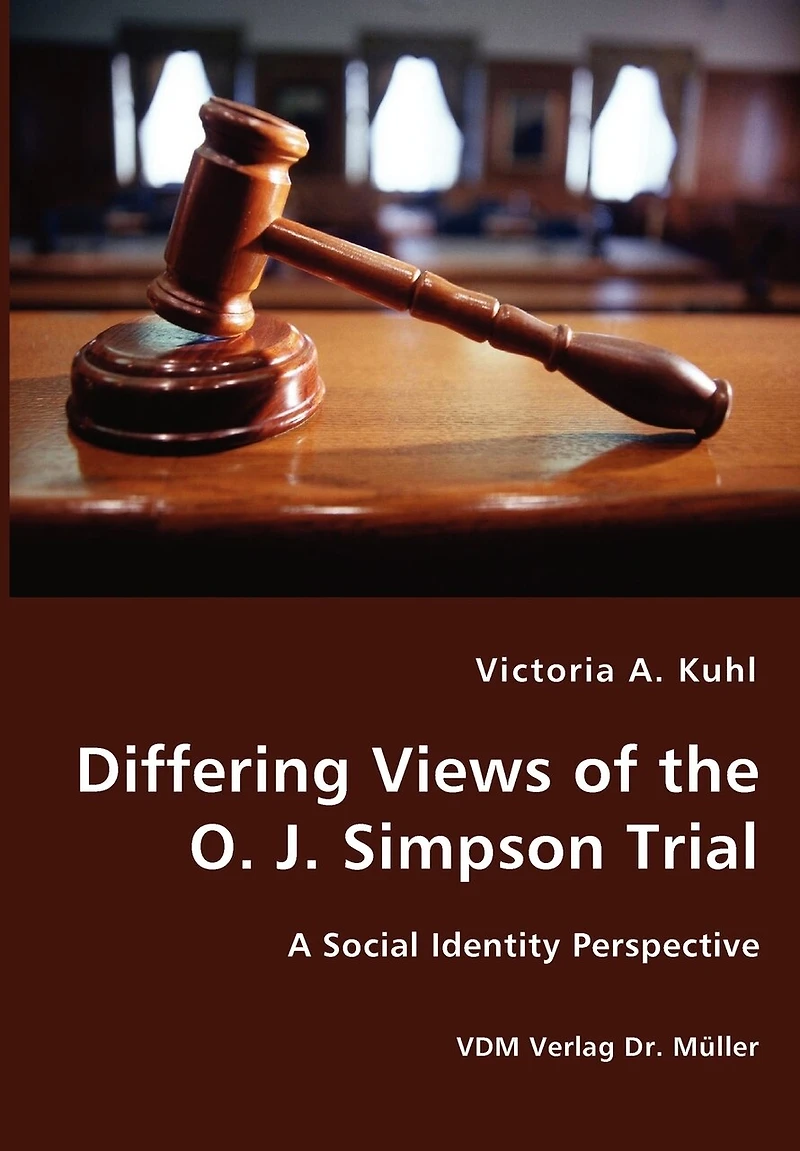
Differing Views of the O. J. Simpson Trial - A Social Identity Perspective in Ottawa, ON
Current price: $110.95

Differing Views of the O. J. Simpson Trial - A Social Identity Perspective in Ottawa, ON
Current price: $110.95
Loading Inventory...
Size: Paperback
*Product information may vary - to confirm product availability, pricing, shipping and return information please contact Coles
The O. J. Simpson criminal trial was a social event that generated extensive public discourse and a search for causes. The dramatic differences of opinion between Black and White Americans about the case seemed to reflect broader disparities in social perception, particularly perceptions of the nature of racial/ethnic group relations in American society. This project involved the testing of a theoretical model, derived from social identity and intergroup attribution theory, to predict social perceptions associated with attitudes about the case. Black and White Americans were surveyed to assess their views of racial/ethnic group stratification, the importance of racial/ethnic group membership to self-identity, and perceptions of threat from the outgroup. These factors, in combination, were highly predictive of the intensity of respondents' beliefs about O. J. Simpson's guilt or innocence. This work will be of interest to social psychologists, sociologists, and others interested in how ordinary people interpret controversial social events, particularly those that have relevance to current social conflicts.
The O. J. Simpson criminal trial was a social event that generated extensive public discourse and a search for causes. The dramatic differences of opinion between Black and White Americans about the case seemed to reflect broader disparities in social perception, particularly perceptions of the nature of racial/ethnic group relations in American society. This project involved the testing of a theoretical model, derived from social identity and intergroup attribution theory, to predict social perceptions associated with attitudes about the case. Black and White Americans were surveyed to assess their views of racial/ethnic group stratification, the importance of racial/ethnic group membership to self-identity, and perceptions of threat from the outgroup. These factors, in combination, were highly predictive of the intensity of respondents' beliefs about O. J. Simpson's guilt or innocence. This work will be of interest to social psychologists, sociologists, and others interested in how ordinary people interpret controversial social events, particularly those that have relevance to current social conflicts.
You May Also Like




![The Struggles, Social, Financial And Political, Of Petroleum V. Nasby [pseud.]: Embracing His Trials And Troubles, Ups And Downs, Rejoicings And Wailings, Likewise His Views Of Men And Things, Embracing The Period Of American History From 1860 To](https://cdn.mall.adeptmind.ai/https%253A%252F%252Fcdn.shopify.com%252Fs%252Ffiles%252F1%252F0655%252F8980%252F5233%252Ffiles%252F1_6334652d-fb90-4fcb-931b-09afe10b729e.jpg_medium.webp)










More About Coles at Bayshore Shopping Centre
Coles is renowned for its outstanding customer service and great selection of books. Along with the vast array of magazines, stationary, audio-books, children's literature, fiction, non-fiction and reference books, you can find accessories to make your reading experience more pleasurable. We can recommend the very best in reading today. We will help you search our titles for exactly what you need, and if we do not have it in stock, we will order it for you.
100 Bayshore Dr, Nepean, ON K2B 8C1, Canada
Find Coles at Bayshore Shopping Centre in Ottawa, ON
Visit Coles at Bayshore Shopping Centre in Ottawa, ON