

Give the Gift of Choice!
Too many options? Treat your friends and family to their favourite stores with a Bayshore Shopping Centre gift card, redeemable at participating retailers throughout the centre. Click below to purchase yours today!Purchase HereHome
Dilemmas of Brazilian Grand Strategy
Coles
Loading Inventory...
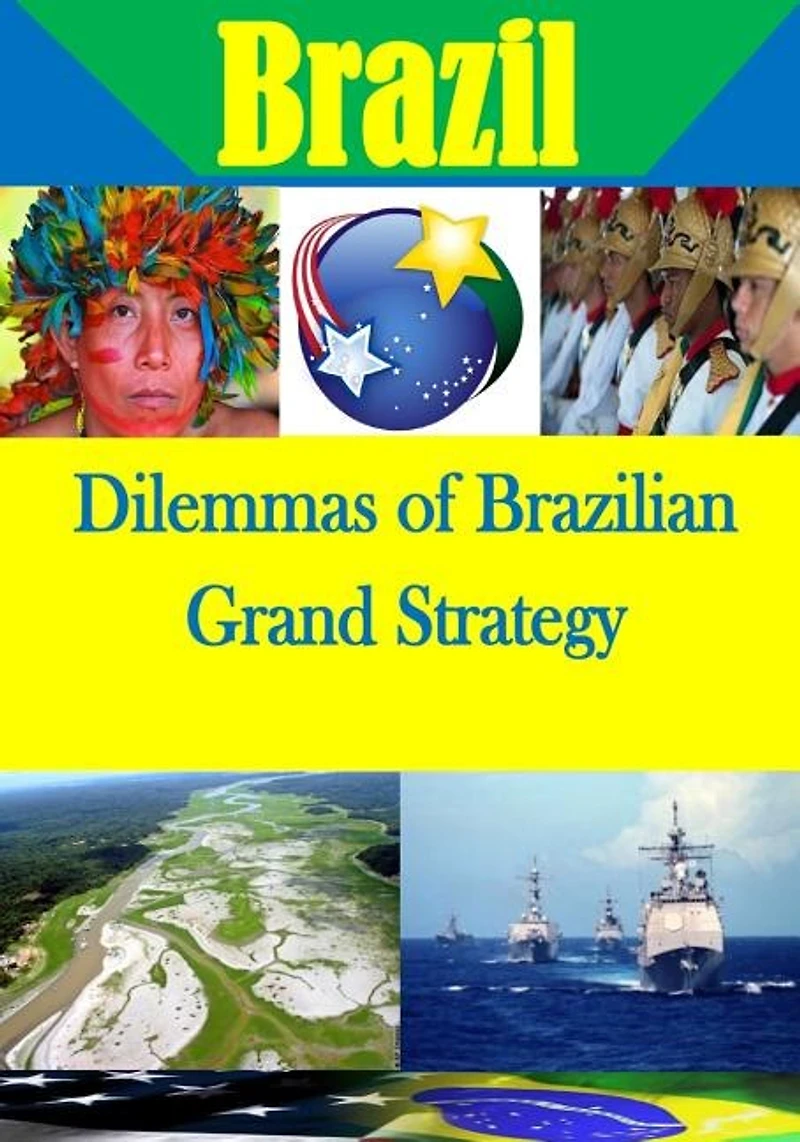
Dilemmas of Brazilian Grand Strategy in Ottawa, ON
Current price: $19.50

Dilemmas of Brazilian Grand Strategy in Ottawa, ON
Current price: $19.50
Loading Inventory...
Size: Paperback
*Product information may vary - to confirm product availability, pricing, shipping and return information please contact Coles
This book analyzes Brazilian grand strategy under President Luiz Inácio Lula da Silva. During Lula's nearly 8 years in office, he has pursued a multipronged grand strategy aimed at hastening the transition from unipolarity and Western economic hegemony to a multipolar order in which international rules, norms, and institutions are more favorable to Brazilian interests. Lula has done so by emphasizing three diplomatic strategies: soft balancing against the United States, building coalitions to magnify Brazilian negotiating power, and seeking to position Brazil as the leader of a more united South America.This strategy has successfully raised Brazil's profile and increased its diplomatic flexibility, but it has also exposed the country to four potent strategic dilemmas that could complicate or undermine its ascent. First, issues like poor infrastructure, rampant crime, and excessive taxation and regulation of the economy may impede Brazil from attaining the strong economic growth and social cohesion necessary to sustain such an ambitious strategic project. Second, in dealing with South America, the Brazilian political class has not reconciled its desire for regional leadership with its unwillingness to share power or economic benefits with its neighbors. As a result, many of these countries perceive Brazil's diplomacy to be domineering and its trade policies to be narrowly self-interested, and they have thus refused to support Lula's bid for regional preeminence. Third, at the global level, the long-termcohesion and effectiveness of Lula's various diplomatic partnerships is open to question. Fourth, while Lula has maintained good relations with Washington, his grand strategy unavoidably entails a growing risk of conflict over issues like Iran, trade policy, and the U.S. diplomatic and military role in Latin America.Looking ahead, the efficacy of Brazilian grand strategy- and its consequences for U.S. interests-will be contingent on how Lula's successors address these dilemmas.
This book analyzes Brazilian grand strategy under President Luiz Inácio Lula da Silva. During Lula's nearly 8 years in office, he has pursued a multipronged grand strategy aimed at hastening the transition from unipolarity and Western economic hegemony to a multipolar order in which international rules, norms, and institutions are more favorable to Brazilian interests. Lula has done so by emphasizing three diplomatic strategies: soft balancing against the United States, building coalitions to magnify Brazilian negotiating power, and seeking to position Brazil as the leader of a more united South America.This strategy has successfully raised Brazil's profile and increased its diplomatic flexibility, but it has also exposed the country to four potent strategic dilemmas that could complicate or undermine its ascent. First, issues like poor infrastructure, rampant crime, and excessive taxation and regulation of the economy may impede Brazil from attaining the strong economic growth and social cohesion necessary to sustain such an ambitious strategic project. Second, in dealing with South America, the Brazilian political class has not reconciled its desire for regional leadership with its unwillingness to share power or economic benefits with its neighbors. As a result, many of these countries perceive Brazil's diplomacy to be domineering and its trade policies to be narrowly self-interested, and they have thus refused to support Lula's bid for regional preeminence. Third, at the global level, the long-termcohesion and effectiveness of Lula's various diplomatic partnerships is open to question. Fourth, while Lula has maintained good relations with Washington, his grand strategy unavoidably entails a growing risk of conflict over issues like Iran, trade policy, and the U.S. diplomatic and military role in Latin America.Looking ahead, the efficacy of Brazilian grand strategy- and its consequences for U.S. interests-will be contingent on how Lula's successors address these dilemmas.
You May Also Like







More About Coles at Bayshore Shopping Centre
Coles is renowned for its outstanding customer service and great selection of books. Along with the vast array of magazines, stationary, audio-books, children's literature, fiction, non-fiction and reference books, you can find accessories to make your reading experience more pleasurable. We can recommend the very best in reading today. We will help you search our titles for exactly what you need, and if we do not have it in stock, we will order it for you.
100 Bayshore Dr, Nepean, ON K2B 8C1, Canada
Find Coles at Bayshore Shopping Centre in Ottawa, ON
Visit Coles at Bayshore Shopping Centre in Ottawa, ON