

Give the Gift of Choice!
Too many options? Treat your friends and family to their favourite stores with a Bayshore Shopping Centre gift card, redeemable at participating retailers throughout the centre. Click below to purchase yours today!Purchase HereHome
Distress Risk and Corporate Failure Modelling: the State of Art
Coles
Loading Inventory...
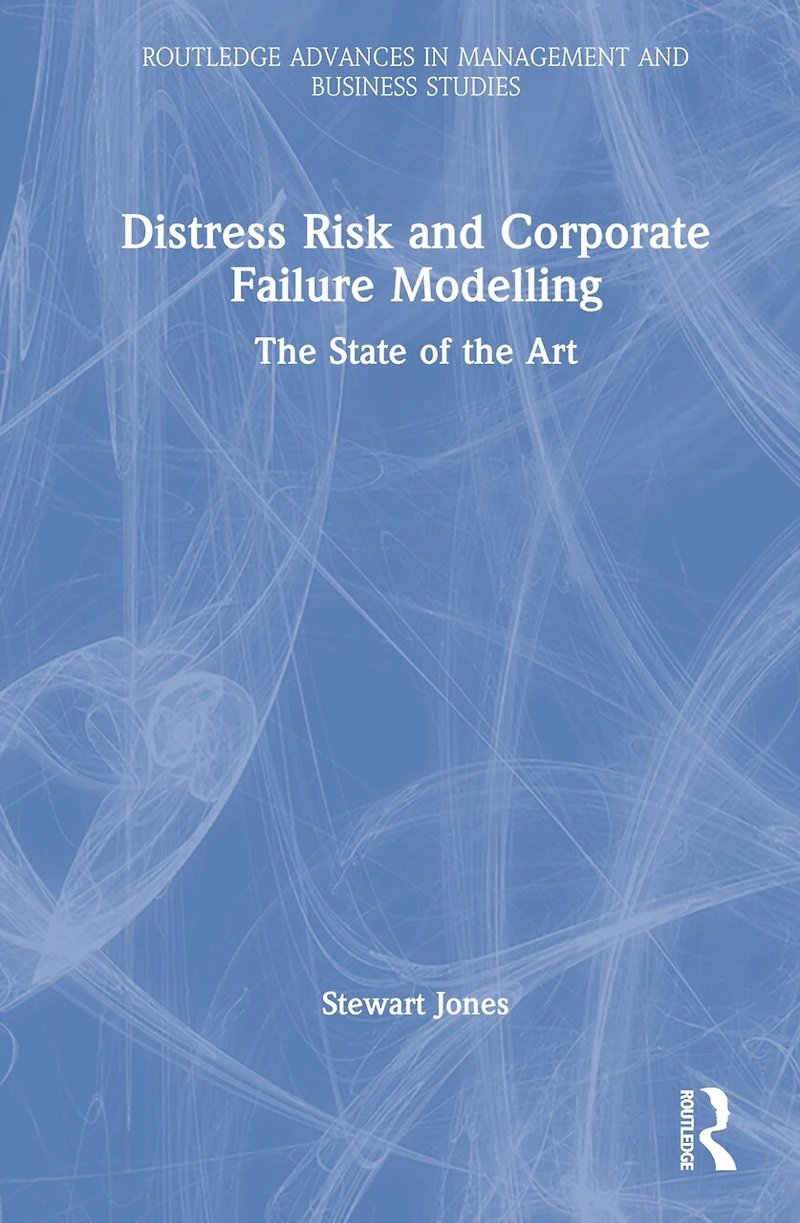
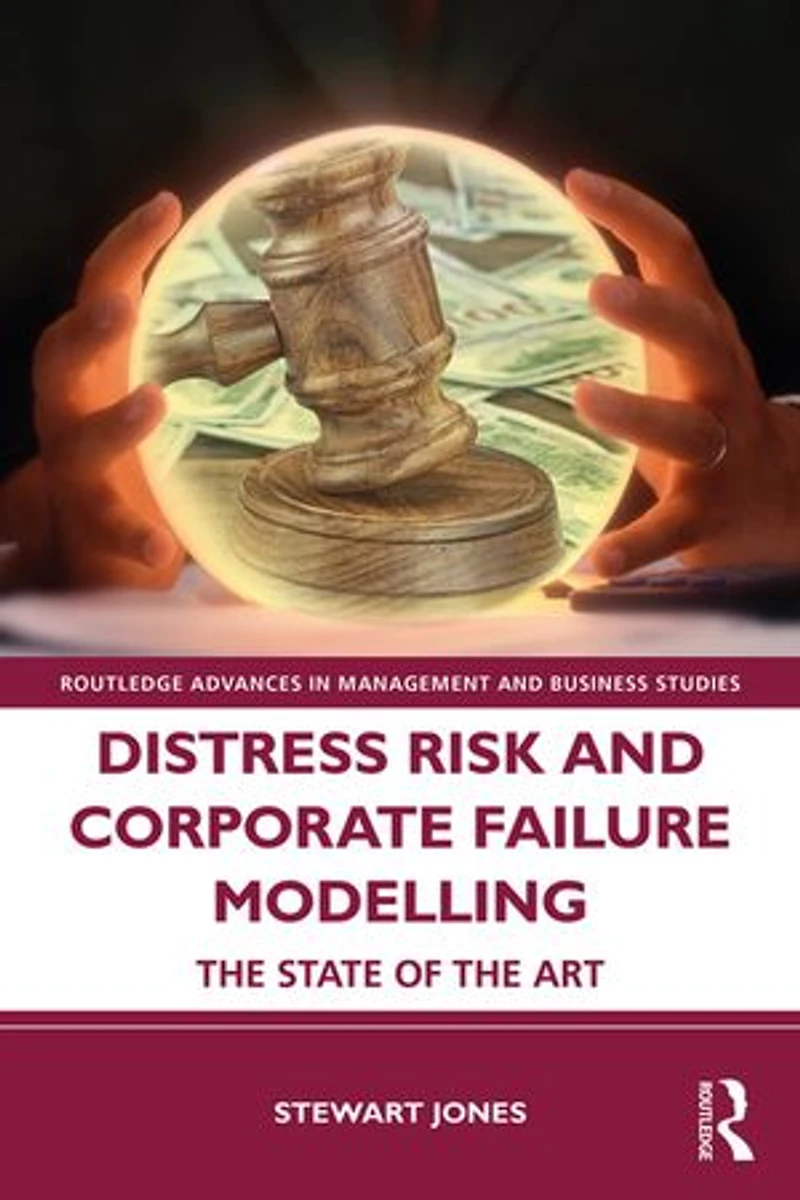
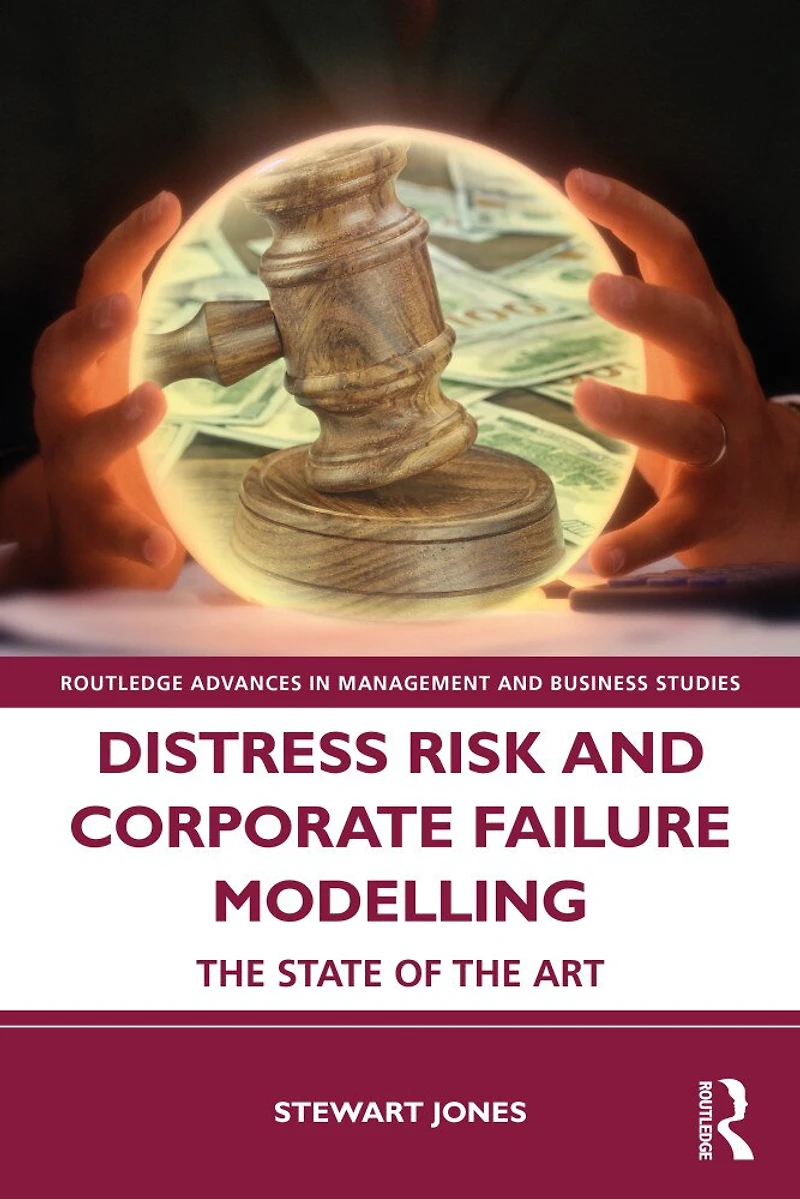
Distress Risk and Corporate Failure Modelling: the State of Art in Ottawa, ON
Current price: $346.50

Distress Risk and Corporate Failure Modelling: the State of Art in Ottawa, ON
Current price: $346.50
Loading Inventory...
Size: Hardcover
*Product information may vary - to confirm product availability, pricing, shipping and return information please contact Coles
This book is an introduction text to distress risk and corporate failure modelling techniques. It illustrates how to apply a wide range of corporate bankruptcy prediction models and, in turn, highlights their strengths and limitations under different circumstances. It also conceptualises the role and function of different classifiers in terms of a trade-off between model flexibility and interpretability. Jones's illustrations and applications are based on actual company failure data and samples. Its practical and lucid presentation of basic concepts covers various statistical learning approaches, including machine learning, which has come into prominence in recent years. The material covered will help readers better understand a broad range of statistical learning models, ranging from relatively simple techniques, such as linear discriminant analysis, to state-of-the-art machine learning methods, such as gradient boosting machines, adaptive boosting, random forests, and deep learning. The book's comprehensive review and use of real-life data will make this a valuable, easy-to-read text for researchers, academics, institutions, and professionals who make use of distress risk and corporate failure forecasts.
This book is an introduction text to distress risk and corporate failure modelling techniques. It illustrates how to apply a wide range of corporate bankruptcy prediction models and, in turn, highlights their strengths and limitations under different circumstances. It also conceptualises the role and function of different classifiers in terms of a trade-off between model flexibility and interpretability. Jones's illustrations and applications are based on actual company failure data and samples. Its practical and lucid presentation of basic concepts covers various statistical learning approaches, including machine learning, which has come into prominence in recent years. The material covered will help readers better understand a broad range of statistical learning models, ranging from relatively simple techniques, such as linear discriminant analysis, to state-of-the-art machine learning methods, such as gradient boosting machines, adaptive boosting, random forests, and deep learning. The book's comprehensive review and use of real-life data will make this a valuable, easy-to-read text for researchers, academics, institutions, and professionals who make use of distress risk and corporate failure forecasts.
You May Also Like









More About Coles at Bayshore Shopping Centre
Coles is renowned for its outstanding customer service and great selection of books. Along with the vast array of magazines, stationary, audio-books, children's literature, fiction, non-fiction and reference books, you can find accessories to make your reading experience more pleasurable. We can recommend the very best in reading today. We will help you search our titles for exactly what you need, and if we do not have it in stock, we will order it for you.
100 Bayshore Dr, Nepean, ON K2B 8C1, Canada
Find Coles at Bayshore Shopping Centre in Ottawa, ON
Visit Coles at Bayshore Shopping Centre in Ottawa, ON