

Give the Gift of Choice!
Too many options? Treat your friends and family to their favourite stores with a Bayshore Shopping Centre gift card, redeemable at participating retailers throughout the centre. Click below to purchase yours today!Purchase HereHome
Diversity Violence and Recognition by Elisabeth King, Paperback | Indigo Chapters
Coles
Loading Inventory...
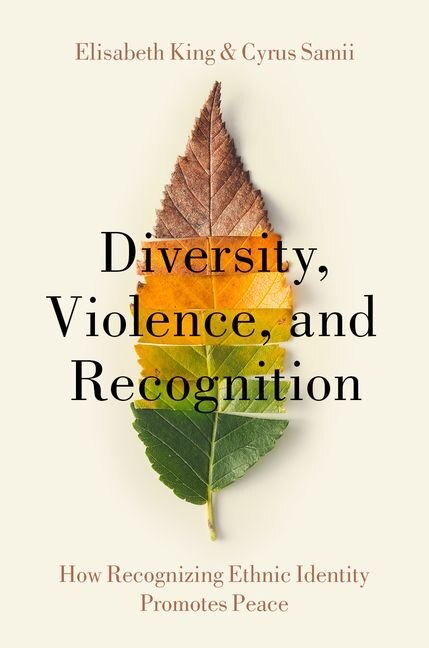
Diversity Violence and Recognition by Elisabeth King, Paperback | Indigo Chapters in Ottawa, ON
By Elisabeth King
Current price: $50.70

By Elisabeth King
Diversity Violence and Recognition by Elisabeth King, Paperback | Indigo Chapters in Ottawa, ON
Current price: $50.70
Loading Inventory...
Size: 1 x 9.25 x 347
*Product information may vary - to confirm product availability, pricing, shipping and return information please contact Coles
When considering strategies to address violent conflict, scholars and policymakers debate the wisdom of recognizing versus avoiding reference to ethnic identities in government institutions. In Diversity, Violence, and Recognition, Elisabeth King and Cyrus Samii examine the reasons thatgovernments choose to recognize ethnic identities and the consequences of such choices for peace. The authors introduce a theory on the merits and risks of recognizing ethnic groups in state institutions, pointing to the crucial role of ethnic demographics. Through a global quantitative analysis andin-depth case studies of Burundi, Rwanda, and Ethiopia, they find promise in recognition. Countries that adopt recognition go on to experience less violence, more economic vitality, and more democratic politics, but these effects depend on which ethnic group is in power. King and Samii's findingsare important for scholars studying peace, democracy, and development, and practically relevant to policymakers attempting to make these concepts a reality. | Diversity Violence and Recognition by Elisabeth King, Paperback | Indigo Chapters
When considering strategies to address violent conflict, scholars and policymakers debate the wisdom of recognizing versus avoiding reference to ethnic identities in government institutions. In Diversity, Violence, and Recognition, Elisabeth King and Cyrus Samii examine the reasons thatgovernments choose to recognize ethnic identities and the consequences of such choices for peace. The authors introduce a theory on the merits and risks of recognizing ethnic groups in state institutions, pointing to the crucial role of ethnic demographics. Through a global quantitative analysis andin-depth case studies of Burundi, Rwanda, and Ethiopia, they find promise in recognition. Countries that adopt recognition go on to experience less violence, more economic vitality, and more democratic politics, but these effects depend on which ethnic group is in power. King and Samii's findingsare important for scholars studying peace, democracy, and development, and practically relevant to policymakers attempting to make these concepts a reality. | Diversity Violence and Recognition by Elisabeth King, Paperback | Indigo Chapters
You May Also Like

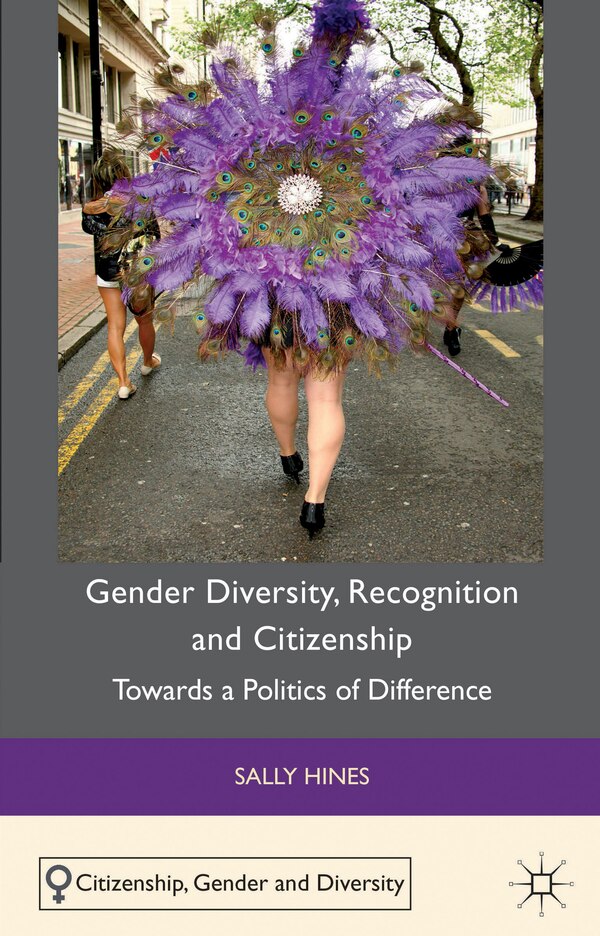
















More About Coles at Bayshore Shopping Centre
Coles is renowned for its outstanding customer service and great selection of books. Along with the vast array of magazines, stationary, audio-books, children's literature, fiction, non-fiction and reference books, you can find accessories to make your reading experience more pleasurable. We can recommend the very best in reading today. We will help you search our titles for exactly what you need, and if we do not have it in stock, we will order it for you.
100 Bayshore Dr, Nepean, ON K2B 8C1, Canada
Find Coles at Bayshore Shopping Centre in Ottawa, ON
Visit Coles at Bayshore Shopping Centre in Ottawa, ON