

Give the Gift of Choice!
Too many options? Treat your friends and family to their favourite stores with a Bayshore Shopping Centre gift card, redeemable at participating retailers throughout the centre. Click below to purchase yours today!Purchase HereHome
Divinised Humans Ancient Judaism
Coles
Loading Inventory...

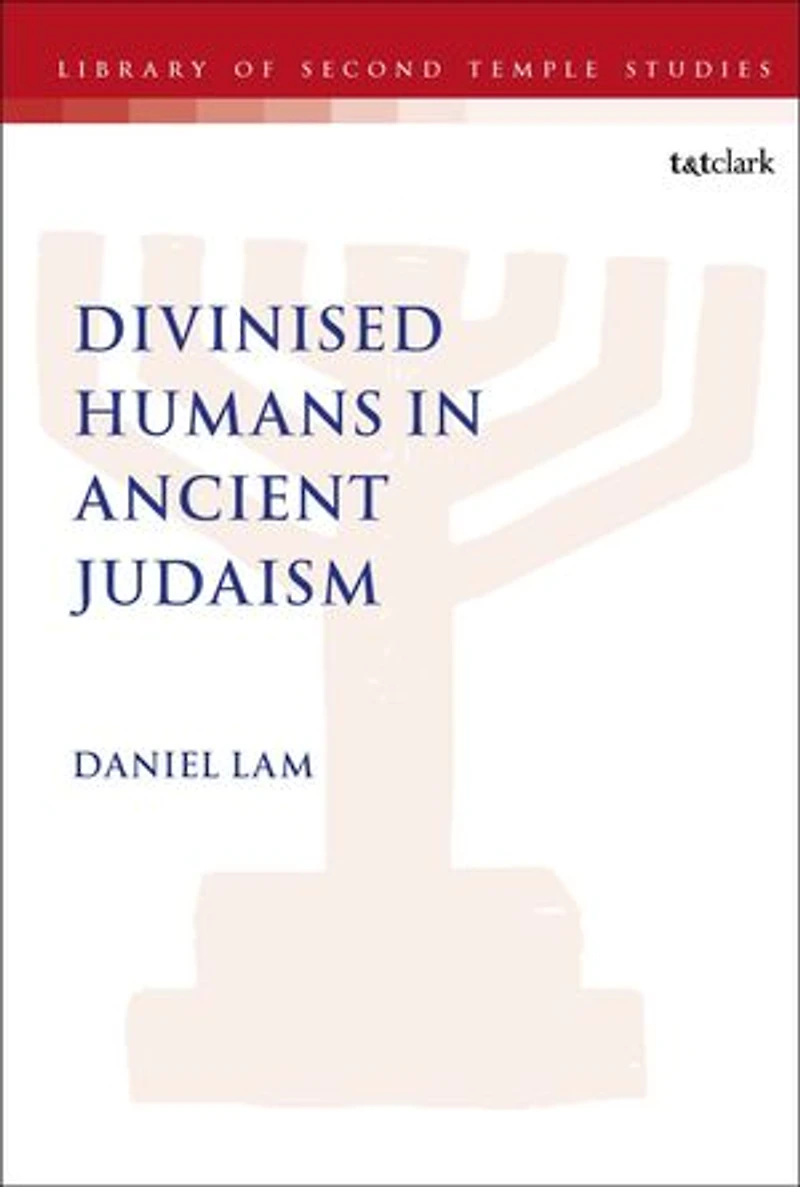
Divinised Humans Ancient Judaism in Ottawa, ON
Current price: $175.50

Divinised Humans Ancient Judaism in Ottawa, ON
Current price: $175.50
Loading Inventory...
Size: Hardcover
*Product information may vary - to confirm product availability, pricing, shipping and return information please contact Coles
Exploring the fluidity of divine-human boundaries in ancient Judaism, Daniel Lam challenges the assumption of a rigid divide between God and humanity. Drawing on prototype theory and texts from across millennia of Jewish and Christian literature, Lam argues that divinity was conceived as a graded category rather than an absolute state, suggesting that figures such as Adam, Enoch, Moses, Elijah, and Jesus were imagined as crossing the divine threshold through immortality, metamorphosis, and exaltation. By situating these traditions within their wider Mediterranean context, Lam reframes debates on monotheism, deification, and early Christology. Lam engages deeply with primary sources, including Genesis and Psalms, Wisdom of Solomon, and the Life of Adam and Eve; Enochic writings such as the Book of the Watchers and Book of Parables; and New Testament passages like Philippians 2 and Hebrews 1. In addition, he examines lesser-known materials such as the Testament of Abraham, Qumran fragments, and 2 Enoch, highlighting motifs of angelomorphism, luminous transformation, and enthronement. These case studies illuminate how ancient authors negotiated divine identity and challenge the notion that divinisation was exclusively a "pagan" concept, offering a fresh methodological framework for understanding divinity as a fluid and multivalent phenomenon.
Exploring the fluidity of divine-human boundaries in ancient Judaism, Daniel Lam challenges the assumption of a rigid divide between God and humanity. Drawing on prototype theory and texts from across millennia of Jewish and Christian literature, Lam argues that divinity was conceived as a graded category rather than an absolute state, suggesting that figures such as Adam, Enoch, Moses, Elijah, and Jesus were imagined as crossing the divine threshold through immortality, metamorphosis, and exaltation. By situating these traditions within their wider Mediterranean context, Lam reframes debates on monotheism, deification, and early Christology. Lam engages deeply with primary sources, including Genesis and Psalms, Wisdom of Solomon, and the Life of Adam and Eve; Enochic writings such as the Book of the Watchers and Book of Parables; and New Testament passages like Philippians 2 and Hebrews 1. In addition, he examines lesser-known materials such as the Testament of Abraham, Qumran fragments, and 2 Enoch, highlighting motifs of angelomorphism, luminous transformation, and enthronement. These case studies illuminate how ancient authors negotiated divine identity and challenge the notion that divinisation was exclusively a "pagan" concept, offering a fresh methodological framework for understanding divinity as a fluid and multivalent phenomenon.







More About Coles at Bayshore Shopping Centre
Coles is renowned for its outstanding customer service and great selection of books. Along with the vast array of magazines, stationary, audio-books, children's literature, fiction, non-fiction and reference books, you can find accessories to make your reading experience more pleasurable. We can recommend the very best in reading today. We will help you search our titles for exactly what you need, and if we do not have it in stock, we will order it for you.
100 Bayshore Dr, Nepean, ON K2B 8C1, Canada
Find Coles at Bayshore Shopping Centre in Ottawa, ON
Visit Coles at Bayshore Shopping Centre in Ottawa, ON