

Give the Gift of Choice!
Too many options? Treat your friends and family to their favourite stores with a Bayshore Shopping Centre gift card, redeemable at participating retailers throughout the centre. Click below to purchase yours today!Purchase HereHome
Domestic Extremism and the Case of Toronto 18
Coles
Loading Inventory...
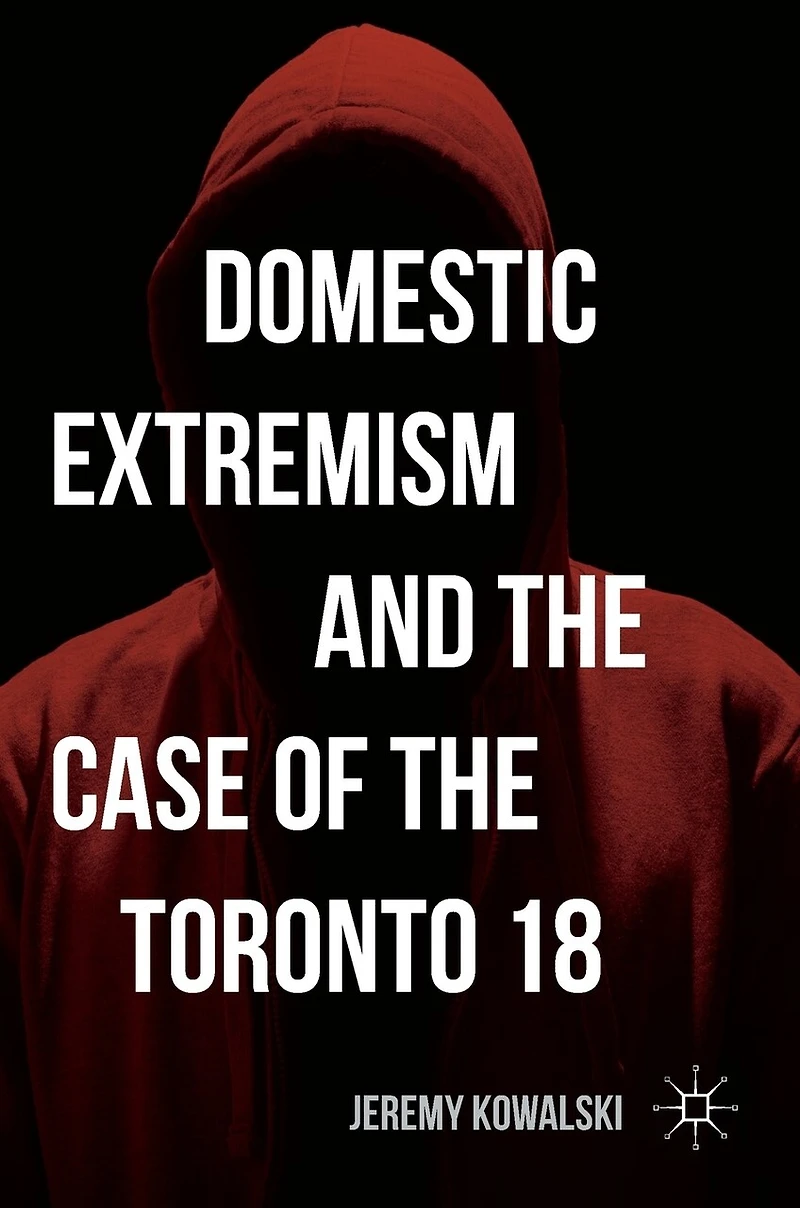
Domestic Extremism and the Case of Toronto 18 in Ottawa, ON
Current price: $160.95

Domestic Extremism and the Case of Toronto 18 in Ottawa, ON
Current price: $160.95
Loading Inventory...
Size: Hardcover
*Product information may vary - to confirm product availability, pricing, shipping and return information please contact Coles
This book examines domestic extremism and what is popularly referred to as radicalization. The fear of domestic extremism has been used to dismantle democracy and erect national security states throughout North America, Western Europe, and beyond. Yet, despite the enormous costs citizens have paid in the name of security, society has become less secure and less safe. In many respects, this situation has resulted from the misapprehension of the conditions that make the emergence of this threat probable. Kowalski focuses on the macro social relations and structures that make radicalization probable. As demonstrated through an analysis of the so-called Toronto 18-an extremist group arrested in June of 2006 for activities that contravened the Canadian Anti-Terrorism Act (ATA)-macro social relations and structures served a significant role in creating the conditions through which the process of radicalization became probable. If a comprehensive understanding of the processes of radicalization are to be reached and effective counter-terrorism policies developed, then the consideration this book provides of greater macro social relations and structures that make the emergence of extremist subjectivities probable is needed.
This book examines domestic extremism and what is popularly referred to as radicalization. The fear of domestic extremism has been used to dismantle democracy and erect national security states throughout North America, Western Europe, and beyond. Yet, despite the enormous costs citizens have paid in the name of security, society has become less secure and less safe. In many respects, this situation has resulted from the misapprehension of the conditions that make the emergence of this threat probable. Kowalski focuses on the macro social relations and structures that make radicalization probable. As demonstrated through an analysis of the so-called Toronto 18-an extremist group arrested in June of 2006 for activities that contravened the Canadian Anti-Terrorism Act (ATA)-macro social relations and structures served a significant role in creating the conditions through which the process of radicalization became probable. If a comprehensive understanding of the processes of radicalization are to be reached and effective counter-terrorism policies developed, then the consideration this book provides of greater macro social relations and structures that make the emergence of extremist subjectivities probable is needed.
You May Also Like












More About Coles at Bayshore Shopping Centre
Coles is renowned for its outstanding customer service and great selection of books. Along with the vast array of magazines, stationary, audio-books, children's literature, fiction, non-fiction and reference books, you can find accessories to make your reading experience more pleasurable. We can recommend the very best in reading today. We will help you search our titles for exactly what you need, and if we do not have it in stock, we will order it for you.
100 Bayshore Dr, Nepean, ON K2B 8C1, Canada
Find Coles at Bayshore Shopping Centre in Ottawa, ON
Visit Coles at Bayshore Shopping Centre in Ottawa, ON