

Give the Gift of Choice!
Too many options? Treat your friends and family to their favourite stores with a Bayshore Shopping Centre gift card, redeemable at participating retailers throughout the centre. Click below to purchase yours today!Purchase HereHome
Doncaster's Railways
Coles
Loading Inventory...
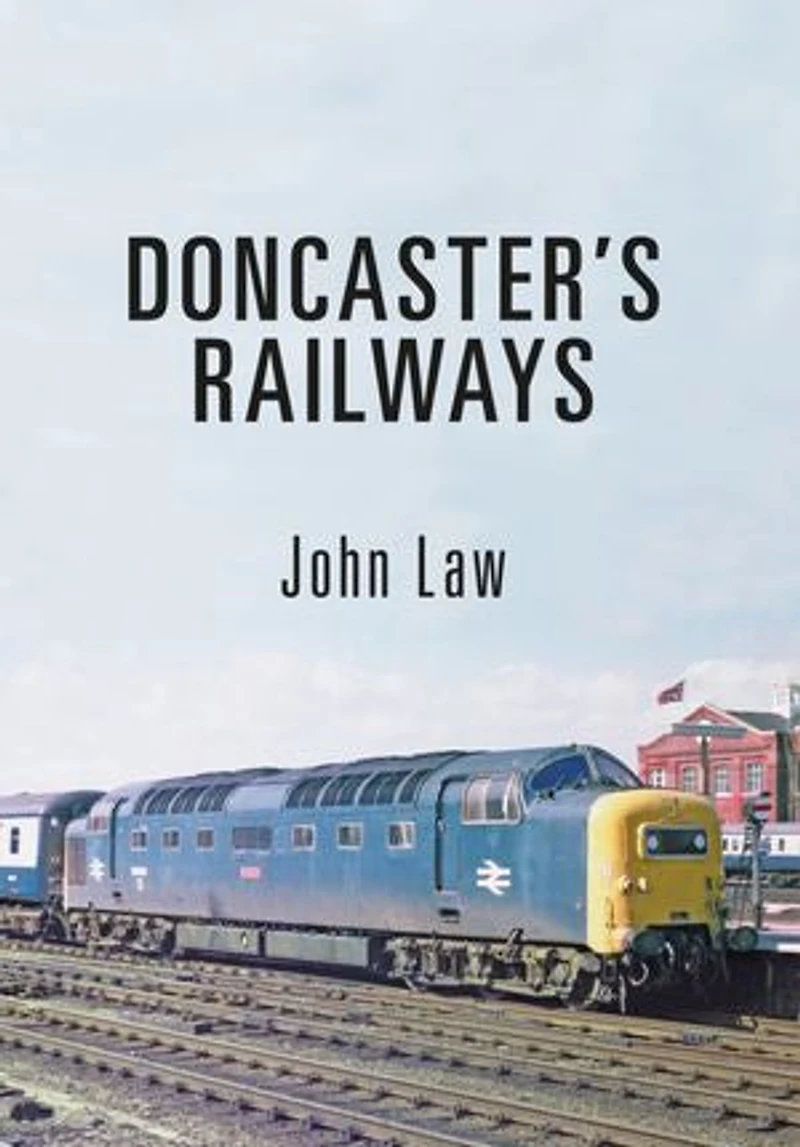
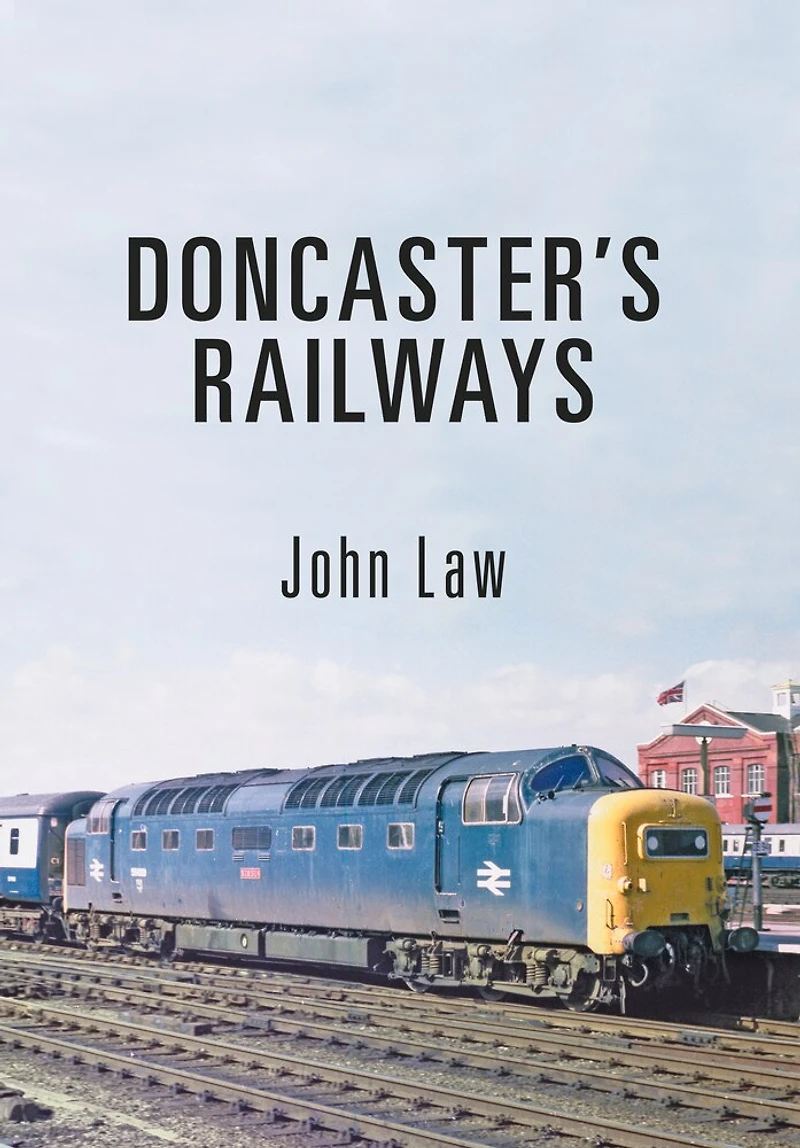
Doncaster's Railways in Ottawa, ON
Current price: $16.69
Original price: $20.80

Doncaster's Railways in Ottawa, ON
Current price: $16.69
Original price: $20.80
Loading Inventory...
Size: Kobo eBook
*Product information may vary - to confirm product availability, pricing, shipping and return information please contact Coles
The railways first came to Doncaster in the 1840s. In the 1850s, the Great Northern Railway established the Doncaster Locomotive and Carriage Building Works, later responsible for building Mallard and Flying Scotsman for the LNER as well as many hundreds of other locomotives. Today, Doncaster railway station is on the East Coast Main Line between London and Scotland, and is a major interchange with CrossCountry routes and local services through the north of England.In this book, photographer John Law looks at railway activity in and around Doncaster, from the end of local steam in 1967 through to the present day, including the Works, the signalling and the station itself. Motive power from the days of green diesels, through the last days of steam in the local collieries, to the modern electrics used on the main line is illustrated.
The railways first came to Doncaster in the 1840s. In the 1850s, the Great Northern Railway established the Doncaster Locomotive and Carriage Building Works, later responsible for building Mallard and Flying Scotsman for the LNER as well as many hundreds of other locomotives. Today, Doncaster railway station is on the East Coast Main Line between London and Scotland, and is a major interchange with CrossCountry routes and local services through the north of England.In this book, photographer John Law looks at railway activity in and around Doncaster, from the end of local steam in 1967 through to the present day, including the Works, the signalling and the station itself. Motive power from the days of green diesels, through the last days of steam in the local collieries, to the modern electrics used on the main line is illustrated.









More About Coles at Bayshore Shopping Centre
Coles is renowned for its outstanding customer service and great selection of books. Along with the vast array of magazines, stationary, audio-books, children's literature, fiction, non-fiction and reference books, you can find accessories to make your reading experience more pleasurable. We can recommend the very best in reading today. We will help you search our titles for exactly what you need, and if we do not have it in stock, we will order it for you.
100 Bayshore Dr, Nepean, ON K2B 8C1, Canada
Find Coles at Bayshore Shopping Centre in Ottawa, ON
Visit Coles at Bayshore Shopping Centre in Ottawa, ON