

Give the Gift of Choice!
Too many options? Treat your friends and family to their favourite stores with a Bayshore Shopping Centre gift card, redeemable at participating retailers throughout the centre. Click below to purchase yours today!Purchase HereHome
Drugs and the FDA: Safety, Efficacy, Public's Trust
Coles
Loading Inventory...
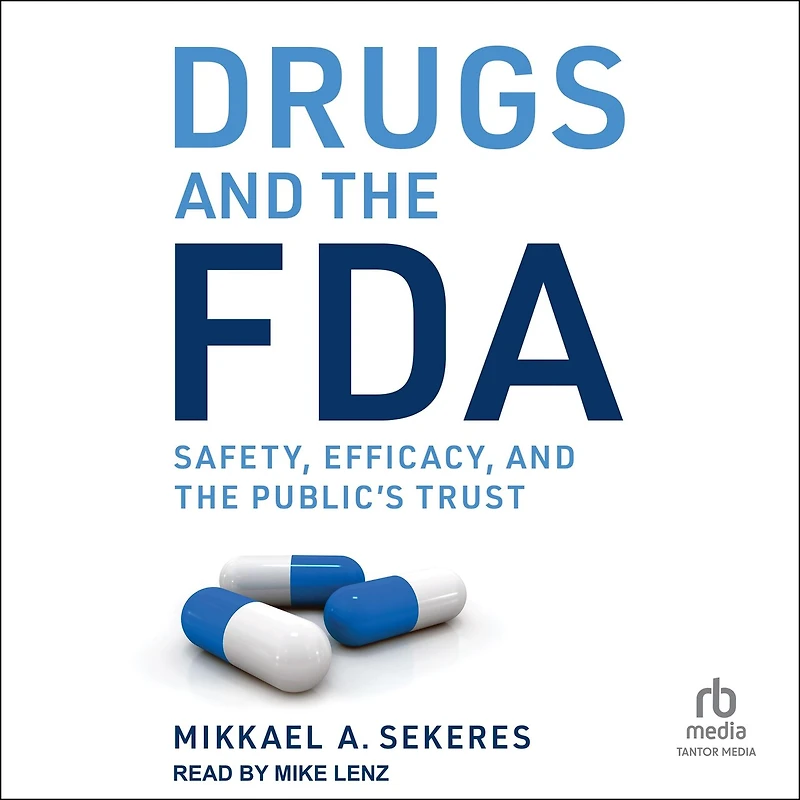
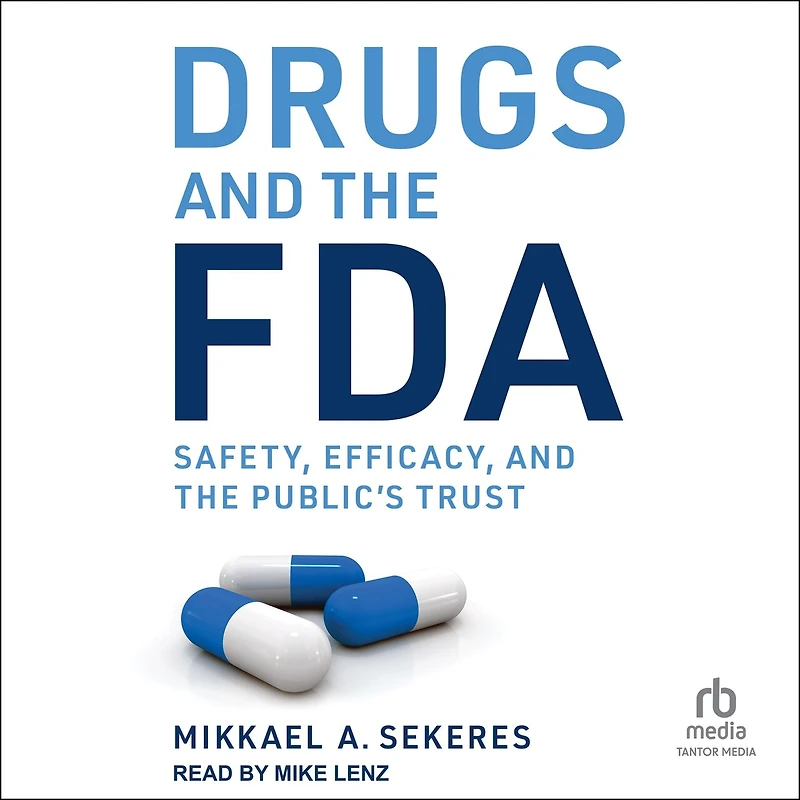
Drugs and the FDA: Safety, Efficacy, Public's Trust in Ottawa, ON
Current price: $59.95

Drugs and the FDA: Safety, Efficacy, Public's Trust in Ottawa, ON
Current price: $59.95
Loading Inventory...
Size: Audiobook (2023 A)
*Product information may vary - to confirm product availability, pricing, shipping and return information please contact Coles
Food and Drug Administration approval for COVID-19 vaccines and the controversial Alzheimer's drug Aduhelm made headlines, but few of us know much about how the agency does its work. Why is the FDA the ultimate United States authority on a drug's safety and efficacy? In Drugs and the FDA , Mikkael Sekeres—a leading oncologist and former chair of the FDA's cancer drug advisory committee—tells the story of how the FDA became the most trusted regulatory agency in the world. It took a series of tragedies and health crises, as well as patient advocacy, for the government to take responsibility for ensuring the efficacy and safety of drugs and medical devices. Before the FDA existed, drug makers could hawk any potion, claim treatment of any ailment, and make any promise on a label. But then, throughout the twentieth century, the government was forced to take action when children were poisoned by contaminated diphtheria and smallpox vaccines, an early antibiotic contained antifreeze, a drug prescribed for morning sickness in pregnancy caused babies to be born disfigured, and access to AIDS drugs was limited to a few clinical trials while thousands died. Sekeres describes all these events against the backdrop of the contentious 2011 hearings on the breast cancer drug Avastin, in which he participated as a panel member.
Food and Drug Administration approval for COVID-19 vaccines and the controversial Alzheimer's drug Aduhelm made headlines, but few of us know much about how the agency does its work. Why is the FDA the ultimate United States authority on a drug's safety and efficacy? In Drugs and the FDA , Mikkael Sekeres—a leading oncologist and former chair of the FDA's cancer drug advisory committee—tells the story of how the FDA became the most trusted regulatory agency in the world. It took a series of tragedies and health crises, as well as patient advocacy, for the government to take responsibility for ensuring the efficacy and safety of drugs and medical devices. Before the FDA existed, drug makers could hawk any potion, claim treatment of any ailment, and make any promise on a label. But then, throughout the twentieth century, the government was forced to take action when children were poisoned by contaminated diphtheria and smallpox vaccines, an early antibiotic contained antifreeze, a drug prescribed for morning sickness in pregnancy caused babies to be born disfigured, and access to AIDS drugs was limited to a few clinical trials while thousands died. Sekeres describes all these events against the backdrop of the contentious 2011 hearings on the breast cancer drug Avastin, in which he participated as a panel member.
You May Also Like


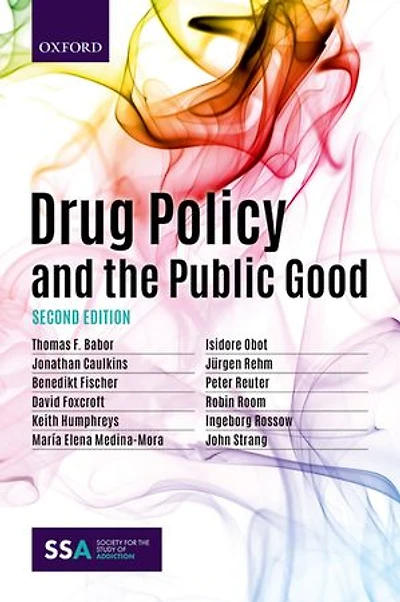
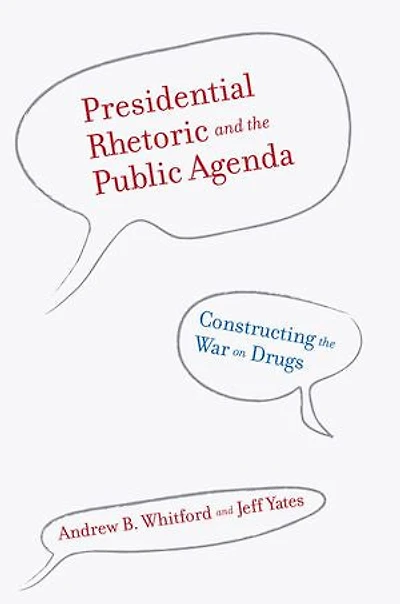







More About Coles at Bayshore Shopping Centre
Coles is renowned for its outstanding customer service and great selection of books. Along with the vast array of magazines, stationary, audio-books, children's literature, fiction, non-fiction and reference books, you can find accessories to make your reading experience more pleasurable. We can recommend the very best in reading today. We will help you search our titles for exactly what you need, and if we do not have it in stock, we will order it for you.
100 Bayshore Dr, Nepean, ON K2B 8C1, Canada
Find Coles at Bayshore Shopping Centre in Ottawa, ON
Visit Coles at Bayshore Shopping Centre in Ottawa, ON