

Give the Gift of Choice!
Too many options? Treat your friends and family to their favourite stores with a Bayshore Shopping Centre gift card, redeemable at participating retailers throughout the centre. Click below to purchase yours today!Purchase HereHome
Dublin 50 Buildings
Coles
Loading Inventory...
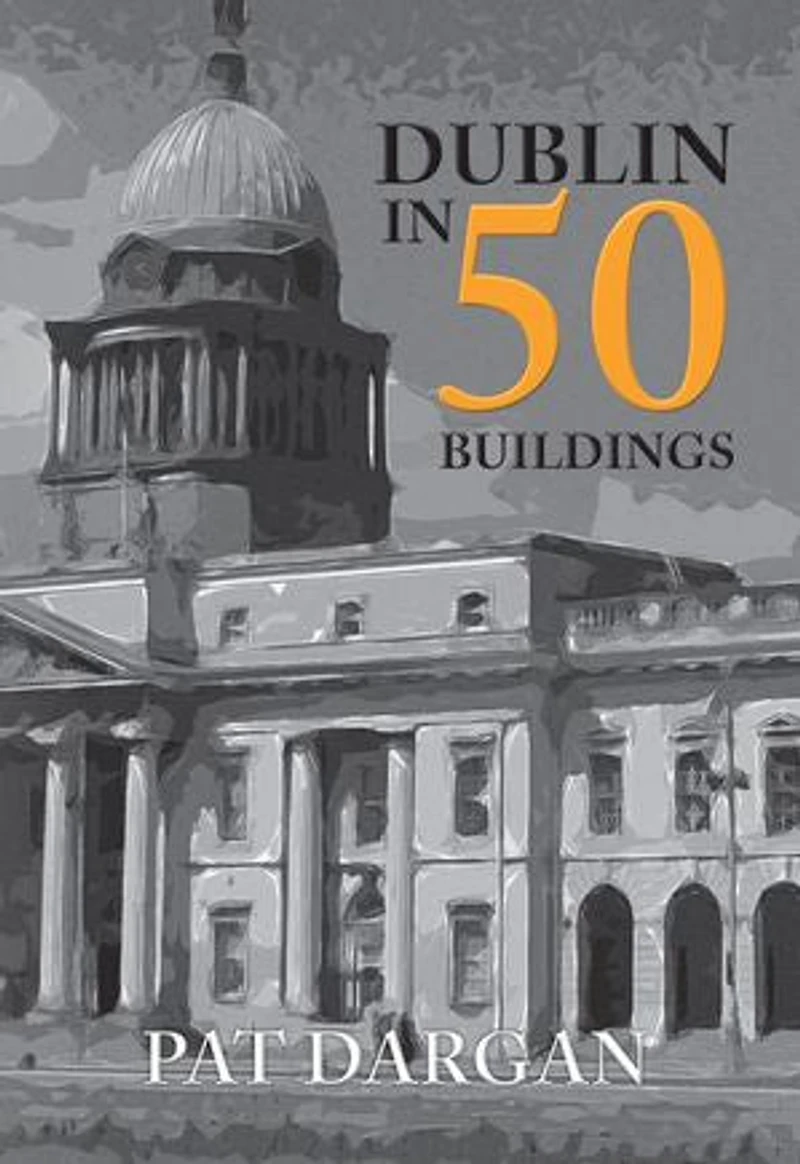
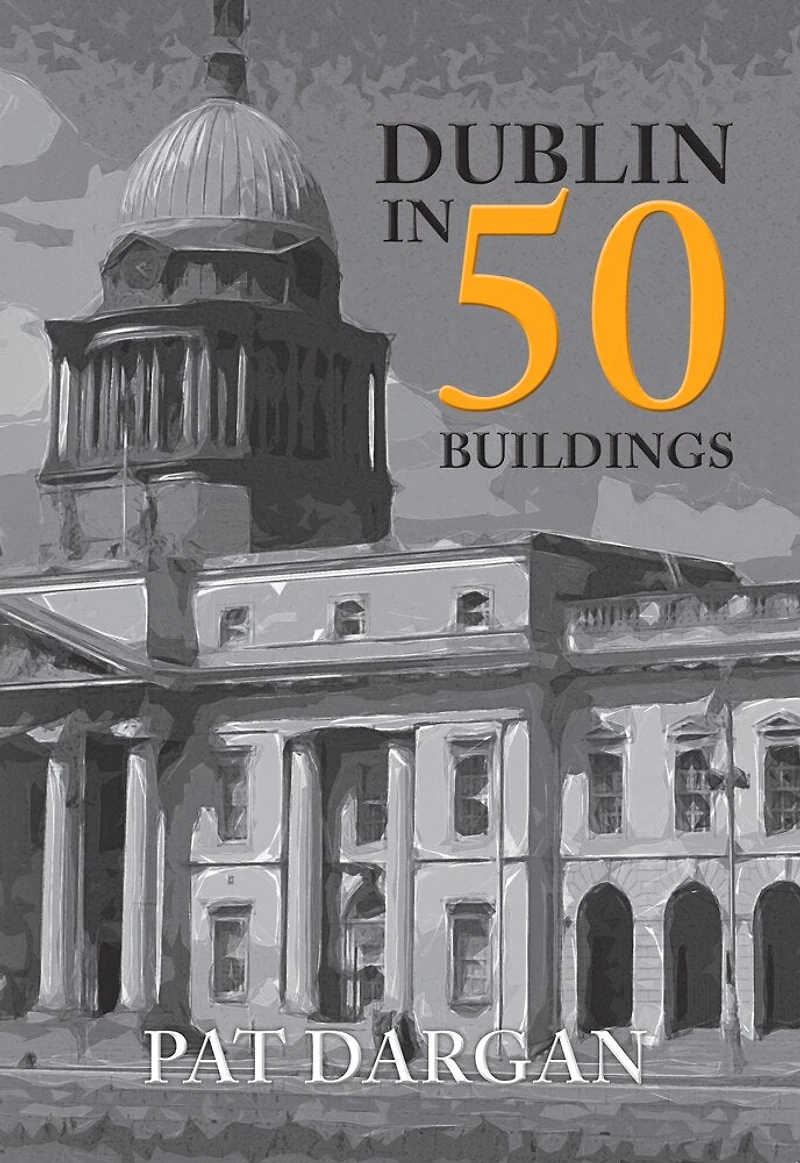
Dublin 50 Buildings in Ottawa, ON
Current price: $16.69
Original price: $20.80

Dublin 50 Buildings in Ottawa, ON
Current price: $16.69
Original price: $20.80
Loading Inventory...
Size: Kobo eBook
*Product information may vary - to confirm product availability, pricing, shipping and return information please contact Coles
Dublin was established as a Viking settlement in the early Middle Ages and, following the Norman Invasion of Ireland, rapidly grew in size and importance to become a major city. Following the English conquest of Ireland in the sixteenth century, Dublin continued to develop as a centre of trade, and its growing prosperity into the eighteenth century is demonstrated by the city’s rich Georgian architectural legacy, which still forms an important part of Dublin’s character today. Following independence in 1922, Dublin became the capital city of Ireland and although the fabric of the city centre suffered during the 1916 Easter Rising, the Irish War of Independence and the subsequent Civil War, it has been at the forefront of the country’s economic expansion in recent decades. Today, Dublin has many significant modern buildings standing alongside its more historical architectural legacy.Dublin in 50 Buildings explores the history of this fascinating city through a selection of its most interesting buildings, including the Norman Dublin Castle, the Georgian Customs House by the River Liffey, the twentieth-century Guinness Storehouse, along with buildings that may not be as well known but are equally interesting.
Dublin was established as a Viking settlement in the early Middle Ages and, following the Norman Invasion of Ireland, rapidly grew in size and importance to become a major city. Following the English conquest of Ireland in the sixteenth century, Dublin continued to develop as a centre of trade, and its growing prosperity into the eighteenth century is demonstrated by the city’s rich Georgian architectural legacy, which still forms an important part of Dublin’s character today. Following independence in 1922, Dublin became the capital city of Ireland and although the fabric of the city centre suffered during the 1916 Easter Rising, the Irish War of Independence and the subsequent Civil War, it has been at the forefront of the country’s economic expansion in recent decades. Today, Dublin has many significant modern buildings standing alongside its more historical architectural legacy.Dublin in 50 Buildings explores the history of this fascinating city through a selection of its most interesting buildings, including the Norman Dublin Castle, the Georgian Customs House by the River Liffey, the twentieth-century Guinness Storehouse, along with buildings that may not be as well known but are equally interesting.
You May Also Like








More About Coles at Bayshore Shopping Centre
Coles is renowned for its outstanding customer service and great selection of books. Along with the vast array of magazines, stationary, audio-books, children's literature, fiction, non-fiction and reference books, you can find accessories to make your reading experience more pleasurable. We can recommend the very best in reading today. We will help you search our titles for exactly what you need, and if we do not have it in stock, we will order it for you.
100 Bayshore Dr, Nepean, ON K2B 8C1, Canada
Find Coles at Bayshore Shopping Centre in Ottawa, ON
Visit Coles at Bayshore Shopping Centre in Ottawa, ON