

Give the Gift of Choice!
Too many options? Treat your friends and family to their favourite stores with a Bayshore Shopping Centre gift card, redeemable at participating retailers throughout the centre. Click below to purchase yours today!Purchase HereHome
Dynastic Deeds: Hunt scenes in the funerary imagery of the Achaemenid Eastern Mediterranean
Coles
Loading Inventory...
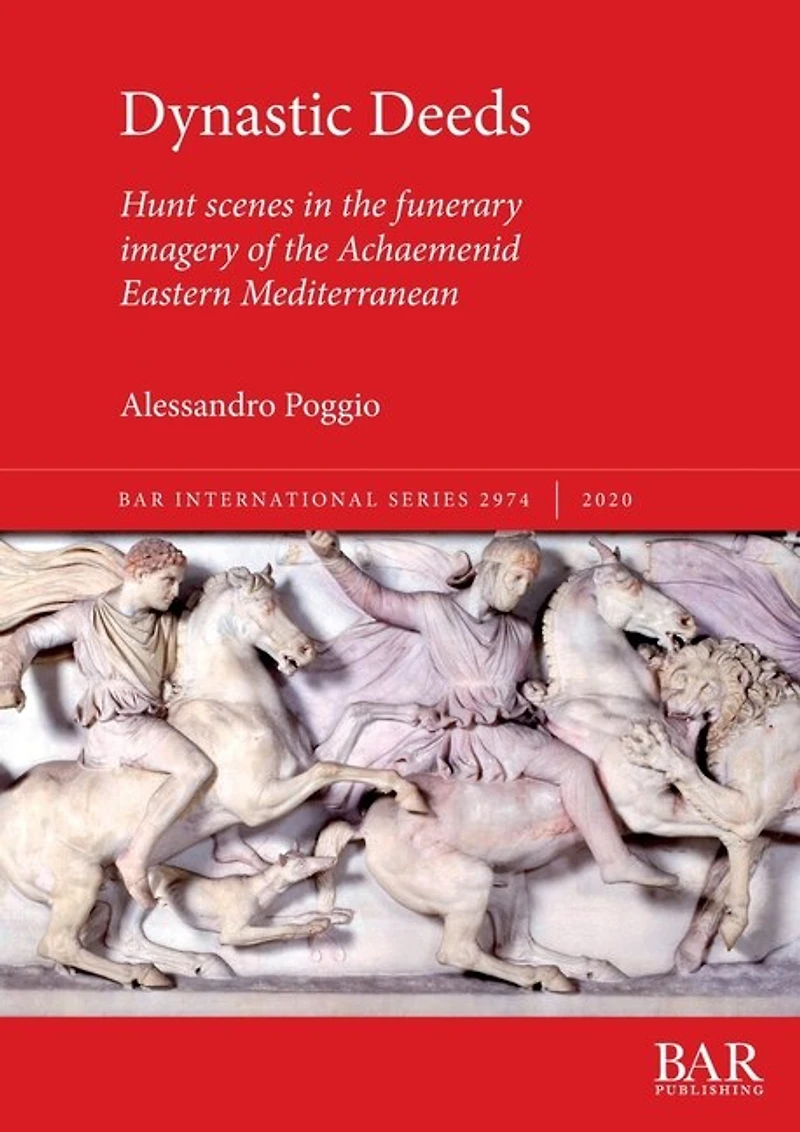
Dynastic Deeds: Hunt scenes in the funerary imagery of the Achaemenid Eastern Mediterranean in Ottawa, ON
Current price: $88.00

Dynastic Deeds: Hunt scenes in the funerary imagery of the Achaemenid Eastern Mediterranean in Ottawa, ON
Current price: $88.00
Loading Inventory...
Size: Paperback
*Product information may vary - to confirm product availability, pricing, shipping and return information please contact Coles
This study adopts a transregional approach that focuses on connectivity dynamics in order to present a wider picture of artistic, cultural and political phenomena in the Mediterranean. It examines dynastic funerary art at the end of the fifth century and in the fourth century BC by focusing - through a wide range of evidence - on what funerary images can reveal about the societies that produced them. It analyses renowned dynastic tombs from south-western Anatolia (present-day Turkey) such as the Mausoleum of Halicarnassus and the Nereid Monument of Xanthos, but also from Phoenicia (present-day Lebanon). A common element among the similarities displayed by these tombs is the nearly constant presence of the multiple-quarry hunt iconography, which consists of prey from different species depicted in one figurative programme. The Eastern Mediterranean under Persian Achaemenid rule is portrayed as an interconnected cultural and political area with specific features instead of merely being an area between the Greek and Persian worlds.
This study adopts a transregional approach that focuses on connectivity dynamics in order to present a wider picture of artistic, cultural and political phenomena in the Mediterranean. It examines dynastic funerary art at the end of the fifth century and in the fourth century BC by focusing - through a wide range of evidence - on what funerary images can reveal about the societies that produced them. It analyses renowned dynastic tombs from south-western Anatolia (present-day Turkey) such as the Mausoleum of Halicarnassus and the Nereid Monument of Xanthos, but also from Phoenicia (present-day Lebanon). A common element among the similarities displayed by these tombs is the nearly constant presence of the multiple-quarry hunt iconography, which consists of prey from different species depicted in one figurative programme. The Eastern Mediterranean under Persian Achaemenid rule is portrayed as an interconnected cultural and political area with specific features instead of merely being an area between the Greek and Persian worlds.
You May Also Like








More About Coles at Bayshore Shopping Centre
Coles is renowned for its outstanding customer service and great selection of books. Along with the vast array of magazines, stationary, audio-books, children's literature, fiction, non-fiction and reference books, you can find accessories to make your reading experience more pleasurable. We can recommend the very best in reading today. We will help you search our titles for exactly what you need, and if we do not have it in stock, we will order it for you.
100 Bayshore Dr, Nepean, ON K2B 8C1, Canada
Find Coles at Bayshore Shopping Centre in Ottawa, ON
Visit Coles at Bayshore Shopping Centre in Ottawa, ON