

Give the Gift of Choice!
Too many options? Treat your friends and family to their favourite stores with a Bayshore Shopping Centre gift card, redeemable at participating retailers throughout the centre. Click below to purchase yours today!Purchase HereHome
Early Anglo-Saxon cemeteries: Kinship, community and identity
Coles
Loading Inventory...
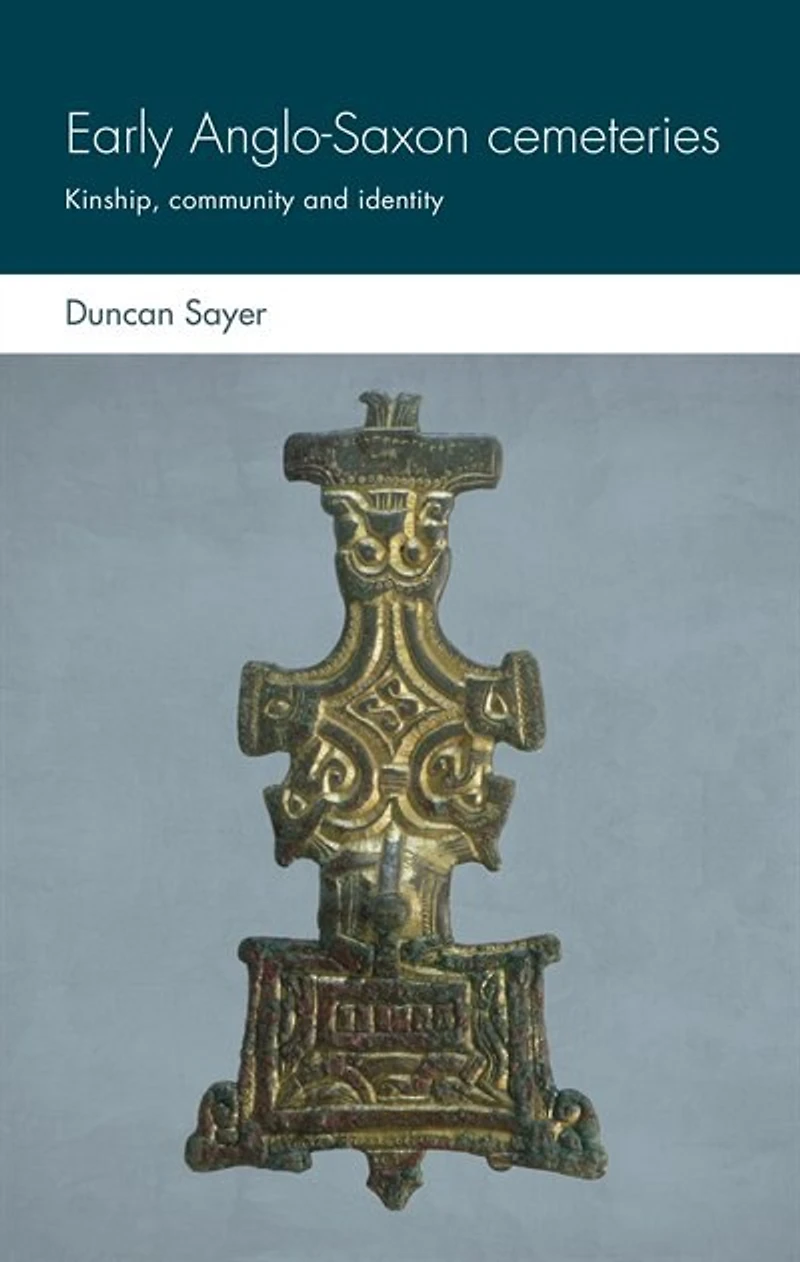
Early Anglo-Saxon cemeteries: Kinship, community and identity in Ottawa, ON
Current price: $59.99

Early Anglo-Saxon cemeteries: Kinship, community and identity in Ottawa, ON
Current price: $59.99
Loading Inventory...
Size: Hardcover
*Product information may vary - to confirm product availability, pricing, shipping and return information please contact Coles
Early Anglo-Saxon cemeteries are known for their grave goods, but this abundance obscures their interest as the creations of pluralistic, multi-generational communities. This book explores over one hundred early Anglo-Saxon and Merovingian cemeteries, using a multi-dimensional methodology to move beyond artefacts. It offers an alternative way to explore the horizontal organisation of cemeteries from a holistically focused perspective. The physical communication of digging a grave and laying out a body was used to negotiate the arrangement of a cemetery and to construct family and community stories. This approach foregrounds community, because people used and reused cemetery spaces to emphasise different characteristics of the deceased, based on their own attitudes, lifeways and live experiences. This book will appeal to scholars of Anglo-Saxon studies and will be of value to archaeologists interested in mortuary spaces, communities and social archaeology.
An electronic edition of this book is freely available under a Creative Commons (CC BY) licence.
Early Anglo-Saxon cemeteries are known for their grave goods, but this abundance obscures their interest as the creations of pluralistic, multi-generational communities. This book explores over one hundred early Anglo-Saxon and Merovingian cemeteries, using a multi-dimensional methodology to move beyond artefacts. It offers an alternative way to explore the horizontal organisation of cemeteries from a holistically focused perspective. The physical communication of digging a grave and laying out a body was used to negotiate the arrangement of a cemetery and to construct family and community stories. This approach foregrounds community, because people used and reused cemetery spaces to emphasise different characteristics of the deceased, based on their own attitudes, lifeways and live experiences. This book will appeal to scholars of Anglo-Saxon studies and will be of value to archaeologists interested in mortuary spaces, communities and social archaeology.
An electronic edition of this book is freely available under a Creative Commons (CC BY) licence.
You May Also Like








More About Coles at Bayshore Shopping Centre
Coles is renowned for its outstanding customer service and great selection of books. Along with the vast array of magazines, stationary, audio-books, children's literature, fiction, non-fiction and reference books, you can find accessories to make your reading experience more pleasurable. We can recommend the very best in reading today. We will help you search our titles for exactly what you need, and if we do not have it in stock, we will order it for you.
100 Bayshore Dr, Nepean, ON K2B 8C1, Canada
Find Coles at Bayshore Shopping Centre in Ottawa, ON
Visit Coles at Bayshore Shopping Centre in Ottawa, ON