

Give the Gift of Choice!
Too many options? Treat your friends and family to their favourite stores with a Bayshore Shopping Centre gift card, redeemable at participating retailers throughout the centre. Click below to purchase yours today!Purchase HereHome
Early Jesuits and the Rhetorical Tradition
Coles
Loading Inventory...
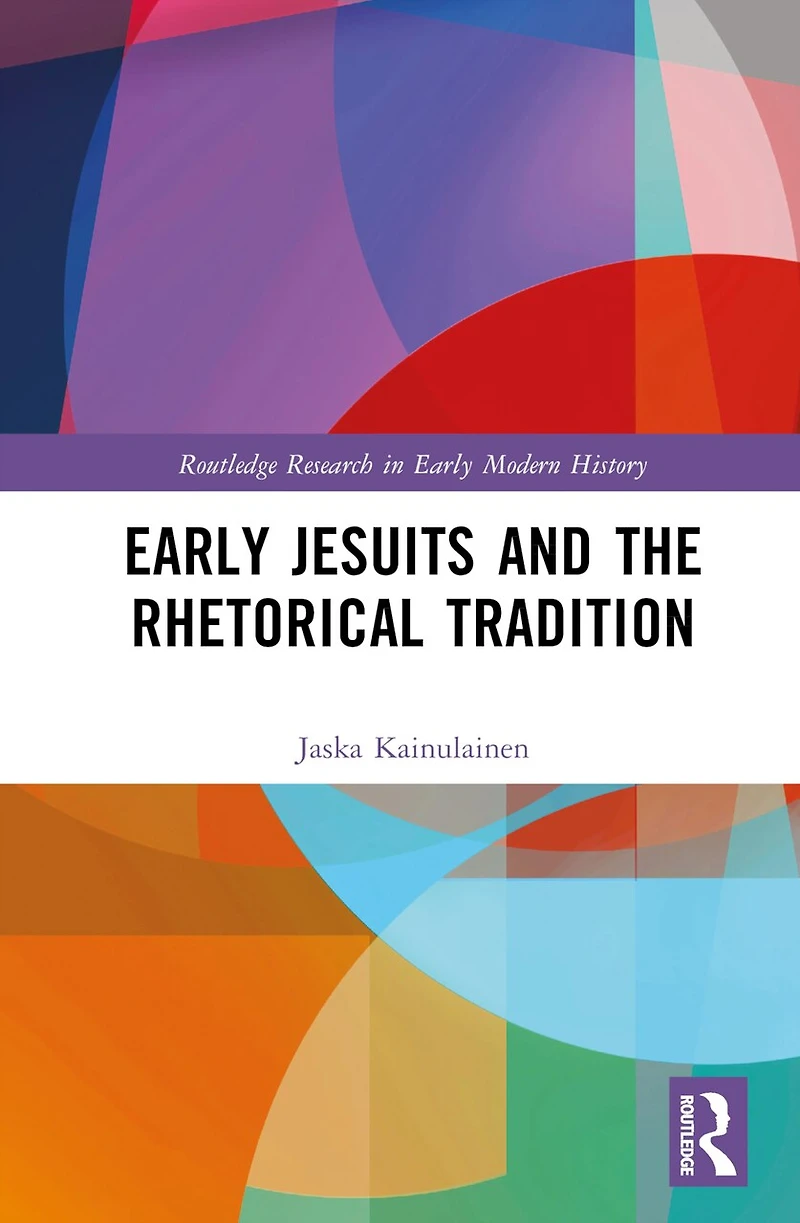
Early Jesuits and the Rhetorical Tradition in Ottawa, ON
Current price: $281.50

Early Jesuits and the Rhetorical Tradition in Ottawa, ON
Current price: $281.50
Loading Inventory...
Size: Hardcover
*Product information may vary - to confirm product availability, pricing, shipping and return information please contact Coles
This book explores sixteenth- and seventeenth-century Jesuit contributions to the rhetorical tradition established by Isocrates, Aristotle, Cicero and Quintilian. It analyses the writings of those Jesuits who taught rhetoric at the College of Rome, including Pedro Juan Perpiña, (1530-66), Carlo Reggio (1539-1612), Francesco Benci (1542-94), Famiano Strada (1572-1649) and Tarquinio Galluzzi (1574-1649). Additionally, it discusses the rhetorical views of Jesuits who were not based in Rome, most notably Cypriano Soarez (1524-93), the author of the popular manual De arte rhetorica . Jesuit education, Ciceronianism and civic life feature as the key themes of the book. Early Jesuits and the Rhetorical Tradition, 1540-1650 argues that, in line with Cicero, early modern Jesuit teachers and humanists associated rhetoric with a civic function. Jesuit writings, not only on rhetoric, but also on moral, religious and political themes, testify to their thorough familiarity with Cicero's civic philosophy. Following Cicero, Isocrates and Renaissance humanists, early modern Jesuit teachers of the studia humanitatis coupled eloquence with wisdom and, in so doing, invested the rhetorician with such qualities and duties which many quattrocento humanists ascribed to an active citizen or statesman. These qualities centred on the duty to promote the common good by actively participating in civic life. This book will appeal to scholars and students alike interested in the history of the Jesuits, history of ideas and early modern history in general.
This book explores sixteenth- and seventeenth-century Jesuit contributions to the rhetorical tradition established by Isocrates, Aristotle, Cicero and Quintilian. It analyses the writings of those Jesuits who taught rhetoric at the College of Rome, including Pedro Juan Perpiña, (1530-66), Carlo Reggio (1539-1612), Francesco Benci (1542-94), Famiano Strada (1572-1649) and Tarquinio Galluzzi (1574-1649). Additionally, it discusses the rhetorical views of Jesuits who were not based in Rome, most notably Cypriano Soarez (1524-93), the author of the popular manual De arte rhetorica . Jesuit education, Ciceronianism and civic life feature as the key themes of the book. Early Jesuits and the Rhetorical Tradition, 1540-1650 argues that, in line with Cicero, early modern Jesuit teachers and humanists associated rhetoric with a civic function. Jesuit writings, not only on rhetoric, but also on moral, religious and political themes, testify to their thorough familiarity with Cicero's civic philosophy. Following Cicero, Isocrates and Renaissance humanists, early modern Jesuit teachers of the studia humanitatis coupled eloquence with wisdom and, in so doing, invested the rhetorician with such qualities and duties which many quattrocento humanists ascribed to an active citizen or statesman. These qualities centred on the duty to promote the common good by actively participating in civic life. This book will appeal to scholars and students alike interested in the history of the Jesuits, history of ideas and early modern history in general.
You May Also Like









More About Coles at Bayshore Shopping Centre
Coles is renowned for its outstanding customer service and great selection of books. Along with the vast array of magazines, stationary, audio-books, children's literature, fiction, non-fiction and reference books, you can find accessories to make your reading experience more pleasurable. We can recommend the very best in reading today. We will help you search our titles for exactly what you need, and if we do not have it in stock, we will order it for you.
100 Bayshore Dr, Nepean, ON K2B 8C1, Canada
Find Coles at Bayshore Shopping Centre in Ottawa, ON
Visit Coles at Bayshore Shopping Centre in Ottawa, ON