

Give the Gift of Choice!
Too many options? Treat your friends and family to their favourite stores with a Bayshore Shopping Centre gift card, redeemable at participating retailers throughout the centre. Click below to purchase yours today!Purchase HereHome
Early Makuria Research Project. El-Zuma Cemetery (3-vol. set)
Coles
Loading Inventory...
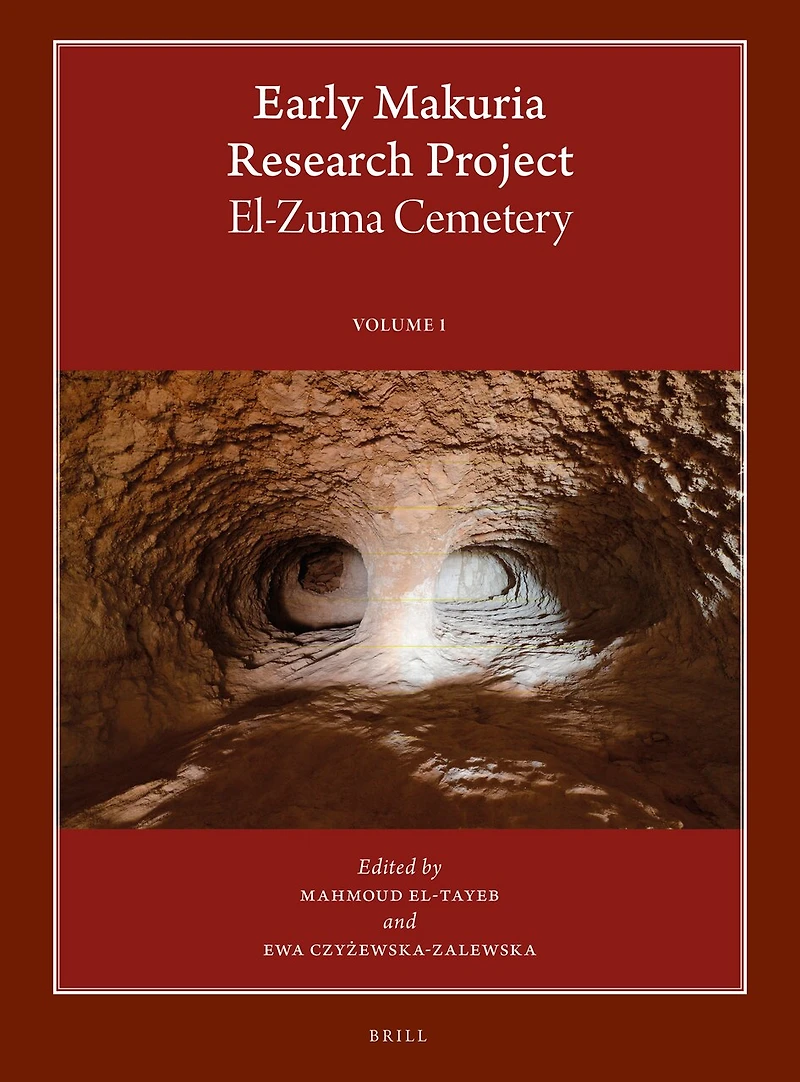
Early Makuria Research Project. El-Zuma Cemetery (3-vol. set) in Ottawa, ON
Current price: $248.99

Early Makuria Research Project. El-Zuma Cemetery (3-vol. set) in Ottawa, ON
Current price: $248.99
Loading Inventory...
Size: Hardcover
*Product information may vary - to confirm product availability, pricing, shipping and return information please contact Coles
The three-volume publication of the results of archaeological excavations at the UNESCO heritage site of El-Zuma in Sudan, investigated by PCMA University of Warsaw and the National Corporation for Antiquities and Museums in Khartoum, presents an Early Makurian elite tumuli cemetery from the 5th–6th centuries AD. This period in ancient Nubian history, preceding the rise of the Christian kingdoms, has long been understudied. Informed analyses by an array of specialists on the team cover the archaeological and bioarchaeological evidence from the tombs (Volume 1) as well as the abundant ceramics (Volume 2) and small finds, especially jewellery, weaponry and personal accessories (Volume 3). The outcome is a people-oriented view of an elite community in ancient Nubia at the dawn of a new age in its history.
The three-volume publication of the results of archaeological excavations at the UNESCO heritage site of El-Zuma in Sudan, investigated by PCMA University of Warsaw and the National Corporation for Antiquities and Museums in Khartoum, presents an Early Makurian elite tumuli cemetery from the 5th–6th centuries AD. This period in ancient Nubian history, preceding the rise of the Christian kingdoms, has long been understudied. Informed analyses by an array of specialists on the team cover the archaeological and bioarchaeological evidence from the tombs (Volume 1) as well as the abundant ceramics (Volume 2) and small finds, especially jewellery, weaponry and personal accessories (Volume 3). The outcome is a people-oriented view of an elite community in ancient Nubia at the dawn of a new age in its history.
You May Also Like












More About Coles at Bayshore Shopping Centre
Coles is renowned for its outstanding customer service and great selection of books. Along with the vast array of magazines, stationary, audio-books, children's literature, fiction, non-fiction and reference books, you can find accessories to make your reading experience more pleasurable. We can recommend the very best in reading today. We will help you search our titles for exactly what you need, and if we do not have it in stock, we will order it for you.
100 Bayshore Dr, Nepean, ON K2B 8C1, Canada
Find Coles at Bayshore Shopping Centre in Ottawa, ON
Visit Coles at Bayshore Shopping Centre in Ottawa, ON