

Give the Gift of Choice!
Too many options? Treat your friends and family to their favourite stores with a Bayshore Shopping Centre gift card, redeemable at participating retailers throughout the centre. Click below to purchase yours today!Purchase HereHome
Early Modern French Thought: The Age of Suspicion
Coles
Loading Inventory...
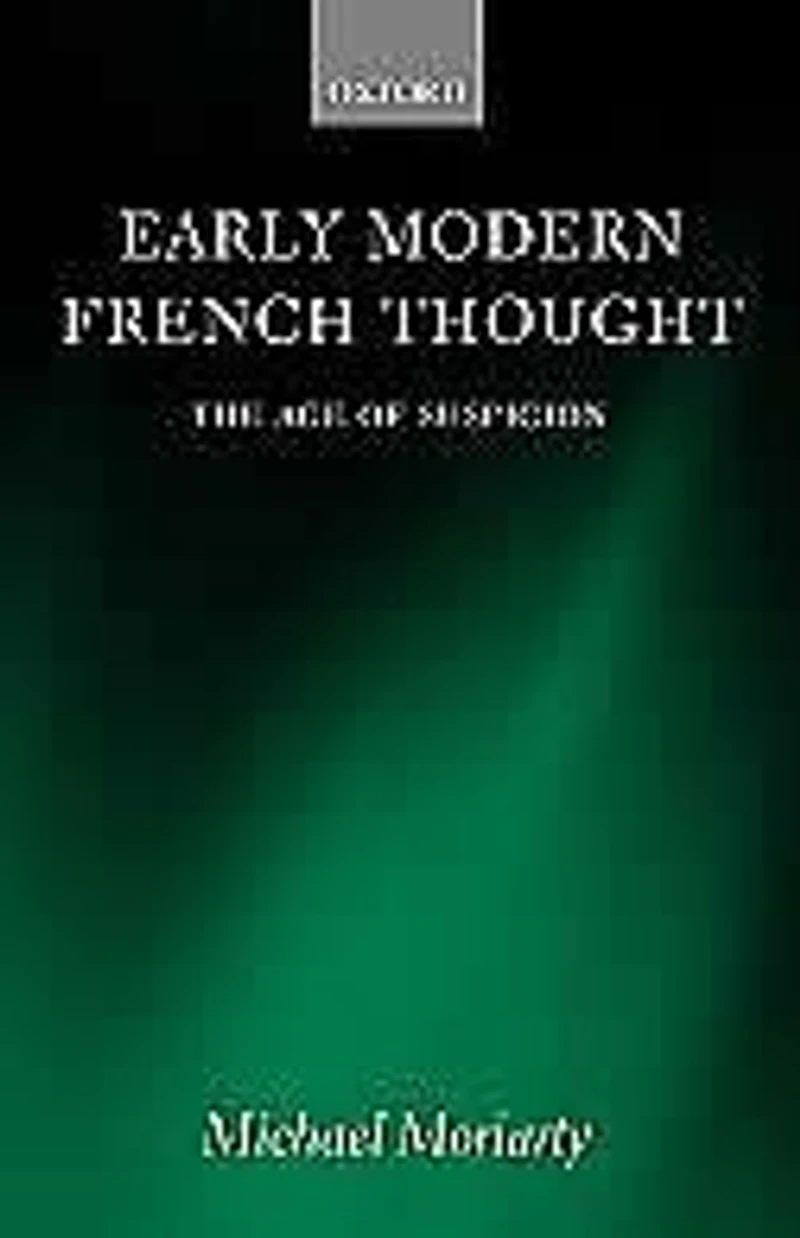
Early Modern French Thought: The Age of Suspicion in Ottawa, ON
Current price: $367.50

Early Modern French Thought: The Age of Suspicion in Ottawa, ON
Current price: $367.50
Loading Inventory...
Size: Hardcover
*Product information may vary - to confirm product availability, pricing, shipping and return information please contact Coles
This book is an examination of three major French thinkers of the seventeenth century, Descartes, Pascal, and Malebranche, of whom the latter two are comparatively little studied in the English-speaking world. It deals with a common attitude of suspicion towards everyday experience, which they
see as dominated and obscured by sensation, imagination, and the presence of the body. This attitude, however, obliges them to develop detailed and sophisticated accounts of the shaping of experience not only by the body but by interpersonal and social relationships, and of the tension between human
nature as it is and as we experience it. The treatment of Descartes thus challenges the interpretation that sees him as eliminating the body from ''subjectivity'', while that of Pascal and Malebranche shows how their critical attitude towards experience (a fertile source for twentieth-century French
thinkers) is linked with their religious doctrines, especially their Augustinian emphasis on Original Sin.
This book is an examination of three major French thinkers of the seventeenth century, Descartes, Pascal, and Malebranche, of whom the latter two are comparatively little studied in the English-speaking world. It deals with a common attitude of suspicion towards everyday experience, which they
see as dominated and obscured by sensation, imagination, and the presence of the body. This attitude, however, obliges them to develop detailed and sophisticated accounts of the shaping of experience not only by the body but by interpersonal and social relationships, and of the tension between human
nature as it is and as we experience it. The treatment of Descartes thus challenges the interpretation that sees him as eliminating the body from ''subjectivity'', while that of Pascal and Malebranche shows how their critical attitude towards experience (a fertile source for twentieth-century French
thinkers) is linked with their religious doctrines, especially their Augustinian emphasis on Original Sin.
You May Also Like












More About Coles at Bayshore Shopping Centre
Coles is renowned for its outstanding customer service and great selection of books. Along with the vast array of magazines, stationary, audio-books, children's literature, fiction, non-fiction and reference books, you can find accessories to make your reading experience more pleasurable. We can recommend the very best in reading today. We will help you search our titles for exactly what you need, and if we do not have it in stock, we will order it for you.
100 Bayshore Dr, Nepean, ON K2B 8C1, Canada
Find Coles at Bayshore Shopping Centre in Ottawa, ON
Visit Coles at Bayshore Shopping Centre in Ottawa, ON