

Give the Gift of Choice!
Too many options? Treat your friends and family to their favourite stores with a Bayshore Shopping Centre gift card, redeemable at participating retailers throughout the centre. Click below to purchase yours today!Purchase HereHome
Eastern Medieval Architecture: The Building Traditions Of Byzantium And Neighboring Lands
Coles
Loading Inventory...
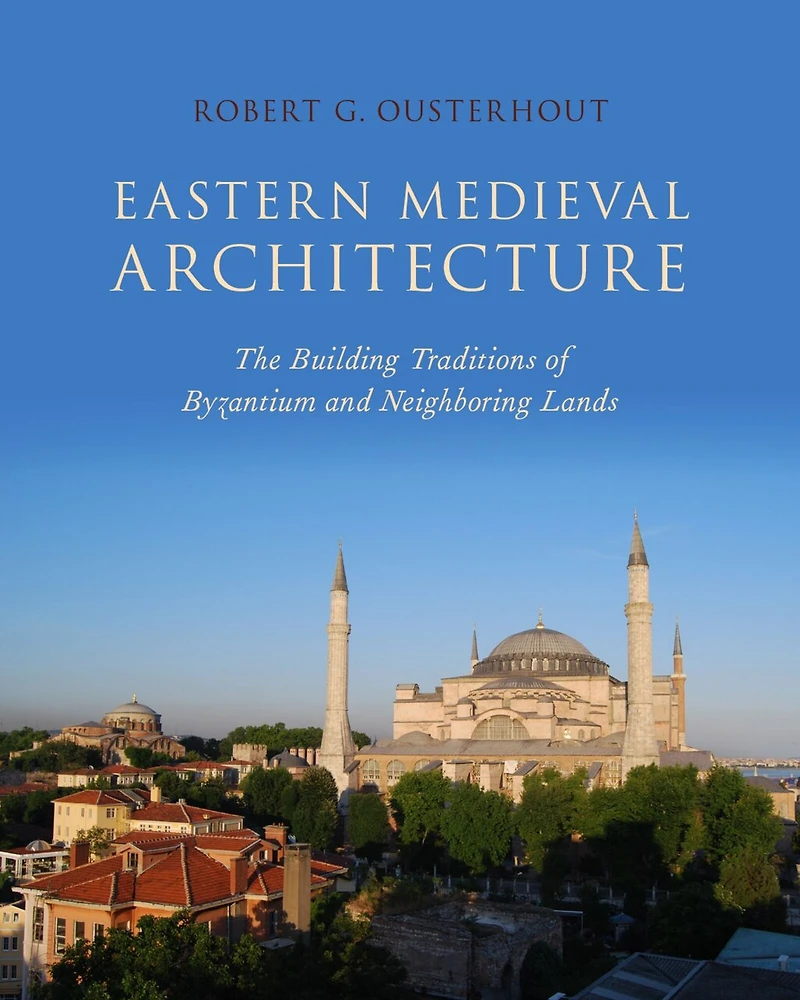
Eastern Medieval Architecture: The Building Traditions Of Byzantium And Neighboring Lands in Ottawa, ON
Current price: $83.95

Eastern Medieval Architecture: The Building Traditions Of Byzantium And Neighboring Lands in Ottawa, ON
Current price: $83.95
Loading Inventory...
Size: Hardcover
*Product information may vary - to confirm product availability, pricing, shipping and return information please contact Coles
The rich and diverse architectural traditions of the Eastern Mediterranean and adjacent regions are the subject of this book. Representing the visual residues of a "forgotten" Middle Ages, the social and cultural developments of the Byzantine Empire, the Caucasus, the Balkans, Russia, and the Middle East parallel the more familiar architecture of Western Europe. The book offers an expansive view of the architectural developments of the Byzantine Empire and areas under its cultural influence, as well as the intellectual currents that lie behind their creation. The book alternates chapters that address chronological or regionally-based developments with thematic studies that focus on the larger cultural concerns, as they are expressed in architectural form.
The rich and diverse architectural traditions of the Eastern Mediterranean and adjacent regions are the subject of this book. Representing the visual residues of a "forgotten" Middle Ages, the social and cultural developments of the Byzantine Empire, the Caucasus, the Balkans, Russia, and the Middle East parallel the more familiar architecture of Western Europe. The book offers an expansive view of the architectural developments of the Byzantine Empire and areas under its cultural influence, as well as the intellectual currents that lie behind their creation. The book alternates chapters that address chronological or regionally-based developments with thematic studies that focus on the larger cultural concerns, as they are expressed in architectural form.
You May Also Like









More About Coles at Bayshore Shopping Centre
Coles is renowned for its outstanding customer service and great selection of books. Along with the vast array of magazines, stationary, audio-books, children's literature, fiction, non-fiction and reference books, you can find accessories to make your reading experience more pleasurable. We can recommend the very best in reading today. We will help you search our titles for exactly what you need, and if we do not have it in stock, we will order it for you.
100 Bayshore Dr, Nepean, ON K2B 8C1, Canada
Find Coles at Bayshore Shopping Centre in Ottawa, ON
Visit Coles at Bayshore Shopping Centre in Ottawa, ON