

Give the Gift of Choice!
Too many options? Treat your friends and family to their favourite stores with a Bayshore Shopping Centre gift card, redeemable at participating retailers throughout the centre. Click below to purchase yours today!Purchase HereHome
EC Law and Minority Language Policy: Culture, Citizenship and Fundamental Rights
Coles
Loading Inventory...
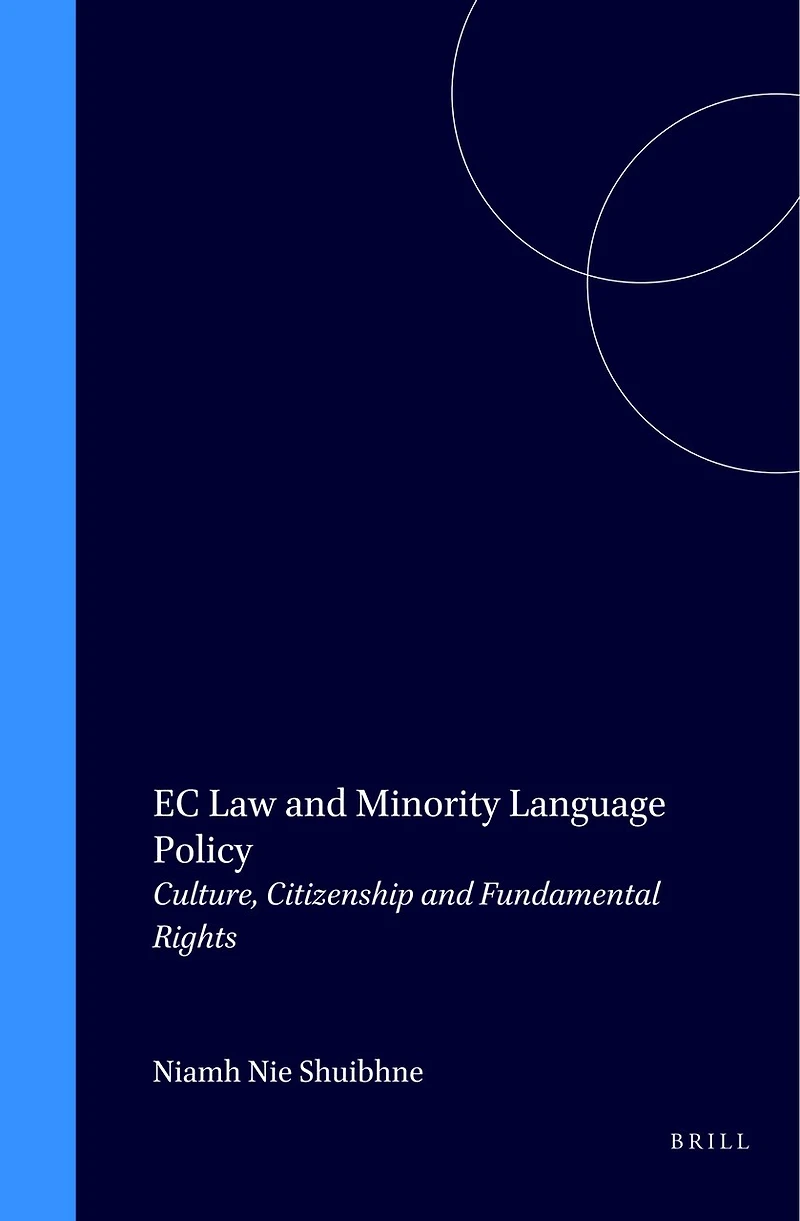
EC Law and Minority Language Policy: Culture, Citizenship and Fundamental Rights in Ottawa, ON
Current price: $327.99

EC Law and Minority Language Policy: Culture, Citizenship and Fundamental Rights in Ottawa, ON
Current price: $327.99
Loading Inventory...
Size: Hardcover
*Product information may vary - to confirm product availability, pricing, shipping and return information please contact Coles
The European Community has pledged respect for the cultural and linguistic diversity of its Member States and has recognized minority languages as an inherent constituent in this regard. This development reflects a broader trend within the Community towards grappling with less obvious aspects of supranational governance. Minority language groups turn optimistically to `Europe' in response.
But, despite rhetorical promises, just what can the EC actually be expected to do in the realm of minority language protection, a politically sensitive and traditionally domestic concern?
Arguments put forward to date focus primarily on philosophical, moral, economic, and political discourse. While these considerations are a vital aspect of the debate on minority languages and on linguistic diversity more generally, the question of legal basis remains largely unanswered.
For the first time, this book traces comprehensively the existence of an appropriate legal basis for action undertaken by the EC in this domain, striving in particular to locate a pragmatic yet effective balance between legitimate possibility and acceptable limitations.
The European Community has pledged respect for the cultural and linguistic diversity of its Member States and has recognized minority languages as an inherent constituent in this regard. This development reflects a broader trend within the Community towards grappling with less obvious aspects of supranational governance. Minority language groups turn optimistically to `Europe' in response.
But, despite rhetorical promises, just what can the EC actually be expected to do in the realm of minority language protection, a politically sensitive and traditionally domestic concern?
Arguments put forward to date focus primarily on philosophical, moral, economic, and political discourse. While these considerations are a vital aspect of the debate on minority languages and on linguistic diversity more generally, the question of legal basis remains largely unanswered.
For the first time, this book traces comprehensively the existence of an appropriate legal basis for action undertaken by the EC in this domain, striving in particular to locate a pragmatic yet effective balance between legitimate possibility and acceptable limitations.
You May Also Like




![Freedom from Global Obligations: [Redefining Fundamental Rights]](https://cdn.mall.adeptmind.ai/https%253A%252F%252Fcdn.shopify.com%252Fs%252Ffiles%252F1%252F0655%252F8980%252F5233%252Ffiles%252Fimage_bd28b71f-1da0-48b2-badb-900ab9e95905.jpg_medium.webp)








More About Coles at Bayshore Shopping Centre
Coles is renowned for its outstanding customer service and great selection of books. Along with the vast array of magazines, stationary, audio-books, children's literature, fiction, non-fiction and reference books, you can find accessories to make your reading experience more pleasurable. We can recommend the very best in reading today. We will help you search our titles for exactly what you need, and if we do not have it in stock, we will order it for you.
100 Bayshore Dr, Nepean, ON K2B 8C1, Canada
Find Coles at Bayshore Shopping Centre in Ottawa, ON
Visit Coles at Bayshore Shopping Centre in Ottawa, ON