

Give the Gift of Choice!
Too many options? Treat your friends and family to their favourite stores with a Bayshore Shopping Centre gift card, redeemable at participating retailers throughout the centre. Click below to purchase yours today!Purchase HereHome
Eco-Disasters in Japanese Cinema
Coles
Loading Inventory...
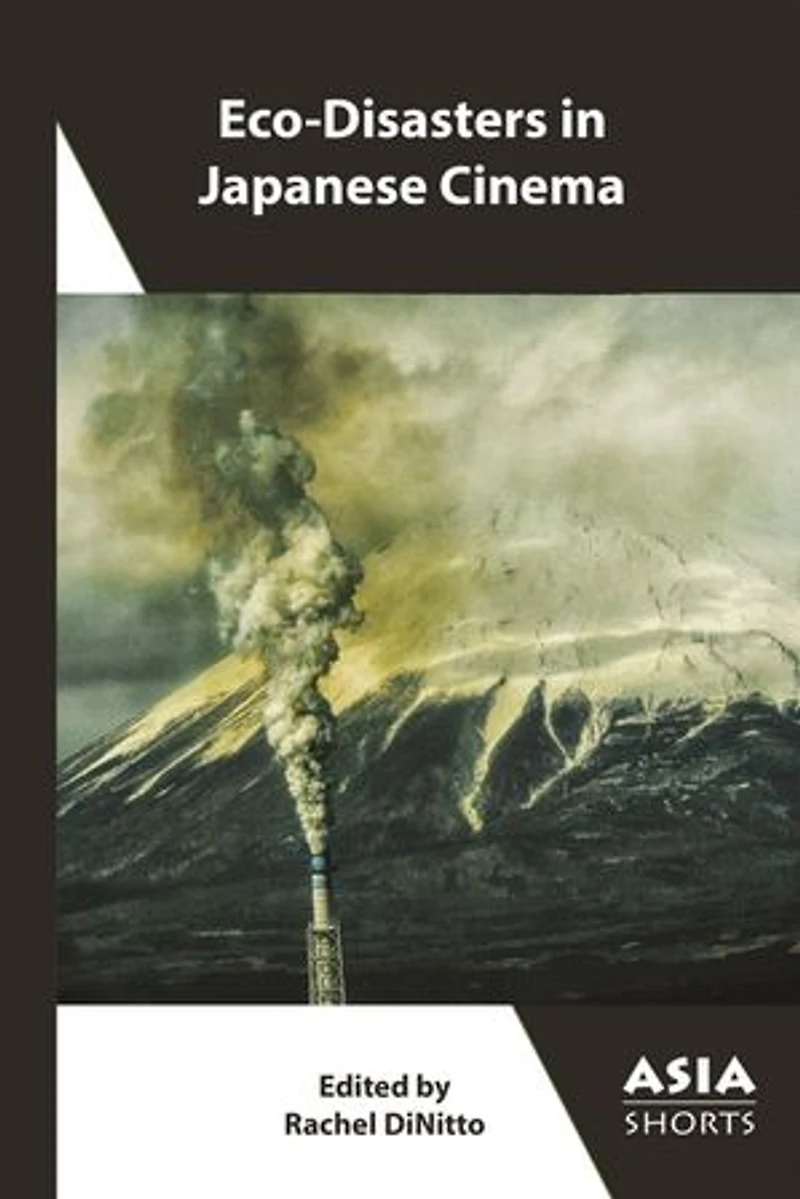
Eco-Disasters in Japanese Cinema in Ottawa, ON
Current price: $32.59
Original price: $40.70

Eco-Disasters in Japanese Cinema in Ottawa, ON
Current price: $32.59
Original price: $40.70
Loading Inventory...
Size: Kobo eBook
*Product information may vary - to confirm product availability, pricing, shipping and return information please contact Coles
Eco-Disasters in Japanese Cinema explores disaster as a powerful means for addressing environmental crises. It is the first volume dedicated to a multi-genre analysis of environmental themes in Japanese cinema. The films examined cover 1954-2020 and include documentaries, monster films, cult films, studio blockbusters, and activist cinema. The chapters highlight important moments in disaster ecocinema, introduce films not well known outside of Japan, and analyze films not previously read through an environmental lens. Chapters are organized under intersecting themes that address the slow and fast violence of local and planetary environmental destruction: toxicscapes, contaminated futures and childhoods, nuclear anxiety and violence, and ruined and apocalyptic landscapes. This volume showcases a range of directors, eras, audiences, and genres and illustrates the profound diversity of Japanese films that feature systemic assaults on the environment.
Eco-Disasters in Japanese Cinema explores disaster as a powerful means for addressing environmental crises. It is the first volume dedicated to a multi-genre analysis of environmental themes in Japanese cinema. The films examined cover 1954-2020 and include documentaries, monster films, cult films, studio blockbusters, and activist cinema. The chapters highlight important moments in disaster ecocinema, introduce films not well known outside of Japan, and analyze films not previously read through an environmental lens. Chapters are organized under intersecting themes that address the slow and fast violence of local and planetary environmental destruction: toxicscapes, contaminated futures and childhoods, nuclear anxiety and violence, and ruined and apocalyptic landscapes. This volume showcases a range of directors, eras, audiences, and genres and illustrates the profound diversity of Japanese films that feature systemic assaults on the environment.














More About Coles at Bayshore Shopping Centre
Coles is renowned for its outstanding customer service and great selection of books. Along with the vast array of magazines, stationary, audio-books, children's literature, fiction, non-fiction and reference books, you can find accessories to make your reading experience more pleasurable. We can recommend the very best in reading today. We will help you search our titles for exactly what you need, and if we do not have it in stock, we will order it for you.
100 Bayshore Dr, Nepean, ON K2B 8C1, Canada
Find Coles at Bayshore Shopping Centre in Ottawa, ON
Visit Coles at Bayshore Shopping Centre in Ottawa, ON