

Give the Gift of Choice!
Too many options? Treat your friends and family to their favourite stores with a Bayshore Shopping Centre gift card, redeemable at participating retailers throughout the centre. Click below to purchase yours today!Purchase HereHome
Ecocritics and Ecoskeptics: A Humanist Reading of Recent French Ecofiction
Coles
Loading Inventory...
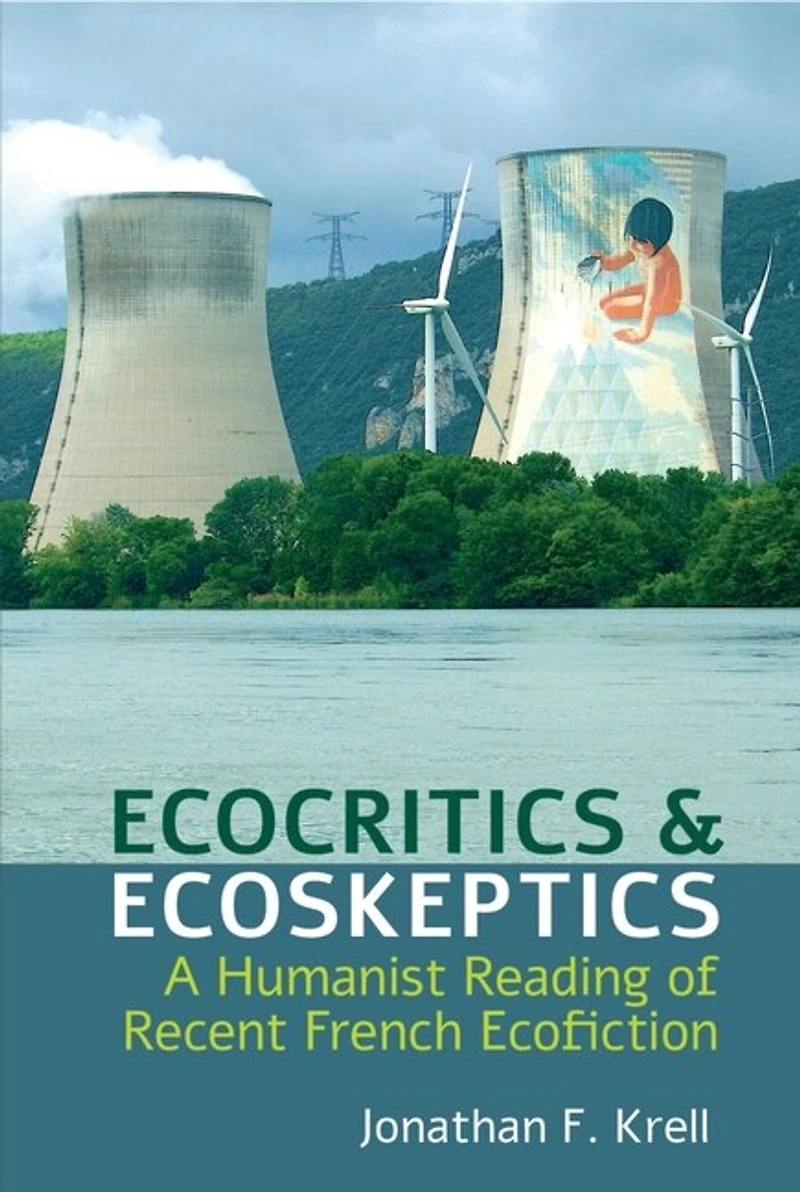
Ecocritics and Ecoskeptics: A Humanist Reading of Recent French Ecofiction in Ottawa, ON
By None
Current price: $216.95

By None
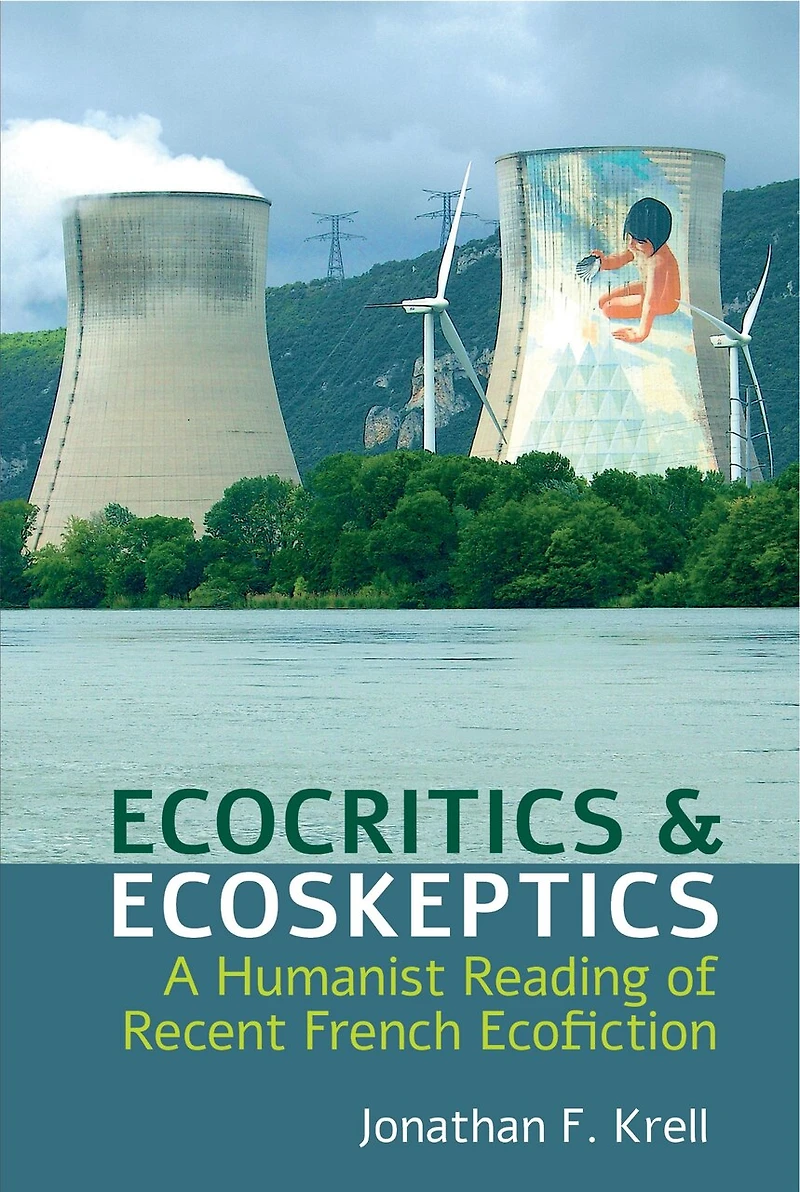
Ecocritics and Ecoskeptics: A Humanist Reading of Recent French Ecofiction in Ottawa, ON
Current price: $216.95
Loading Inventory...
Size: Hardcover
*Product information may vary - to confirm product availability, pricing, shipping and return information please contact Coles
In France, the fundamental intellectual debate over ecology might best be summarized by the contrasting views of Michel Serres and Luc Ferry. In The Natural Contract , Serres calls for an end to humans’ war on nature: Our world view must turn from anthropocentric to ecocentric, and our relationship to the earth must become symbiotic instead of parasitic. Luc Ferry’s response to Serres in The New Ecological Order ridicules the metaphor of a natural contract, by which humans (and humanism) would no longer reign over the earth. Ferry accuses Serres and other ecological thinkers of being “premodern” and “prehumanistic”; valuing nonhuman life as much as human life evokes the ridiculous trials of five centuries ago when beetles and rats were threatened with excommunication if they did not cease their antihuman activities.
After analyzing the Serres-Ferry debate, Ecocritics and Ecoskeptics examines environmental themes in novels by Michel Tournier, Stphane Audeguy, and Chantal Chawaf. It then considers the complex and evolving relationship between humans and animals as expressed in novels by Vercors and Olivia Rosenthal, and in philosophical works by Jacques Derrida, lisabeth de Fontenay, and Peter Singer, among others. Two novels each by the humanist J.-C. Rufin and the humorist Iegor Gran provide a dose of healthy skepticism. Rufin’s stories reveal the potential dark side of extreme environmentalism—authoritarianism and terrorism—while Gran’s hilarious satires critique some environmentalists’ piousness, opportunism, humorlessness, and antihumanism. The book concludes that environmentalism and humanism are not incompatible, if we proceed beyond the traditional humanism of Ferry and other modernists. Essays by philosophers such as Claude Lvi-Strauss, Pierre Rabhi, Edgar Morin, and Michel Maffesoli demonstrate that an inclusive, ecological humanism is not only possible but necessary for our survival.
In France, the fundamental intellectual debate over ecology might best be summarized by the contrasting views of Michel Serres and Luc Ferry. In The Natural Contract , Serres calls for an end to humans’ war on nature: Our world view must turn from anthropocentric to ecocentric, and our relationship to the earth must become symbiotic instead of parasitic. Luc Ferry’s response to Serres in The New Ecological Order ridicules the metaphor of a natural contract, by which humans (and humanism) would no longer reign over the earth. Ferry accuses Serres and other ecological thinkers of being “premodern” and “prehumanistic”; valuing nonhuman life as much as human life evokes the ridiculous trials of five centuries ago when beetles and rats were threatened with excommunication if they did not cease their antihuman activities.
After analyzing the Serres-Ferry debate, Ecocritics and Ecoskeptics examines environmental themes in novels by Michel Tournier, Stphane Audeguy, and Chantal Chawaf. It then considers the complex and evolving relationship between humans and animals as expressed in novels by Vercors and Olivia Rosenthal, and in philosophical works by Jacques Derrida, lisabeth de Fontenay, and Peter Singer, among others. Two novels each by the humanist J.-C. Rufin and the humorist Iegor Gran provide a dose of healthy skepticism. Rufin’s stories reveal the potential dark side of extreme environmentalism—authoritarianism and terrorism—while Gran’s hilarious satires critique some environmentalists’ piousness, opportunism, humorlessness, and antihumanism. The book concludes that environmentalism and humanism are not incompatible, if we proceed beyond the traditional humanism of Ferry and other modernists. Essays by philosophers such as Claude Lvi-Strauss, Pierre Rabhi, Edgar Morin, and Michel Maffesoli demonstrate that an inclusive, ecological humanism is not only possible but necessary for our survival.
You May Also Like
















More About Coles at Bayshore Shopping Centre
Coles is renowned for its outstanding customer service and great selection of books. Along with the vast array of magazines, stationary, audio-books, children's literature, fiction, non-fiction and reference books, you can find accessories to make your reading experience more pleasurable. We can recommend the very best in reading today. We will help you search our titles for exactly what you need, and if we do not have it in stock, we will order it for you.
100 Bayshore Dr, Nepean, ON K2B 8C1, Canada
Find Coles at Bayshore Shopping Centre in Ottawa, ON
Visit Coles at Bayshore Shopping Centre in Ottawa, ON