

Give the Gift of Choice!
Too many options? Treat your friends and family to their favourite stores with a Bayshore Shopping Centre gift card, redeemable at participating retailers throughout the centre. Click below to purchase yours today!Purchase HereHome
Economic Diversity in Contemporary Timor-Leste
Coles
Loading Inventory...
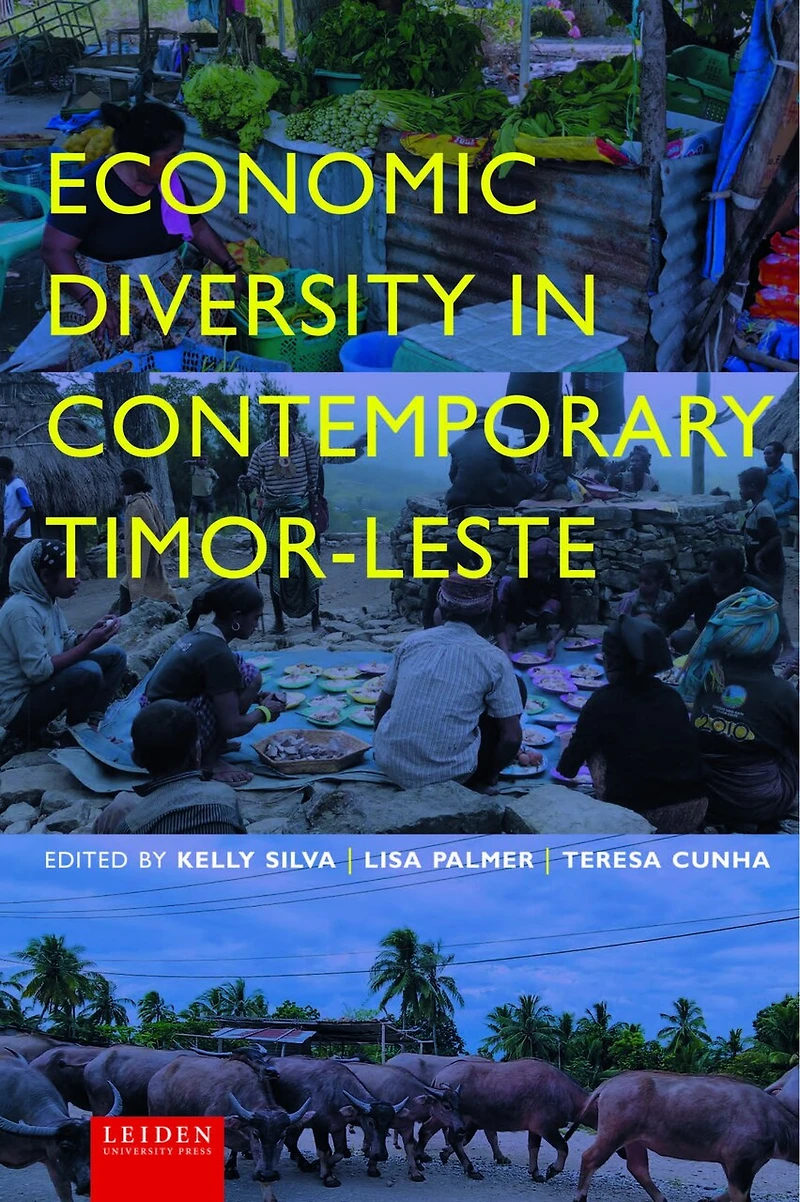
Economic Diversity in Contemporary Timor-Leste in Ottawa, ON
By None
Current price: $198.95

By None
Economic Diversity in Contemporary Timor-Leste in Ottawa, ON
Current price: $198.95
Loading Inventory...
Size: Hardcover
*Product information may vary - to confirm product availability, pricing, shipping and return information please contact Coles
Economic Diversity in Contemporary Timor-Leste analyses various economic dynamics in past and present Timor-Leste. Comprising 14 research chapters, the volume brings to the fore: 1) local, community-based economic values and arrangements; 2) community-based entanglements with a market-driven economy; 3) the colonial and postcolonial governance praxis through which a market-driven economy has permeated the country, and 4) the creative and place-based ways through which local people have responded to these transformations. The collection challenges hegemonic, market-driven analyses which characterise Timor-Leste’s economy as weak, deformed and homogenised and demonstrates the myriad of socially embedded ways through which Timor-Leste’s economy is diverse, richly complex and continually brought into being. To frame the analysis of these complex economic dynamics in Timor-Leste, the collection’s introduction develops the concept of economic ecologies: the assemblages of institutions and their localised and historical relationships mobilised for reproducing collective life, both in its material and immaterial aspects.
Economic Diversity in Contemporary Timor-Leste analyses various economic dynamics in past and present Timor-Leste. Comprising 14 research chapters, the volume brings to the fore: 1) local, community-based economic values and arrangements; 2) community-based entanglements with a market-driven economy; 3) the colonial and postcolonial governance praxis through which a market-driven economy has permeated the country, and 4) the creative and place-based ways through which local people have responded to these transformations. The collection challenges hegemonic, market-driven analyses which characterise Timor-Leste’s economy as weak, deformed and homogenised and demonstrates the myriad of socially embedded ways through which Timor-Leste’s economy is diverse, richly complex and continually brought into being. To frame the analysis of these complex economic dynamics in Timor-Leste, the collection’s introduction develops the concept of economic ecologies: the assemblages of institutions and their localised and historical relationships mobilised for reproducing collective life, both in its material and immaterial aspects.
You May Also Like









More About Coles at Bayshore Shopping Centre
Coles is renowned for its outstanding customer service and great selection of books. Along with the vast array of magazines, stationary, audio-books, children's literature, fiction, non-fiction and reference books, you can find accessories to make your reading experience more pleasurable. We can recommend the very best in reading today. We will help you search our titles for exactly what you need, and if we do not have it in stock, we will order it for you.
100 Bayshore Dr, Nepean, ON K2B 8C1, Canada
Find Coles at Bayshore Shopping Centre in Ottawa, ON
Visit Coles at Bayshore Shopping Centre in Ottawa, ON