

Give the Gift of Choice!
Too many options? Treat your friends and family to their favourite stores with a Bayshore Shopping Centre gift card, redeemable at participating retailers throughout the centre. Click below to purchase yours today!Purchase HereHome
Education And The Kyoto School Of Philosophy: Pedagogy For Human Transformation
Coles
Loading Inventory...
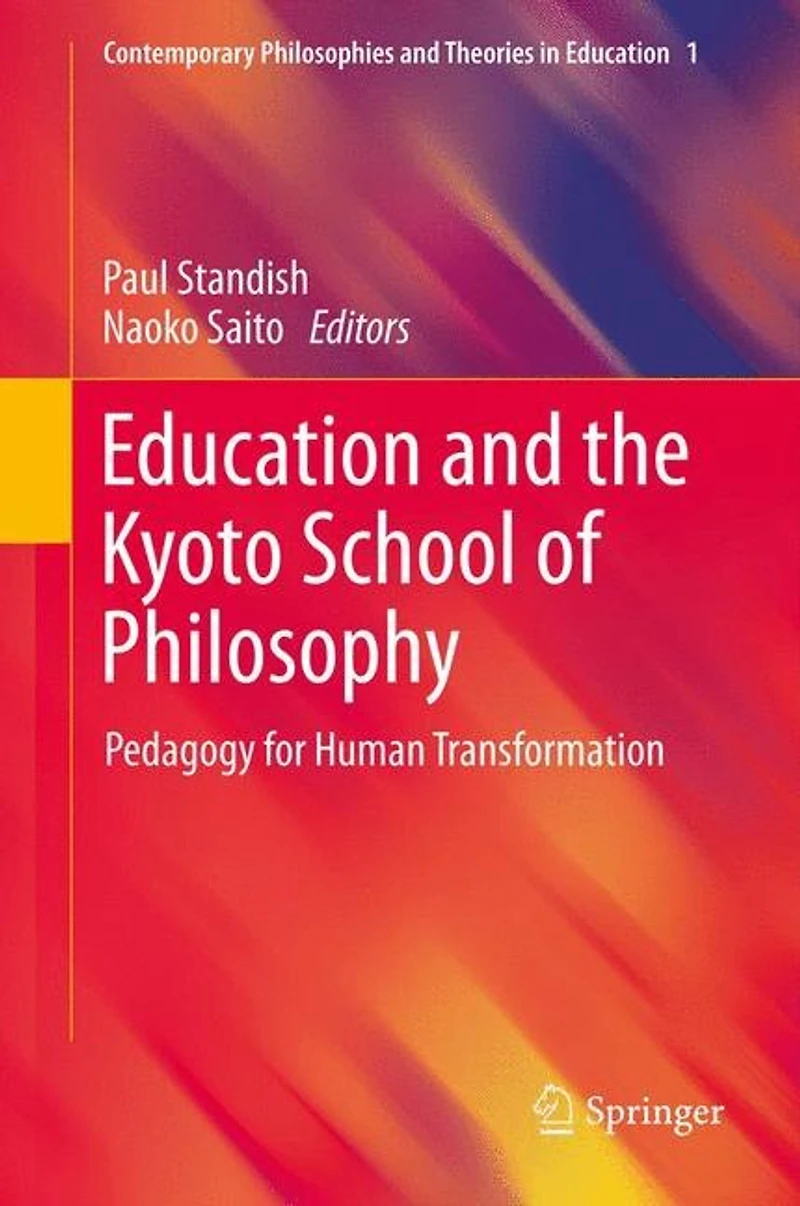
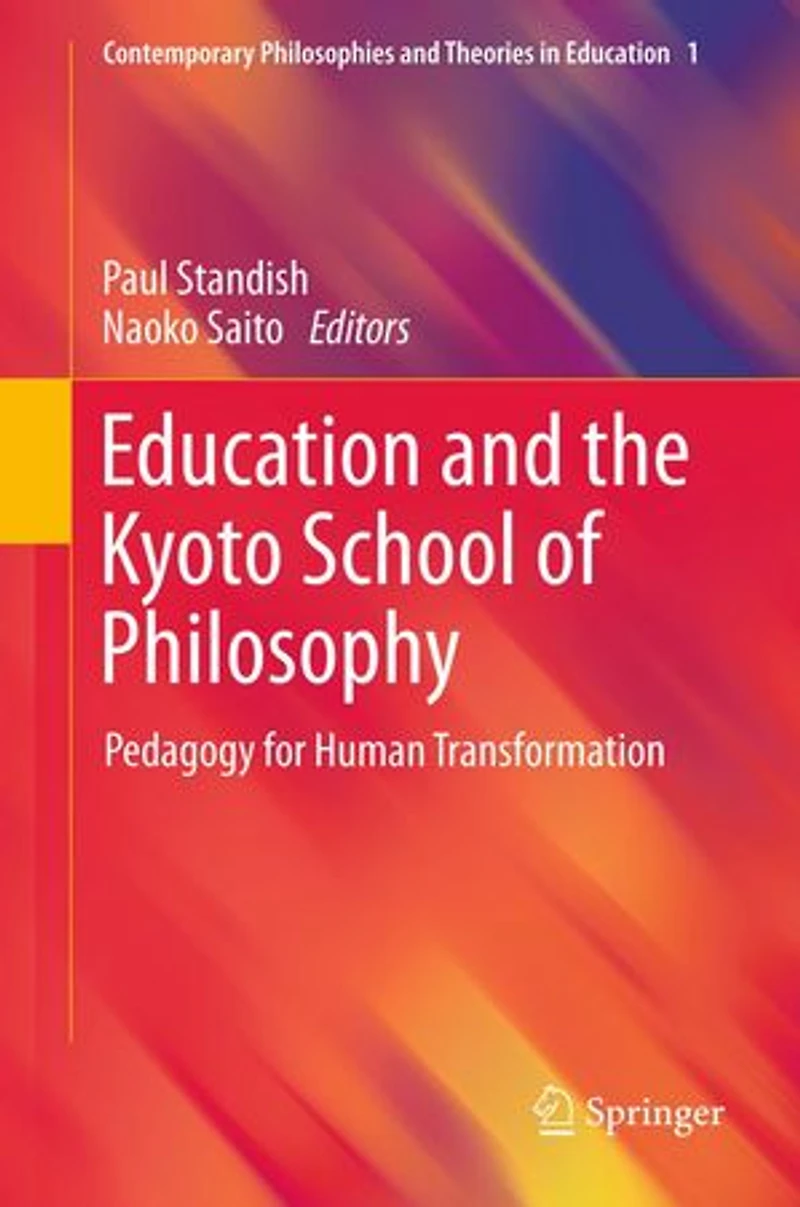
Education And The Kyoto School Of Philosophy: Pedagogy For Human Transformation in Ottawa, ON
Current price: $160.95

Education And The Kyoto School Of Philosophy: Pedagogy For Human Transformation in Ottawa, ON
Current price: $160.95
Loading Inventory...
Size: Hardcover
*Product information may vary - to confirm product availability, pricing, shipping and return information please contact Coles
The work of the Kyoto School represents one of the few streams of philosophy that originate in Japan. Following the cultural renaissance of the Meiji Restoration after Japan's period of closure to the outside world (1600-1868), this distinctly Japanese thought found expression especially in the work of Kitaro Nishida, Keiji Nishitani and Hajime Tanabe. Above all this is a philosophy of experience, of human becoming, and of transformation. In pursuit of these themes it brings an inheritance of Western philosophy that encompasses William James, Hume, Kant and Husserl, as well as the psychology of Wilhelm Wundt, into conjunction with Eastern thought and practice. Yet the legacy and continuing reception of the Kyoto School have not been easy, in part because of the coincidence of its prominence with the rise of Japanese fascism. In light of this, then, the School's ongoing relationship to the thought of Heidegger has an added salience. And yet this remains a rich philosophical line of thought with remarkable salience for educational practice. The present collection focuses on the Kyoto School in three unique ways. First, it concentrates on the School's distinctive account of human becoming. Second, it examines the way that, in the work of its principal exponents, diverse traditions of thought in philosophy and education are encountered and fused. Third, and with a broader canvas, it considers why the rich implications of the Kyoto School for for philosophy and education have not been more widely appreciated, and it seeks to remedy this. The first part of the book introduces the historical and philosophical background of the Kyoto School, illustrating its importance especially for aesthetic education, while the second part looks beyond this to explore the convergence of relevant streams of philosophy, East and West, ranging from the Noh play and Buddhist practices to American transcendentalism and post-structuralism.
The work of the Kyoto School represents one of the few streams of philosophy that originate in Japan. Following the cultural renaissance of the Meiji Restoration after Japan's period of closure to the outside world (1600-1868), this distinctly Japanese thought found expression especially in the work of Kitaro Nishida, Keiji Nishitani and Hajime Tanabe. Above all this is a philosophy of experience, of human becoming, and of transformation. In pursuit of these themes it brings an inheritance of Western philosophy that encompasses William James, Hume, Kant and Husserl, as well as the psychology of Wilhelm Wundt, into conjunction with Eastern thought and practice. Yet the legacy and continuing reception of the Kyoto School have not been easy, in part because of the coincidence of its prominence with the rise of Japanese fascism. In light of this, then, the School's ongoing relationship to the thought of Heidegger has an added salience. And yet this remains a rich philosophical line of thought with remarkable salience for educational practice. The present collection focuses on the Kyoto School in three unique ways. First, it concentrates on the School's distinctive account of human becoming. Second, it examines the way that, in the work of its principal exponents, diverse traditions of thought in philosophy and education are encountered and fused. Third, and with a broader canvas, it considers why the rich implications of the Kyoto School for for philosophy and education have not been more widely appreciated, and it seeks to remedy this. The first part of the book introduces the historical and philosophical background of the Kyoto School, illustrating its importance especially for aesthetic education, while the second part looks beyond this to explore the convergence of relevant streams of philosophy, East and West, ranging from the Noh play and Buddhist practices to American transcendentalism and post-structuralism.
You May Also Like










More About Coles at Bayshore Shopping Centre
Coles is renowned for its outstanding customer service and great selection of books. Along with the vast array of magazines, stationary, audio-books, children's literature, fiction, non-fiction and reference books, you can find accessories to make your reading experience more pleasurable. We can recommend the very best in reading today. We will help you search our titles for exactly what you need, and if we do not have it in stock, we will order it for you.
100 Bayshore Dr, Nepean, ON K2B 8C1, Canada
Find Coles at Bayshore Shopping Centre in Ottawa, ON
Visit Coles at Bayshore Shopping Centre in Ottawa, ON