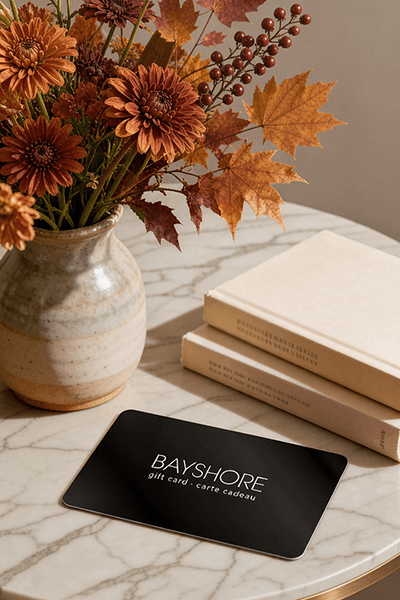
Too many options? Treat your friends and family to their favourite stores with a Bayshore Shopping Centre gift card, redeemable at participating retailers throughout the centre. Click below to purchase yours today!Purchase Here
Coles Emerging Powers in Eurasian Comparison, 200–1100: Shadows of Empire at Bayshore Shopping Centre in Ottawa, ON
*Product information may vary - to confirm product availability, pricing, shipping and return information please contact Coles
This book compares the ways in which new powers arose in the shadows of the Roman Empire and its Byzantine and Carolingian successors, of Iran, the Caliphate and China in the first millennium CE. These new powers were often established by external military elites who had served the empire. They remained in an uneasy balance with the remaining empire, could eventually replace it, or be drawn into the imperial sphere again. Some relied on dynastic legitimacy, others on ethnic identification, while most of them sought imperial legitimation. Across Eurasia, their dynamic was similar in many respects; why were the outcomes so different?
Contributors are Alexander Beihammer, Maaike van Berkel, Francesco Borri, Andrew Chittick, Michael R. Drompp, Stefan Esders, Ildar Garipzanov, Jürgen Paul, Walter Pohl, Johannes Preiser-Kapeller, Helmut Reimitz, Jonathan Shepard, Q. Edward Wang, Veronika Wieser, and Ian N. Wood.
This book compares the ways in which new powers arose in the shadows of the Roman Empire and its Byzantine and Carolingian successors, of Iran, the Caliphate and China in the first millennium CE. These new powers were often established by external military elites who had served the empire. They remained in an uneasy balance with the remaining empire, could eventually replace it, or be drawn into the imperial sphere again. Some relied on dynastic legitimacy, others on ethnic identification, while most of them sought imperial legitimation. Across Eurasia, their dynamic was similar in many respects; why were the outcomes so different?
Contributors are Alexander Beihammer, Maaike van Berkel, Francesco Borri, Andrew Chittick, Michael R. Drompp, Stefan Esders, Ildar Garipzanov, Jürgen Paul, Walter Pohl, Johannes Preiser-Kapeller, Helmut Reimitz, Jonathan Shepard, Q. Edward Wang, Veronika Wieser, and Ian N. Wood.
Coles is renowned for its outstanding customer service and great selection of books. Along with the vast array of magazines, stationary, audio-books, children's literature, fiction, non-fiction and reference books, you can find accessories to make your reading experience more pleasurable. We can recommend the very best in reading today. We will help you search our titles for exactly what you need, and if we do not have it in stock, we will order it for you.