

Give the Gift of Choice!
Too many options? Treat your friends and family to their favourite stores with a Bayshore Shopping Centre gift card, redeemable at participating retailers throughout the centre. Click below to purchase yours today!Purchase HereHome
Empire, Political Economy, and the Diffusion of Chocolate Atlantic World
Coles
Loading Inventory...
Empire, Political Economy, and the Diffusion of Chocolate Atlantic World in Ottawa, ON
Current price: $84.13

Empire, Political Economy, and the Diffusion of Chocolate Atlantic World in Ottawa, ON
Current price: $84.13
Loading Inventory...
Size: Kobo eBook
*Product information may vary - to confirm product availability, pricing, shipping and return information please contact Coles
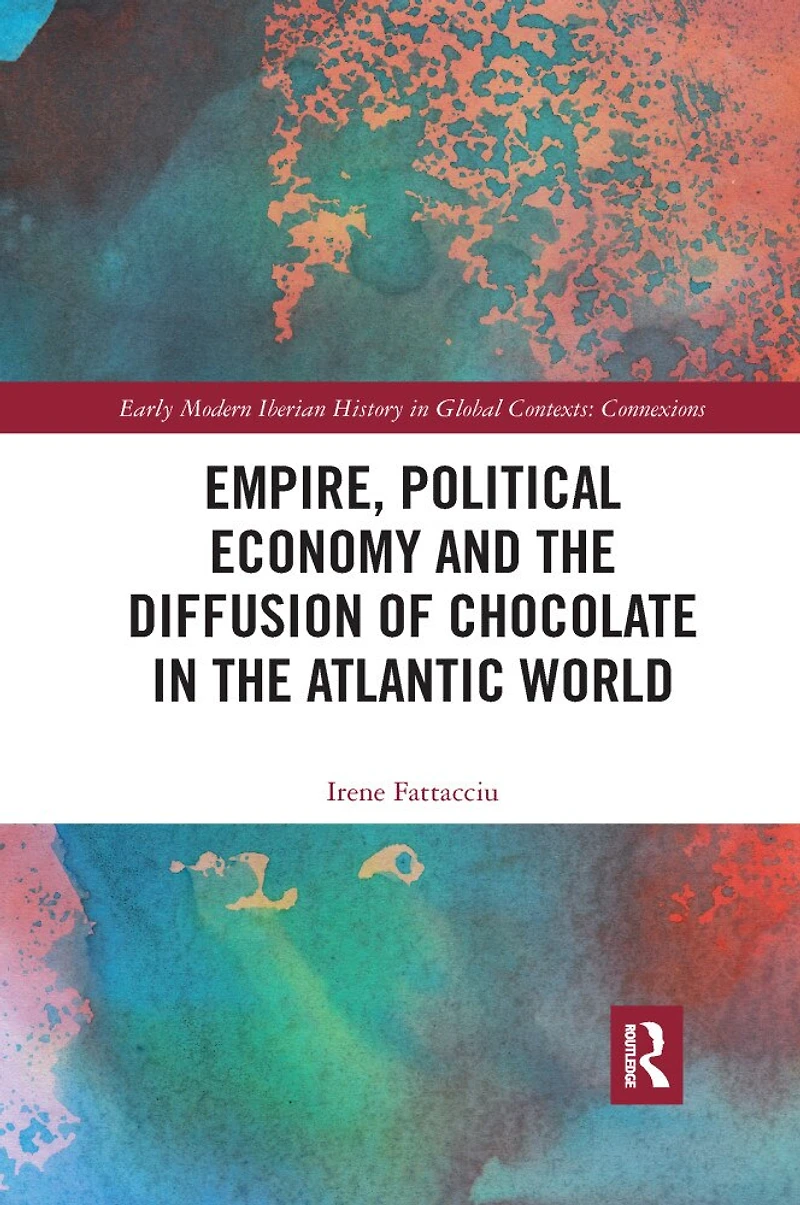
Chocolate is one of the most visible examples of how a deeply exotic consumer product penetrating our daily lives fascinated Europeans during the Early Modern period. Today, over fifty percent of the four million tons of cocoa produced globally come from Sub-Saharan Africa. Ecuadorian cocoa, on the other hand, is considered premium quality. Yet the fact that Ecuadorian cocoa is preferred by today's artisanal chocolate makers is one of history's ironic turns. During the eighteenth century, production and exports of Ecuadorian cocoa dramatically expanded due to its fast growth rate, high yield and low price, though certainly not due to its qualities of taste. This book analyzes the transition of chocolate from an exotic curiosity to an Atlantic commodity. It shows how local, inter-regional, and Atlantic markets interacted with one another and with imperial political economies. It explains how these interactions, intertwined with the resilience of local artisanal production, promoted the partial democratization of chocolate consumption as well as economic growth.
Chocolate is one of the most visible examples of how a deeply exotic consumer product penetrating our daily lives fascinated Europeans during the Early Modern period. Today, over fifty percent of the four million tons of cocoa produced globally come from Sub-Saharan Africa. Ecuadorian cocoa, on the other hand, is considered premium quality. Yet the fact that Ecuadorian cocoa is preferred by today's artisanal chocolate makers is one of history's ironic turns. During the eighteenth century, production and exports of Ecuadorian cocoa dramatically expanded due to its fast growth rate, high yield and low price, though certainly not due to its qualities of taste. This book analyzes the transition of chocolate from an exotic curiosity to an Atlantic commodity. It shows how local, inter-regional, and Atlantic markets interacted with one another and with imperial political economies. It explains how these interactions, intertwined with the resilience of local artisanal production, promoted the partial democratization of chocolate consumption as well as economic growth.
You May Also Like







More About Coles at Bayshore Shopping Centre
Coles is renowned for its outstanding customer service and great selection of books. Along with the vast array of magazines, stationary, audio-books, children's literature, fiction, non-fiction and reference books, you can find accessories to make your reading experience more pleasurable. We can recommend the very best in reading today. We will help you search our titles for exactly what you need, and if we do not have it in stock, we will order it for you.
100 Bayshore Dr, Nepean, ON K2B 8C1, Canada
Find Coles at Bayshore Shopping Centre in Ottawa, ON
Visit Coles at Bayshore Shopping Centre in Ottawa, ON