

Give the Gift of Choice!
Too many options? Treat your friends and family to their favourite stores with a Bayshore Shopping Centre gift card, redeemable at participating retailers throughout the centre. Click below to purchase yours today!Purchase HereHome
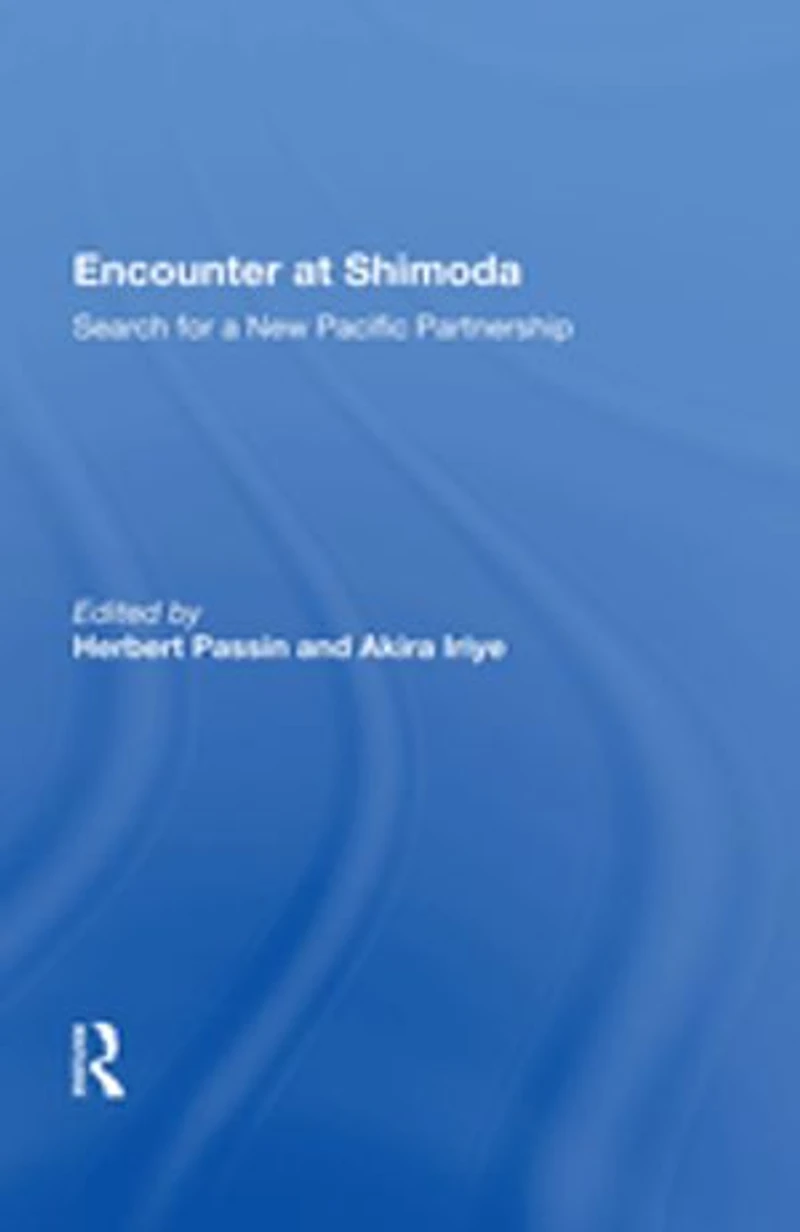
Encounter At Shimoda: Search For A New Pacific Partnership
Coles
Loading Inventory...
Encounter At Shimoda: Search For A New Pacific Partnership in Ottawa, ON
Current price: $81.42

Encounter At Shimoda: Search For A New Pacific Partnership in Ottawa, ON
Current price: $81.42
Loading Inventory...
Size: Kobo eBook
*Product information may vary - to confirm product availability, pricing, shipping and return information please contact Coles
The United States and Japan are the two largest democracies in today’s world. The United States is still a superpower economically, militarily, and intellectually, but its traditional independence has changed to a position that requires cooperation and mutual understanding with its major allies and especially with Japan. Japan, also an economic super-power, enormously rich in human, economic, and intellectual resources, but very weak in natural resources, has an equal need for cooperation, military support, and teamwork on all levels. Both nations accept an obligation to contribute their resources fully toward the solution to the world’s problems. Consequently, new forms of dialogues and new instruments of cooperation must be devised based on a sophisticated, mutually agreed upon data base. These discussions from the Fourth Shimoda Conference (September 1-4, 1977) explore some of those new directions.
The United States and Japan are the two largest democracies in today’s world. The United States is still a superpower economically, militarily, and intellectually, but its traditional independence has changed to a position that requires cooperation and mutual understanding with its major allies and especially with Japan. Japan, also an economic super-power, enormously rich in human, economic, and intellectual resources, but very weak in natural resources, has an equal need for cooperation, military support, and teamwork on all levels. Both nations accept an obligation to contribute their resources fully toward the solution to the world’s problems. Consequently, new forms of dialogues and new instruments of cooperation must be devised based on a sophisticated, mutually agreed upon data base. These discussions from the Fourth Shimoda Conference (September 1-4, 1977) explore some of those new directions.
You May Also Like










More About Coles at Bayshore Shopping Centre
Coles is renowned for its outstanding customer service and great selection of books. Along with the vast array of magazines, stationary, audio-books, children's literature, fiction, non-fiction and reference books, you can find accessories to make your reading experience more pleasurable. We can recommend the very best in reading today. We will help you search our titles for exactly what you need, and if we do not have it in stock, we will order it for you.
100 Bayshore Dr, Nepean, ON K2B 8C1, Canada
Find Coles at Bayshore Shopping Centre in Ottawa, ON
Visit Coles at Bayshore Shopping Centre in Ottawa, ON