

Give the Gift of Choice!
Too many options? Treat your friends and family to their favourite stores with a Bayshore Shopping Centre gift card, redeemable at participating retailers throughout the centre. Click below to purchase yours today!Purchase HereHome
English Political Thought: 1603-1644
Coles
Loading Inventory...
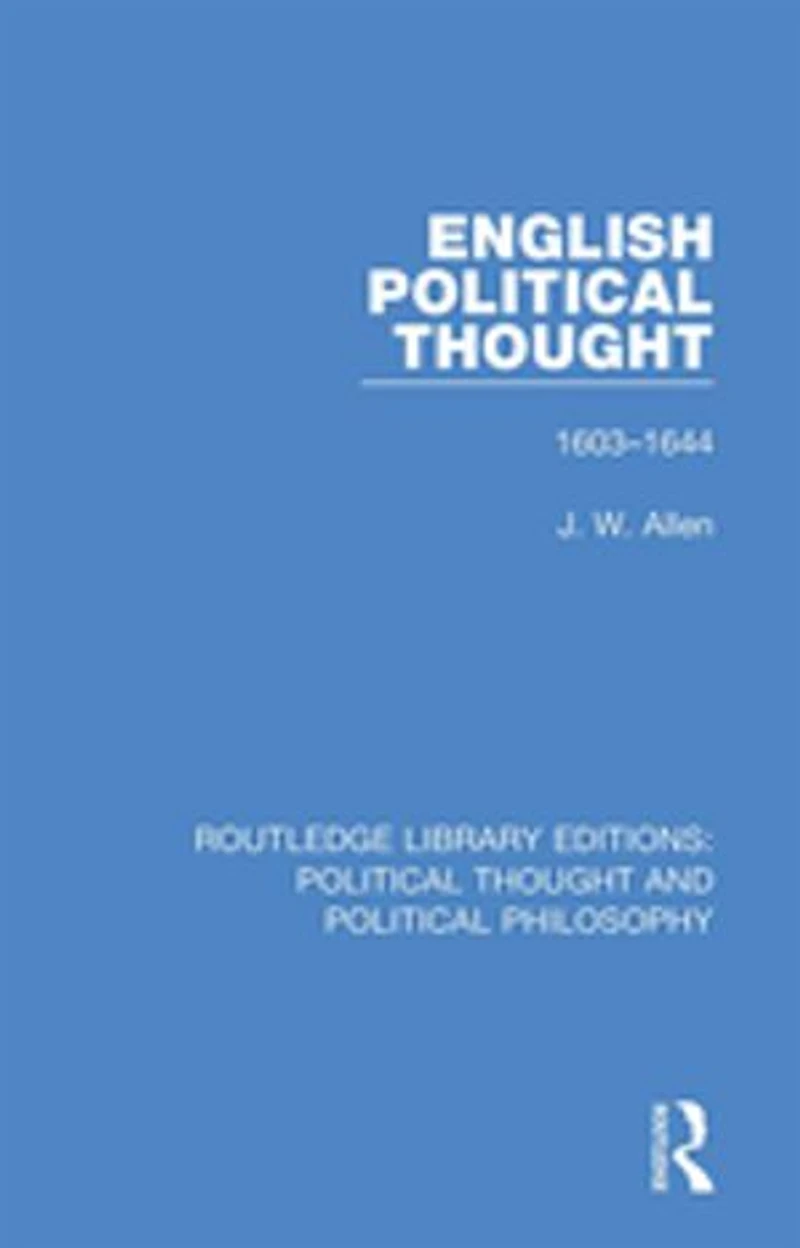
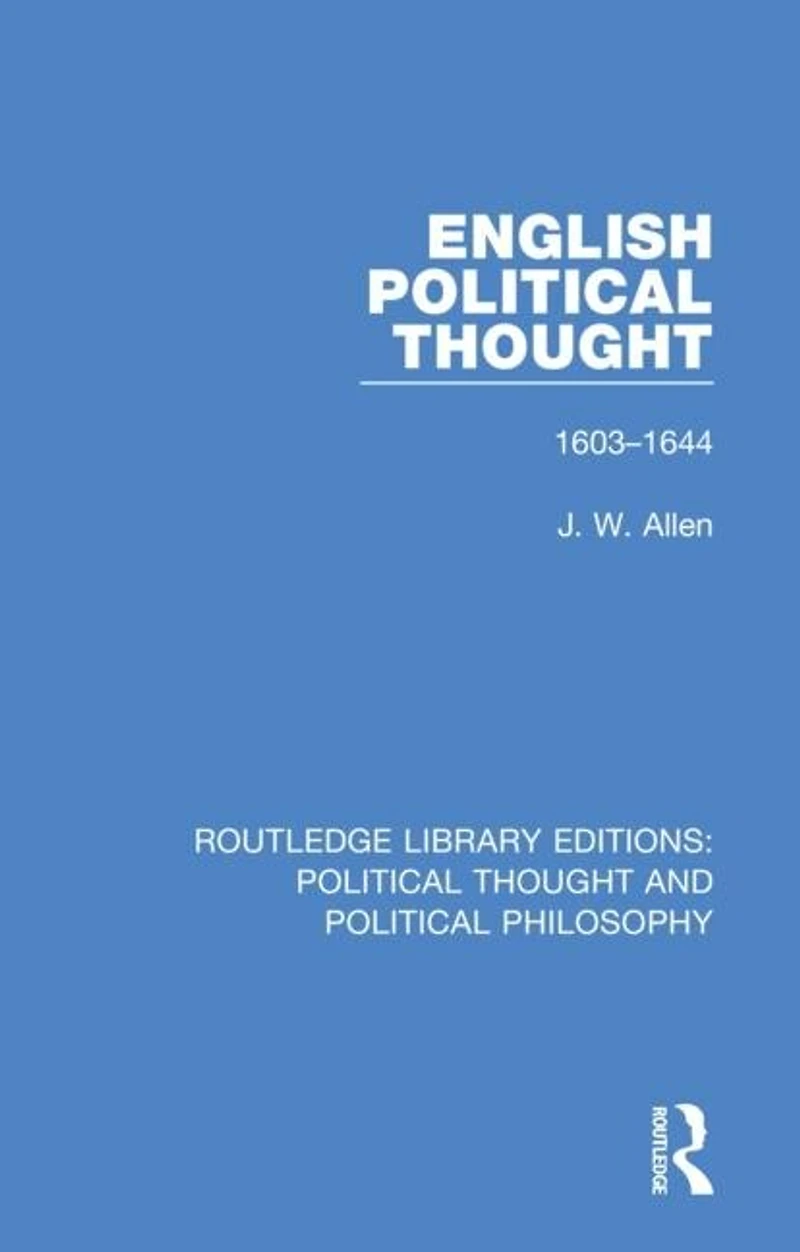
English Political Thought: 1603-1644 in Ottawa, ON
Current price: $92.28

English Political Thought: 1603-1644 in Ottawa, ON
Current price: $92.28
Loading Inventory...
Size: Kobo eBook
*Product information may vary - to confirm product availability, pricing, shipping and return information please contact Coles
First published in 1938. A study of the political doctrines and events which led to a hardening of lines between the Royalists and the Parliamentarians. "From the March of 1604, when James I met his first Parliament to the assembly of the Long Parliament in November 1640, there was going on a conflict between irreconcilable views concerning the constitution of government in England. It was concerned with what had been and with what was and, necessarily, with what should be." By 1640 the question soon would be "how stable government could ever again be established . . . But the confusion, if it produced little else of value, produced a ferment of thought." And this ferment has had an incalculable effect on the centuries which have followed. Among the many topics discussed, on the basis of firm knowledge and with reasonableness, are the King and the nature of his claim, the parliamentary opposition and its conceptions and the possibility of compromise, the approach to Toleration, Puritanism and the Laudian Church, and the final collapse of government.
First published in 1938. A study of the political doctrines and events which led to a hardening of lines between the Royalists and the Parliamentarians. "From the March of 1604, when James I met his first Parliament to the assembly of the Long Parliament in November 1640, there was going on a conflict between irreconcilable views concerning the constitution of government in England. It was concerned with what had been and with what was and, necessarily, with what should be." By 1640 the question soon would be "how stable government could ever again be established . . . But the confusion, if it produced little else of value, produced a ferment of thought." And this ferment has had an incalculable effect on the centuries which have followed. Among the many topics discussed, on the basis of firm knowledge and with reasonableness, are the King and the nature of his claim, the parliamentary opposition and its conceptions and the possibility of compromise, the approach to Toleration, Puritanism and the Laudian Church, and the final collapse of government.
You May Also Like










More About Coles at Bayshore Shopping Centre
Coles is renowned for its outstanding customer service and great selection of books. Along with the vast array of magazines, stationary, audio-books, children's literature, fiction, non-fiction and reference books, you can find accessories to make your reading experience more pleasurable. We can recommend the very best in reading today. We will help you search our titles for exactly what you need, and if we do not have it in stock, we will order it for you.
100 Bayshore Dr, Nepean, ON K2B 8C1, Canada
Find Coles at Bayshore Shopping Centre in Ottawa, ON
Visit Coles at Bayshore Shopping Centre in Ottawa, ON