

Give the Gift of Choice!
Too many options? Treat your friends and family to their favourite stores with a Bayshore Shopping Centre gift card, redeemable at participating retailers throughout the centre. Click below to purchase yours today!Purchase HereHome
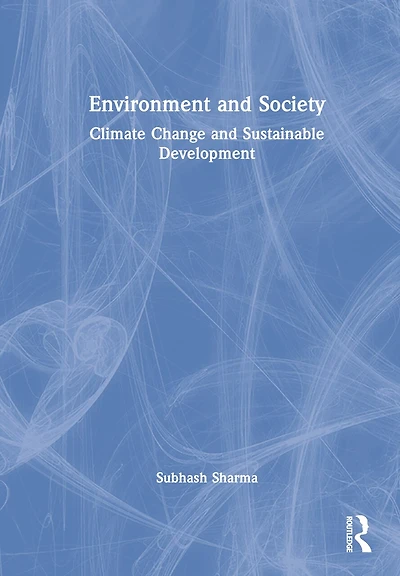
Environment and Society Byzantium, 650-1150: Between the Oak Olive
Coles
Loading Inventory...
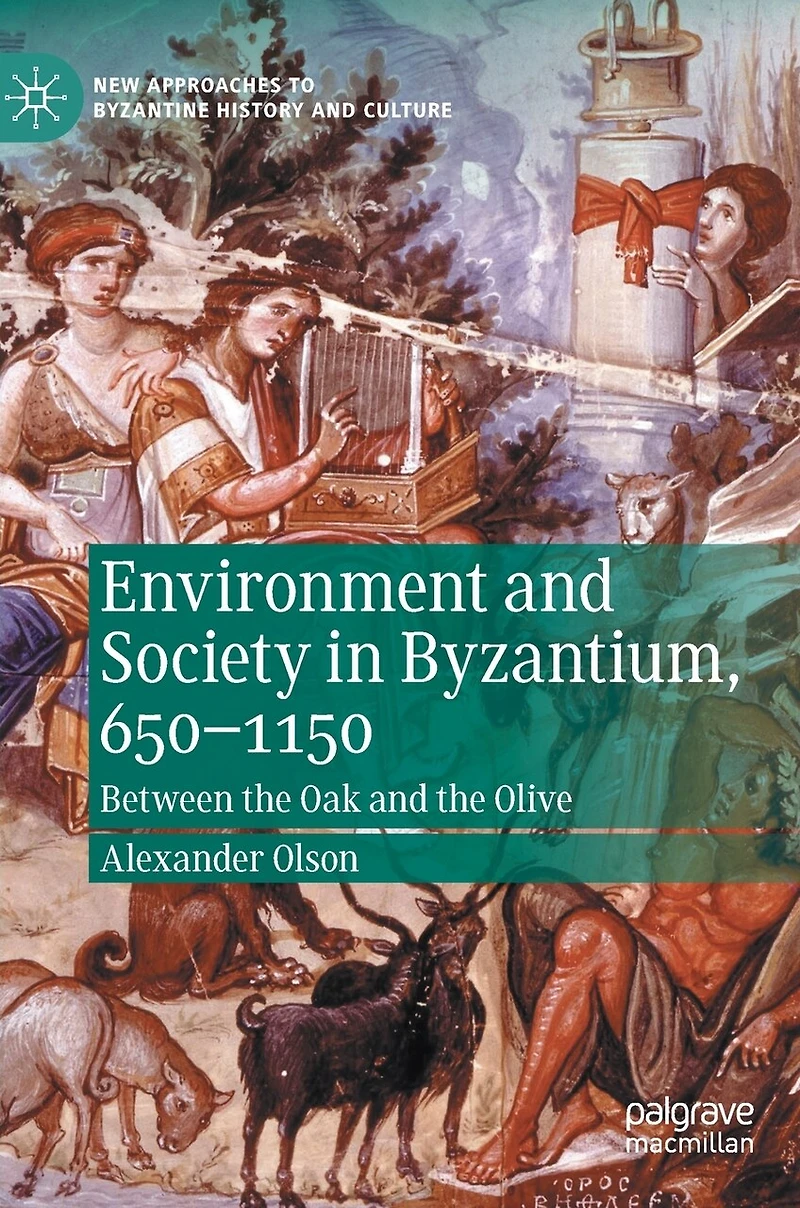
Environment and Society Byzantium, 650-1150: Between the Oak Olive in Ottawa, ON
Current price: $189.95

Environment and Society Byzantium, 650-1150: Between the Oak Olive in Ottawa, ON
Current price: $189.95
Loading Inventory...
Size: Hardcover
*Product information may vary - to confirm product availability, pricing, shipping and return information please contact Coles
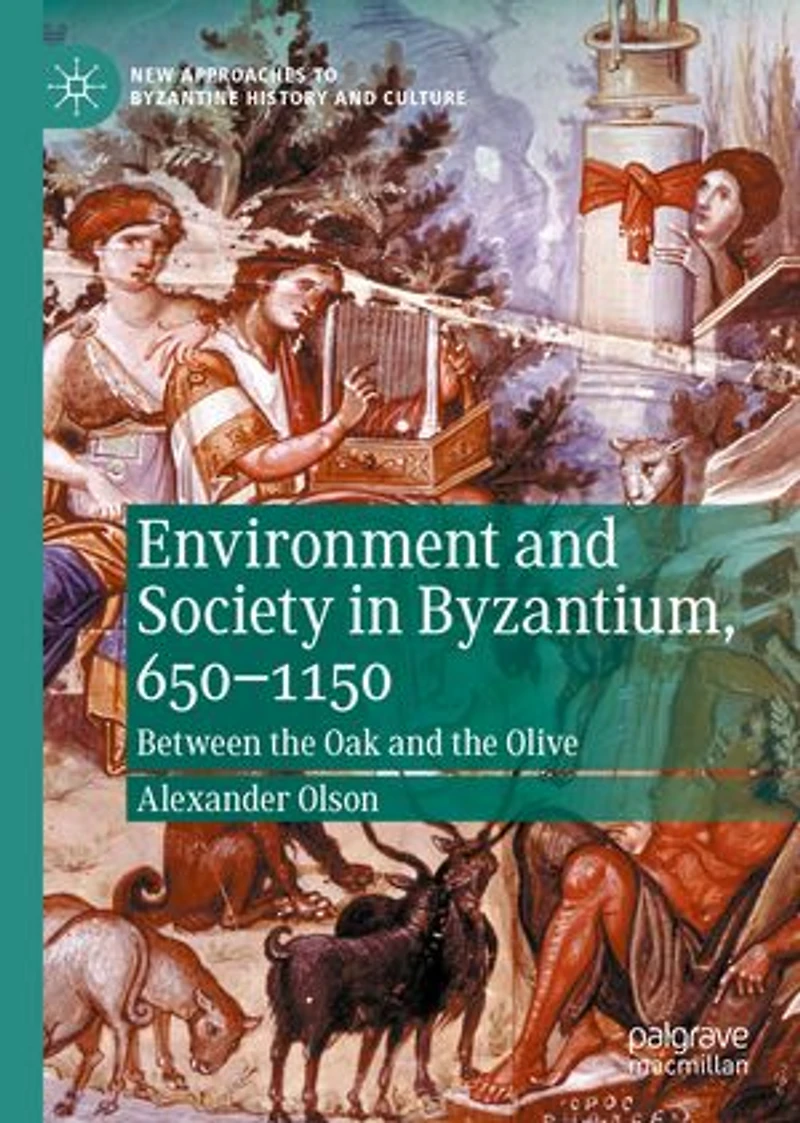
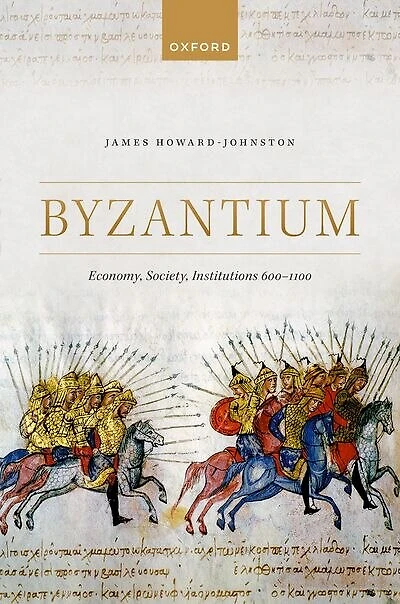
This book illuminates Byzantines' relationship with woodland between the seventh and twelfth centuries. Using the oak and the olive as objects of study, this work explores shifting economic strategies, environmental change, and the transformation of material culture throughout the middle Byzantine period. Drawing from texts, environmental data, and archaeological surveys, this book demonstrates that woodland's makeup was altered after Byzantium's seventh-century metamorphosis, and that people interacted in new ways with this re-worked ecology. Oak obtained prominence after late antiquity, illustrating the shift from that earlier era's intensive agriculture to a more sylvan middle Byzantine economy. Meanwhile, the olive faded into the background, re-emerging in the eleventh and twelfth centuries thanks to the initiative of people adapting yet again to newly changed political and economic circumstances. This book therefore shows that Byzantines' relationship with their ecology was far from static, and that Byzantines' decisions had environmental impacts.
This book illuminates Byzantines' relationship with woodland between the seventh and twelfth centuries. Using the oak and the olive as objects of study, this work explores shifting economic strategies, environmental change, and the transformation of material culture throughout the middle Byzantine period. Drawing from texts, environmental data, and archaeological surveys, this book demonstrates that woodland's makeup was altered after Byzantium's seventh-century metamorphosis, and that people interacted in new ways with this re-worked ecology. Oak obtained prominence after late antiquity, illustrating the shift from that earlier era's intensive agriculture to a more sylvan middle Byzantine economy. Meanwhile, the olive faded into the background, re-emerging in the eleventh and twelfth centuries thanks to the initiative of people adapting yet again to newly changed political and economic circumstances. This book therefore shows that Byzantines' relationship with their ecology was far from static, and that Byzantines' decisions had environmental impacts.









More About Coles at Bayshore Shopping Centre
Coles is renowned for its outstanding customer service and great selection of books. Along with the vast array of magazines, stationary, audio-books, children's literature, fiction, non-fiction and reference books, you can find accessories to make your reading experience more pleasurable. We can recommend the very best in reading today. We will help you search our titles for exactly what you need, and if we do not have it in stock, we will order it for you.
100 Bayshore Dr, Nepean, ON K2B 8C1, Canada
Find Coles at Bayshore Shopping Centre in Ottawa, ON
Visit Coles at Bayshore Shopping Centre in Ottawa, ON