

Give the Gift of Choice!
Too many options? Treat your friends and family to their favourite stores with a Bayshore Shopping Centre gift card, redeemable at participating retailers throughout the centre. Click below to purchase yours today!Purchase HereHome
Environmental And Resources Geochemistry Of Earth System: Mass Transfer Mechanism, Geochemical Cycle The Influence Human Activity
Coles
Loading Inventory...
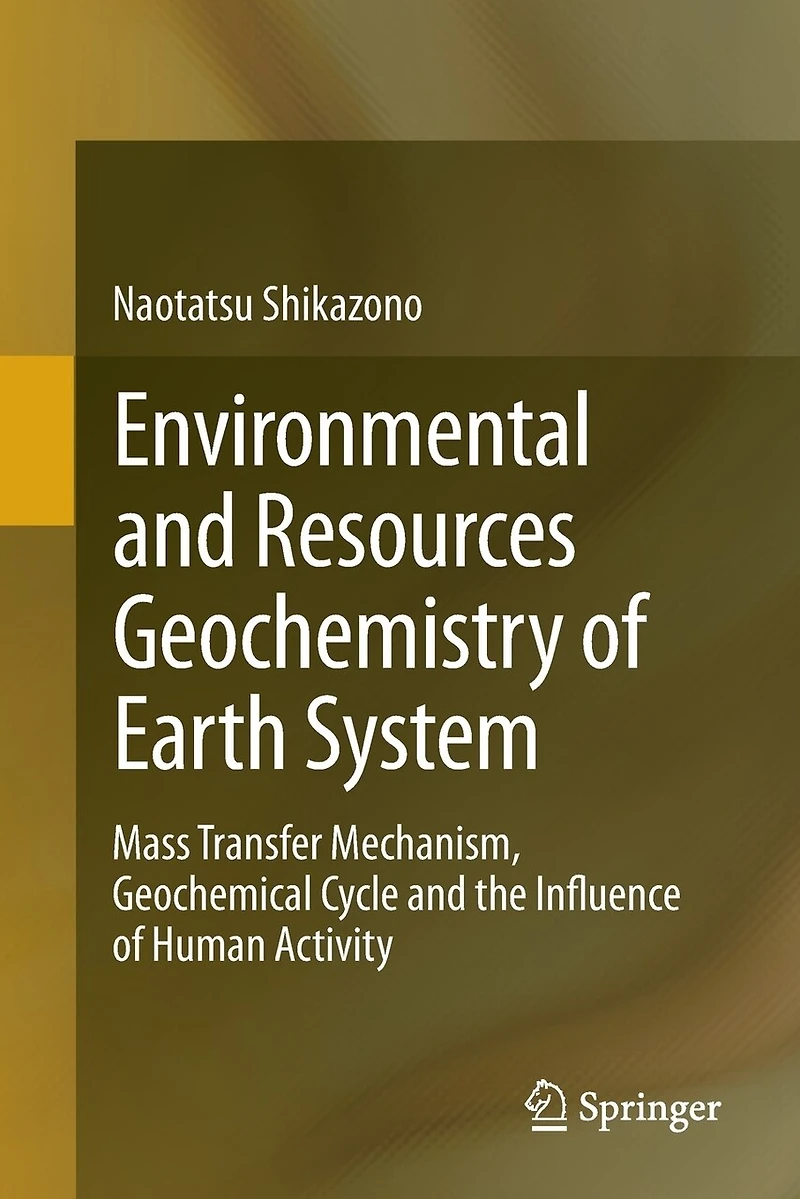
Environmental And Resources Geochemistry Of Earth System: Mass Transfer Mechanism, Geochemical Cycle The Influence Human Activity in Ottawa, ON
Current price: $80.50

Environmental And Resources Geochemistry Of Earth System: Mass Transfer Mechanism, Geochemical Cycle The Influence Human Activity in Ottawa, ON
Current price: $80.50
Loading Inventory...
Size: Paperback
*Product information may vary - to confirm product availability, pricing, shipping and return information please contact Coles
The Earth system consists of subsystems that include the atmosphere, hydrosphere (water), geosphere (rocks, minerals), biosphere, and humans. In order to understand these subsystems and their interactions, it is essential to clarify the mass transfer mechanism, geochemical cycle, and influence of human activity on the natural environment. This book presents fundamental theories (thermodynamics, kinetics, mass balance model, coupling models such as the kinetics-fluid flow model, the box model, and others) concerning mechanisms in weathering, formation of hydrothermal ore deposits, hydrothermal alteration, formation of groundwater quality, and the seawater system. The interaction between fluids (atmosphere, water) and solid phases (rocks, minerals) occurs both in low-temperature and also in high-temperature systems. This book considers the complex low-temperature cycle with the high-temperature cycle, a combination that has not been dealt with in previous books concerning Earth systems. Humanity is a small part of the biosphere; however, human activities greatly influence Earth's surface environments (atmosphere, hydrosphere, biosphere, soils, rocks). Thus, the influences of humans on other subsystems, particularly mass transfer in the deep underground geologic environment composed of host rocks and groundwater, are discussed in relation to high-level nuclear waste geologic disposal and CO 2 underground sequestration-topics that have not been included in other books on environmental science.
The Earth system consists of subsystems that include the atmosphere, hydrosphere (water), geosphere (rocks, minerals), biosphere, and humans. In order to understand these subsystems and their interactions, it is essential to clarify the mass transfer mechanism, geochemical cycle, and influence of human activity on the natural environment. This book presents fundamental theories (thermodynamics, kinetics, mass balance model, coupling models such as the kinetics-fluid flow model, the box model, and others) concerning mechanisms in weathering, formation of hydrothermal ore deposits, hydrothermal alteration, formation of groundwater quality, and the seawater system. The interaction between fluids (atmosphere, water) and solid phases (rocks, minerals) occurs both in low-temperature and also in high-temperature systems. This book considers the complex low-temperature cycle with the high-temperature cycle, a combination that has not been dealt with in previous books concerning Earth systems. Humanity is a small part of the biosphere; however, human activities greatly influence Earth's surface environments (atmosphere, hydrosphere, biosphere, soils, rocks). Thus, the influences of humans on other subsystems, particularly mass transfer in the deep underground geologic environment composed of host rocks and groundwater, are discussed in relation to high-level nuclear waste geologic disposal and CO 2 underground sequestration-topics that have not been included in other books on environmental science.
You May Also Like













More About Coles at Bayshore Shopping Centre
Coles is renowned for its outstanding customer service and great selection of books. Along with the vast array of magazines, stationary, audio-books, children's literature, fiction, non-fiction and reference books, you can find accessories to make your reading experience more pleasurable. We can recommend the very best in reading today. We will help you search our titles for exactly what you need, and if we do not have it in stock, we will order it for you.
100 Bayshore Dr, Nepean, ON K2B 8C1, Canada
Find Coles at Bayshore Shopping Centre in Ottawa, ON
Visit Coles at Bayshore Shopping Centre in Ottawa, ON