

Give the Gift of Choice!
Too many options? Treat your friends and family to their favourite stores with a Bayshore Shopping Centre gift card, redeemable at participating retailers throughout the centre. Click below to purchase yours today!Purchase HereHome
Epigraphs the English Novel 1750–1850: Seducing Reader
Coles
Loading Inventory...
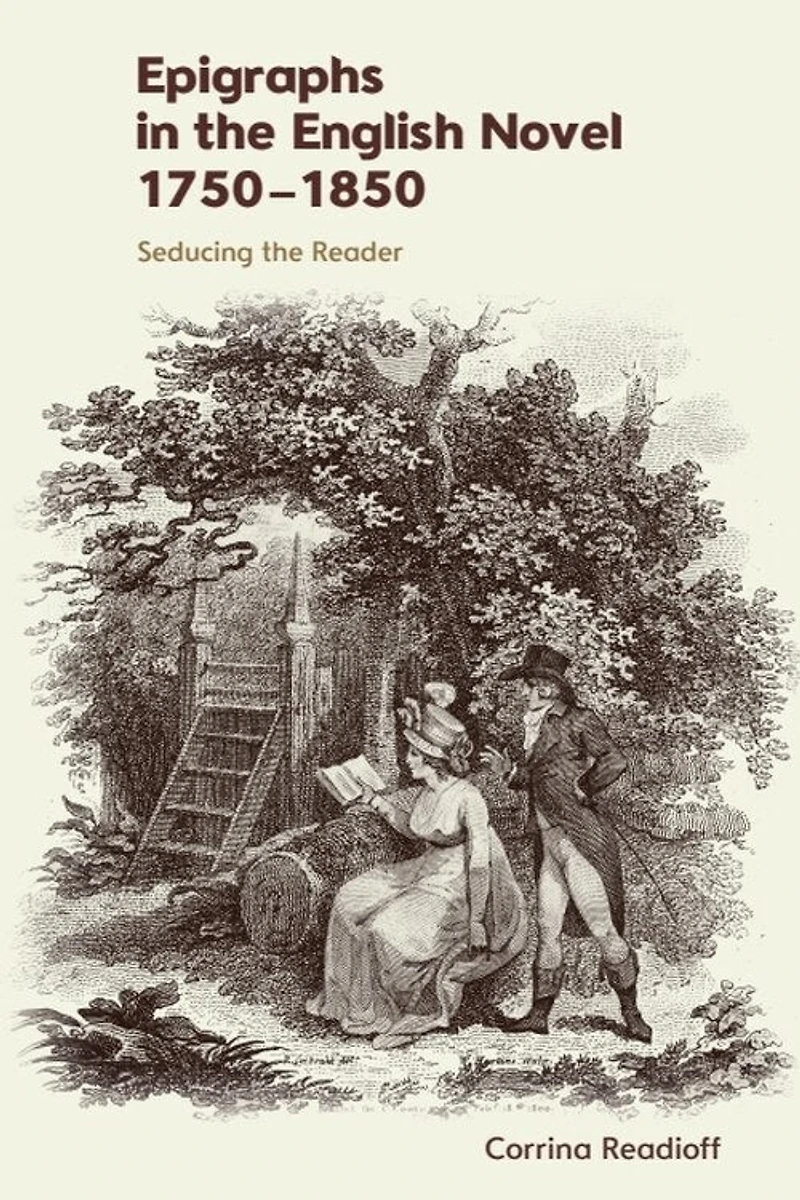
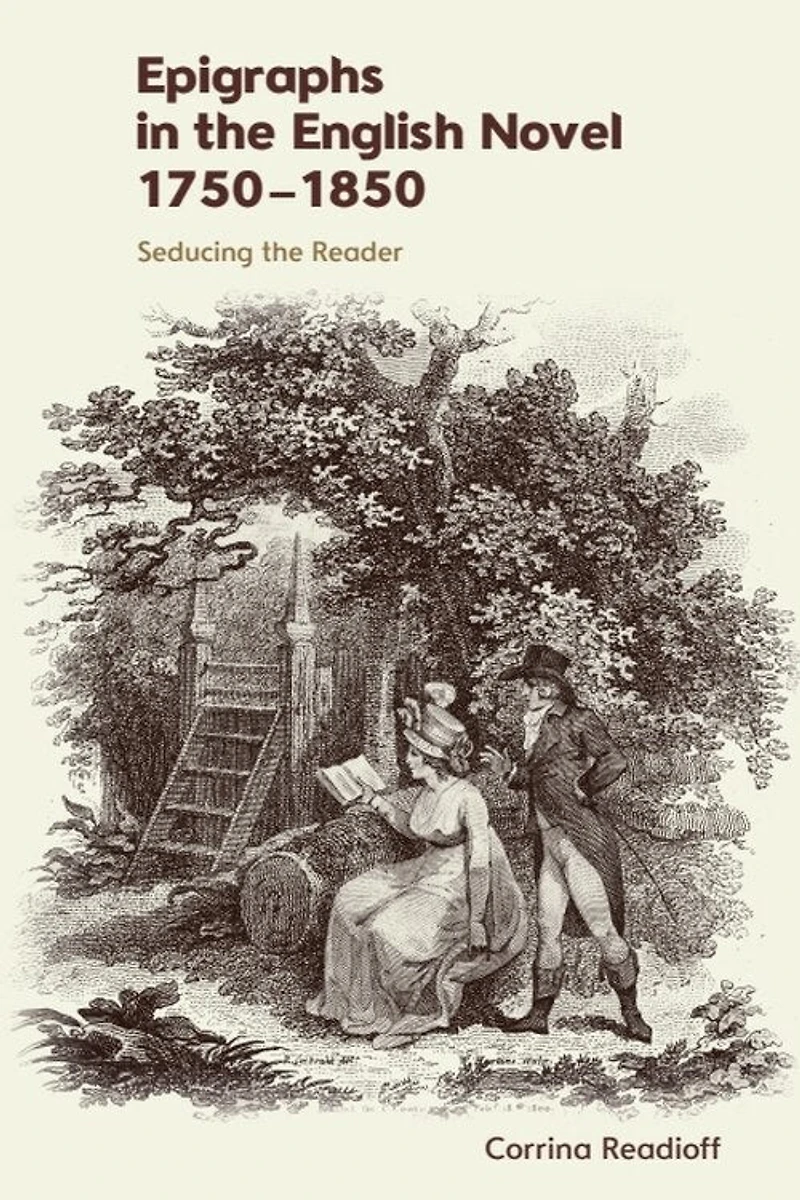
Epigraphs the English Novel 1750–1850: Seducing Reader in Ottawa, ON
By None
Current price: $157.78

By None
Epigraphs the English Novel 1750–1850: Seducing Reader in Ottawa, ON
Current price: $157.78
Loading Inventory...
Size: Hardcover
*Product information may vary - to confirm product availability, pricing, shipping and return information please contact Coles
Seducing the Reader uncovers the early history of the epigraph, narrating the surprising story of how this long-overlooked feature morphed from moral didactic heading to Gothic tag-line to witty realist commentary within a single century. Adorning fictional narratives of rakes and sex workers, oppressed heroines and Jacobite heroes, the epigraph has been used by authors to preach, teach, amuse, or even completely misdirect their readers. Supported by a survey of pre-chapter paratext in nearly 6000 novels from 1750 to 1850, this monograph explores the changing influences upon and functions of epigraphs over time via detailed close readings and literary criticism. Focusing upon key generic developments, this book adopts a case-study style format to examine epigraphic usage in the works of canonical authors including Sarah Fielding, Ann Radcliffe, Charlotte Smith, Walter Scott, and Elizabeth Gaskell alongside those of less well-known novelists such as William Chaigneau, Elizabeth Helme, and Catherine Gore.
Seducing the Reader uncovers the early history of the epigraph, narrating the surprising story of how this long-overlooked feature morphed from moral didactic heading to Gothic tag-line to witty realist commentary within a single century. Adorning fictional narratives of rakes and sex workers, oppressed heroines and Jacobite heroes, the epigraph has been used by authors to preach, teach, amuse, or even completely misdirect their readers. Supported by a survey of pre-chapter paratext in nearly 6000 novels from 1750 to 1850, this monograph explores the changing influences upon and functions of epigraphs over time via detailed close readings and literary criticism. Focusing upon key generic developments, this book adopts a case-study style format to examine epigraphic usage in the works of canonical authors including Sarah Fielding, Ann Radcliffe, Charlotte Smith, Walter Scott, and Elizabeth Gaskell alongside those of less well-known novelists such as William Chaigneau, Elizabeth Helme, and Catherine Gore.
You May Also Like










More About Coles at Bayshore Shopping Centre
Coles is renowned for its outstanding customer service and great selection of books. Along with the vast array of magazines, stationary, audio-books, children's literature, fiction, non-fiction and reference books, you can find accessories to make your reading experience more pleasurable. We can recommend the very best in reading today. We will help you search our titles for exactly what you need, and if we do not have it in stock, we will order it for you.
100 Bayshore Dr, Nepean, ON K2B 8C1, Canada
Find Coles at Bayshore Shopping Centre in Ottawa, ON
Visit Coles at Bayshore Shopping Centre in Ottawa, ON