

Give the Gift of Choice!
Too many options? Treat your friends and family to their favourite stores with a Bayshore Shopping Centre gift card, redeemable at participating retailers throughout the centre. Click below to purchase yours today!Purchase HereHome
Epistemic Colonialism and the Transfer of Curriculum Knowledge across Borders: Applying a Historical Lens to Contest Unilateral Logics
Coles
Loading Inventory...
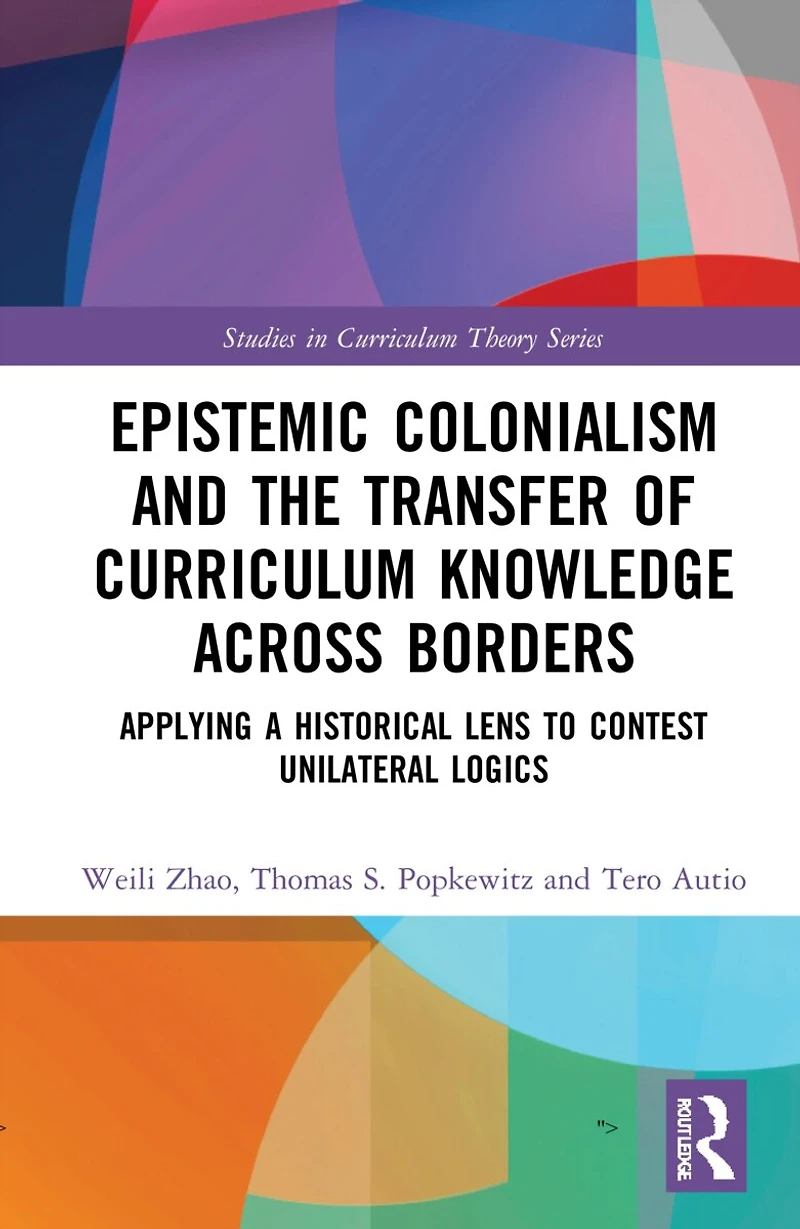
Epistemic Colonialism and the Transfer of Curriculum Knowledge across Borders: Applying a Historical Lens to Contest Unilateral Logics in Ottawa, ON
Current price: $296.50

Epistemic Colonialism and the Transfer of Curriculum Knowledge across Borders: Applying a Historical Lens to Contest Unilateral Logics in Ottawa, ON
Current price: $296.50
Loading Inventory...
Size: Hardcover
*Product information may vary - to confirm product availability, pricing, shipping and return information please contact Coles
This volume uncovers the colonial epistemologies that have long dominated the transfer of curriculum knowledge within and across nation-states and demonstrates how a historical approach to uncovering epistemological colonialism can inform an alternative, relational mode of knowledge transfer and negotiation within curriculum studies research and praxis. World leaders in the field of curriculum studies adopt a historical lens to map the negotiation, transfer, and confrontation of varied forms of cultural knowledge in curriculum studies and schooling. In doing so, they uniquely contextualize contemporary epistemes as historically embedded and politically produced and contest the unilateral logics of reason and thought which continue to dominate modern curriculum studies. Contesting the doxa of comparative reason, the politics of knowledge and identity, the making of twenty-first century educational subjects, and multiculturalism, this volume offers a relational onto-epistemic network as an alternative means to dissect and overcome epistemological colonialism. This text will benefit researchers, academics, and educators with an interest in curriculum studies as well as the study of international and comparative education. Those interested in post-colonial discourses and the philosophy of education will also benefit from the volume.
This volume uncovers the colonial epistemologies that have long dominated the transfer of curriculum knowledge within and across nation-states and demonstrates how a historical approach to uncovering epistemological colonialism can inform an alternative, relational mode of knowledge transfer and negotiation within curriculum studies research and praxis. World leaders in the field of curriculum studies adopt a historical lens to map the negotiation, transfer, and confrontation of varied forms of cultural knowledge in curriculum studies and schooling. In doing so, they uniquely contextualize contemporary epistemes as historically embedded and politically produced and contest the unilateral logics of reason and thought which continue to dominate modern curriculum studies. Contesting the doxa of comparative reason, the politics of knowledge and identity, the making of twenty-first century educational subjects, and multiculturalism, this volume offers a relational onto-epistemic network as an alternative means to dissect and overcome epistemological colonialism. This text will benefit researchers, academics, and educators with an interest in curriculum studies as well as the study of international and comparative education. Those interested in post-colonial discourses and the philosophy of education will also benefit from the volume.













More About Coles at Bayshore Shopping Centre
Coles is renowned for its outstanding customer service and great selection of books. Along with the vast array of magazines, stationary, audio-books, children's literature, fiction, non-fiction and reference books, you can find accessories to make your reading experience more pleasurable. We can recommend the very best in reading today. We will help you search our titles for exactly what you need, and if we do not have it in stock, we will order it for you.
100 Bayshore Dr, Nepean, ON K2B 8C1, Canada
Find Coles at Bayshore Shopping Centre in Ottawa, ON
Visit Coles at Bayshore Shopping Centre in Ottawa, ON