

Give the Gift of Choice!
Too many options? Treat your friends and family to their favourite stores with a Bayshore Shopping Centre gift card, redeemable at participating retailers throughout the centre. Click below to purchase yours today!Purchase HereHome
Epistemic Justice in Mental Healthcare: Recognising Agency and Promoting Virtues Across the Life Span
Coles
Loading Inventory...
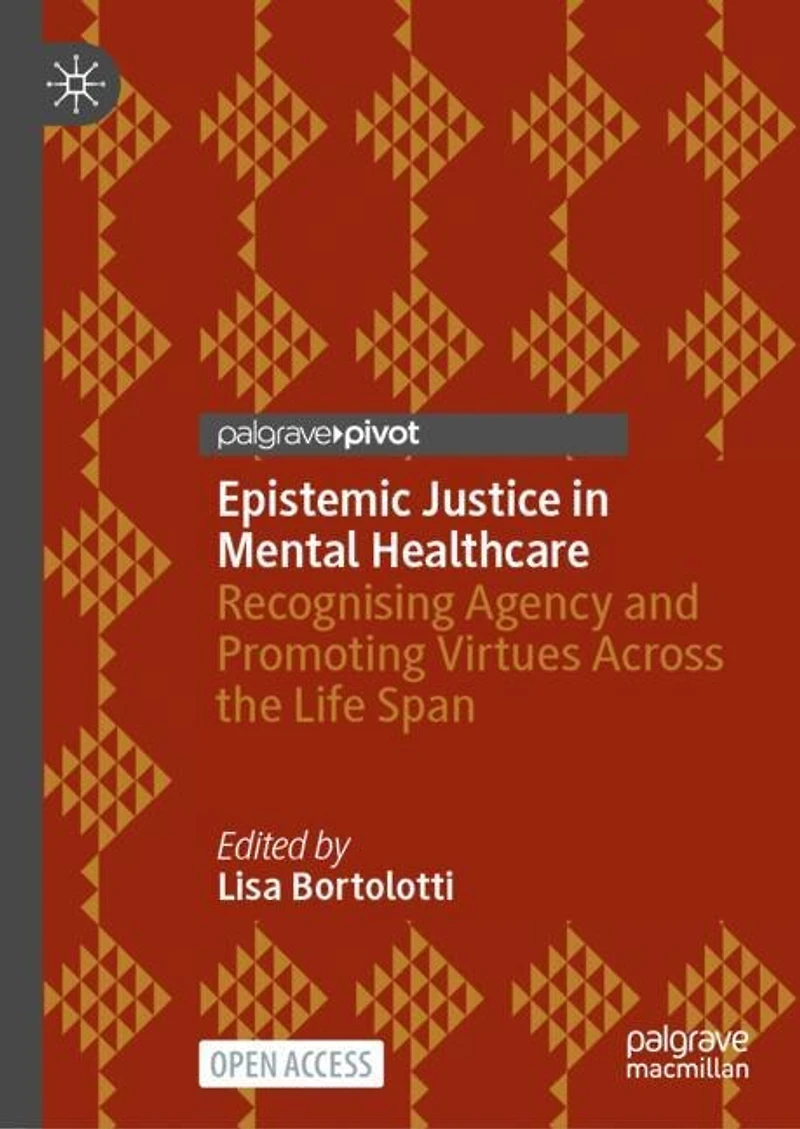
Epistemic Justice in Mental Healthcare: Recognising Agency and Promoting Virtues Across the Life Span in Ottawa, ON
Current price: $48.50

Epistemic Justice in Mental Healthcare: Recognising Agency and Promoting Virtues Across the Life Span in Ottawa, ON
Current price: $48.50
Loading Inventory...
Size: Hardcover
*Product information may vary - to confirm product availability, pricing, shipping and return information please contact Coles
This open access book explores epistemic justice in mental healthcare, bringing together perspectives from psychologists, psychiatrists, philosophers, activists, and lived experience researchers. Through eight chapters, authors identify threats to the agency of people who hear voices, experience depression, have psychotic symptoms, live with dementia, are diagnosed with personality disorders, and face serious mental health issues while receiving palliative care. Considering the power asymmetries in clinical interactions, where patients are vulnerable and healthcare professionals are uniquely placed to offer support, this book reaffirms the importance of recognizing patients as agents and collaborators. Topics covered include trust in the therapeutic relationship, dignity at the end of life, the social dimension of health, stigma in an acute ward, the harm caused by biases and stereotypes, the role of clinical communication, and the promise of digital health. Students, academic researchers, practitioners, as well as mental health charities will benefit from this timely collection.
This open access book explores epistemic justice in mental healthcare, bringing together perspectives from psychologists, psychiatrists, philosophers, activists, and lived experience researchers. Through eight chapters, authors identify threats to the agency of people who hear voices, experience depression, have psychotic symptoms, live with dementia, are diagnosed with personality disorders, and face serious mental health issues while receiving palliative care. Considering the power asymmetries in clinical interactions, where patients are vulnerable and healthcare professionals are uniquely placed to offer support, this book reaffirms the importance of recognizing patients as agents and collaborators. Topics covered include trust in the therapeutic relationship, dignity at the end of life, the social dimension of health, stigma in an acute ward, the harm caused by biases and stereotypes, the role of clinical communication, and the promise of digital health. Students, academic researchers, practitioners, as well as mental health charities will benefit from this timely collection.
You May Also Like













More About Coles at Bayshore Shopping Centre
Coles is renowned for its outstanding customer service and great selection of books. Along with the vast array of magazines, stationary, audio-books, children's literature, fiction, non-fiction and reference books, you can find accessories to make your reading experience more pleasurable. We can recommend the very best in reading today. We will help you search our titles for exactly what you need, and if we do not have it in stock, we will order it for you.
100 Bayshore Dr, Nepean, ON K2B 8C1, Canada
Find Coles at Bayshore Shopping Centre in Ottawa, ON
Visit Coles at Bayshore Shopping Centre in Ottawa, ON