

Give the Gift of Choice!
Too many options? Treat your friends and family to their favourite stores with a Bayshore Shopping Centre gift card, redeemable at participating retailers throughout the centre. Click below to purchase yours today!Purchase HereHome
Erasmus' Annotations on the New Testament: From Philologist to Theologian
Coles
Loading Inventory...
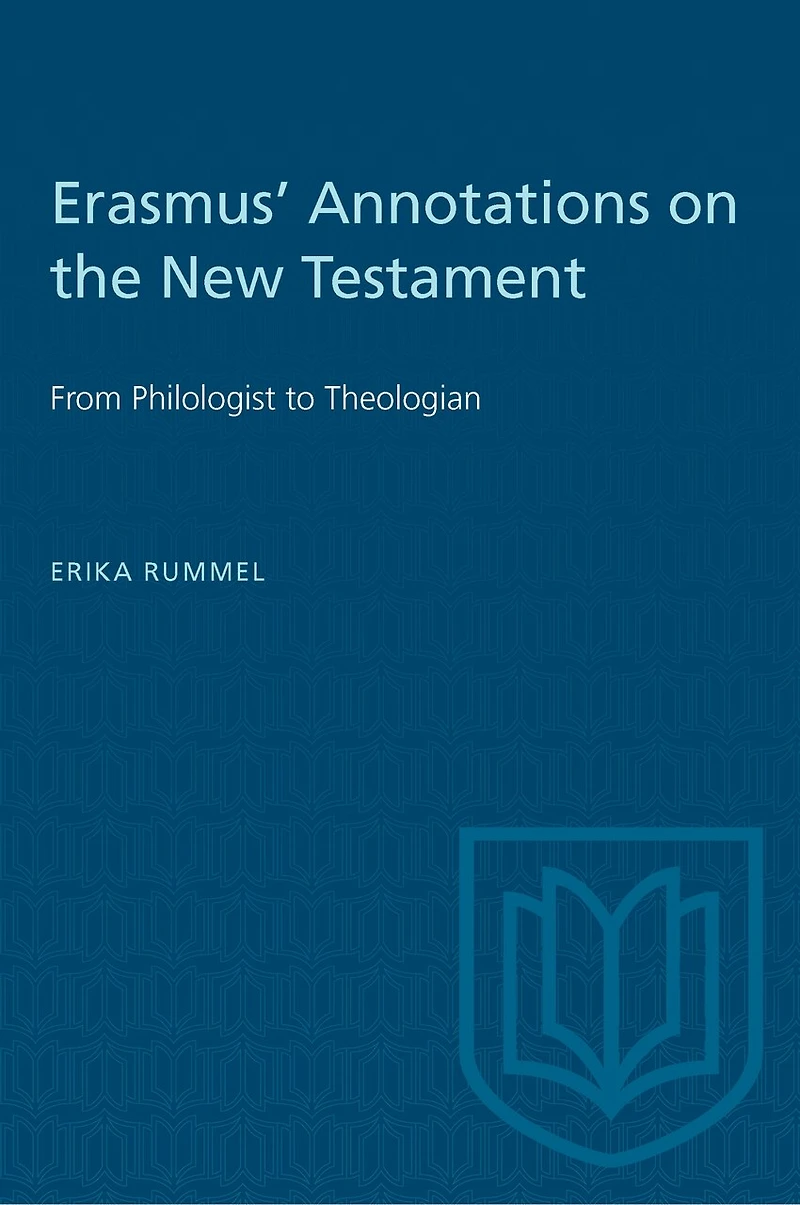
Erasmus' Annotations on the New Testament: From Philologist to Theologian in Ottawa, ON
Current price: $45.89

Erasmus' Annotations on the New Testament: From Philologist to Theologian in Ottawa, ON
Current price: $45.89
Loading Inventory...
Size: Paperback
*Product information may vary - to confirm product availability, pricing, shipping and return information please contact Coles
Without the notes, Erasmus said, the texts of the Scripture were 'naked and defenceless,' open to criticism by uncomprehending readers and corruption by careless printers. The Annotations represent not only Erasmus' defence of the New Testament against such abuss, but also a reflection of his own philosophy, objectives, and working methods. In establishing the text and defending it against his opponents, Erasmus drew on manuscript sources, classical literature, patristic writings, scholastic exegesis, and the work of his immediate forerunners, Valla and Lefevre. He did not hesitate to point out the errors of illustrious writers like Jerome and established medieval authorities like Peter Lombard. In general he was appreciative of the early church Fathers and contemptuous of medieval commentators. As well as discussing the contents and aims of the Annotations , Erika Rummel investigates Erasmus' development from philologist to theologian and traces the prepublication history of the New Testament. She examines the critical reaction of conservative theologians to Erasmus' work and his replies, incorporated in later editions of the Annotations . The book ends by suggesting a wider field of research: the relationship between the Annotations and the corpus of Erasmian apologetic works.
Without the notes, Erasmus said, the texts of the Scripture were 'naked and defenceless,' open to criticism by uncomprehending readers and corruption by careless printers. The Annotations represent not only Erasmus' defence of the New Testament against such abuss, but also a reflection of his own philosophy, objectives, and working methods. In establishing the text and defending it against his opponents, Erasmus drew on manuscript sources, classical literature, patristic writings, scholastic exegesis, and the work of his immediate forerunners, Valla and Lefevre. He did not hesitate to point out the errors of illustrious writers like Jerome and established medieval authorities like Peter Lombard. In general he was appreciative of the early church Fathers and contemptuous of medieval commentators. As well as discussing the contents and aims of the Annotations , Erika Rummel investigates Erasmus' development from philologist to theologian and traces the prepublication history of the New Testament. She examines the critical reaction of conservative theologians to Erasmus' work and his replies, incorporated in later editions of the Annotations . The book ends by suggesting a wider field of research: the relationship between the Annotations and the corpus of Erasmian apologetic works.
You May Also Like










More About Coles at Bayshore Shopping Centre
Coles is renowned for its outstanding customer service and great selection of books. Along with the vast array of magazines, stationary, audio-books, children's literature, fiction, non-fiction and reference books, you can find accessories to make your reading experience more pleasurable. We can recommend the very best in reading today. We will help you search our titles for exactly what you need, and if we do not have it in stock, we will order it for you.
100 Bayshore Dr, Nepean, ON K2B 8C1, Canada
Find Coles at Bayshore Shopping Centre in Ottawa, ON
Visit Coles at Bayshore Shopping Centre in Ottawa, ON